South America · 25 Places · Best February-April, August-November
Suriname
Suriname is a hidden gem in South America, offering pristine rainforests, diverse wildlife, and a unique multicultural heritage blending Dutch colonial architecture with Caribbean, Javanese, Hindustani, and indigenous cultures. From the UNESCO-listed capital Paramaribo to untouched jungle adventures, this small nation delivers authentic experiences far from mass tourism.
Suriname is a hidden gem in South America, offering pristine rainforests, diverse wildlife, and a unique multicultural heritage blending Dutch colonial architecture with Caribbean, Javanese, Hindustani, and indigenous cultures. From the UNESCO-listed capital Paramaribo to untouched jungle adventures, this small nation delivers authentic experiences far from mass tourism.
The 25 destinations our editors recommend — from iconic landmarks to under-the-radar finds.
Fort Zeelandia
Dating back to 1640, Fort Zeelandia is one of Paramaribo's oldest buildings and most significant historical landmarks. This pentagonal fort now houses the Suriname Museum, featuring exhibits on the country's colonial history, indigenous cultures, and the legacy of slavery. The fort's strategic position along the Suriname River offers excellent views.
St. Petrus en Paulus Cathedral
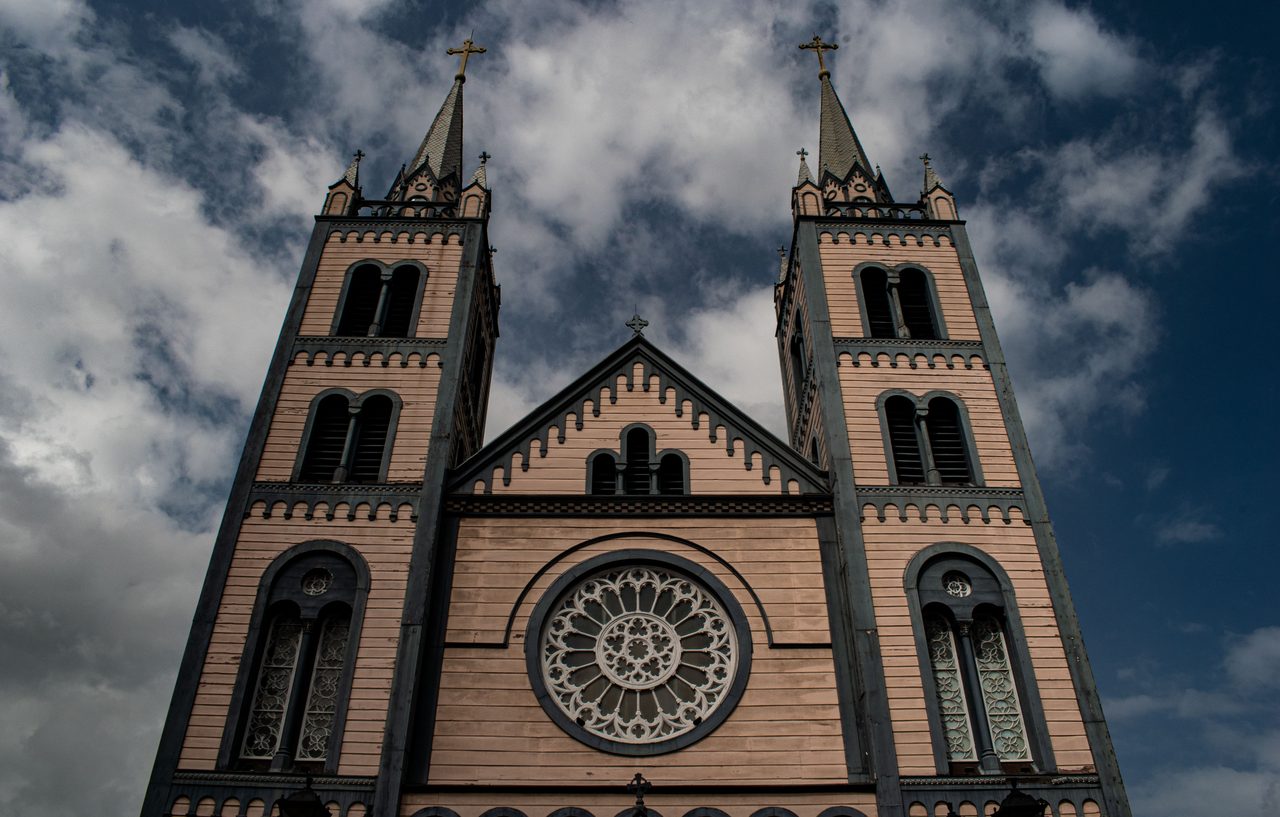
The largest wooden structure in the Western Hemisphere, this stunning Roman Catholic cathedral was completed in 1885. Built entirely without nails using intricate carpentry, it features beautiful cedar interiors, three resounding bells, and serves as a tribute to Dutch-Surinamese priest Peter Donders who tended to lepers.
Presidential Palace
This magnificent example of Dutch colonial architecture was built in the 18th century and remains the president's official residence. Part of Paramaribo's UNESCO World Heritage inner city, the white palace features elegant columns and is beautifully lit at night. Located across from Independence Square, it's a symbol of Surinamese governance.
Central Suriname Nature Reserve
This 1.6 million hectare UNESCO World Heritage Site protects pristine tropical rainforest in the heart of Suriname. Home to jaguars, giant river otters, harpy eagles, and eight primate species, it represents one of the largest protected areas of tropical rainforest in the world. Multi-day expeditions offer unparalleled wildlife viewing and jungle trekking.
Palmentuin (Garden of Palms)
This tranquil urban oasis in the heart of Paramaribo features towering royal palm trees creating a shaded canopy overhead. Home to a troop of playful capuchin monkeys and various tropical birds, it's a favorite spot for locals and visitors to relax. The garden's peaceful atmosphere provides welcome respite from the bustling city.
Neveh Shalom Synagogue
Built in 1723, this beautiful synagogue is one of the oldest in the Western Hemisphere and sits remarkably next door to a mosque on Keizerstraat, symbolizing Suriname's religious tolerance. The interior features white sand floors (a tradition from Portuguese Jewish communities) to keep the building cool and absorb sound during services.
Recommended itineraries
Pick a length, follow the route. Each itinerary balances headline sights with breathing room.
5-Day Suriname Explorer
Day 1Arrive in Suriname, explore city center
Day 2Visit top attractions and museums
Day 3Day trip to nearby highlights
Day 4Local markets and hidden gems
Day 5Final sightseeing, departure
7-Day Classic Suriname
Days 1-2Suriname city highlights
Days 3-4Regional exploration
Days 5-6Cultural immersion and local experiences
Day 7Return and departure
14-Day Ultimate Suriname
Days 1-3Suriname comprehensive city tour
Days 4-6Northern region exploration
Days 7-9Eastern highlights
Days 10-12Southern attractions
Days 13-14Return to Suriname, departure
Where to stay in Suriname
Three tiers, every traveller covered — from cost-conscious to flagship hotels.
Budget $40-55
Hostels, budget hotels, and guesthouses offer affordable stays without sacrificing experience.
Mid-range $100-140
Boutique hotels and well-located accommodations provide comfort and convenience at reasonable prices.
Luxury $200-350+
World-class resorts and premium hotels deliver unforgettable experiences.
Royal Torarica Hotel
Paramaribo · $140-200
Paramaribo's premier luxury hotel features elegant rooms, a stunning riverside pool, casino, and multiple dining options. Located along the Suriname River, it offers world-class service, spa facilities, and serves as the city's social hub for upscale events and business meetings.
A well-appointed mid-range hotel offering excellent value with clean, modern rooms and professional service. Popular with business travelers, it features a good restaurant, pool, and central location. The staff is known for being helpful with tour arrangements and local recommendations.
Popular backpacker favorite offering clean dorms and private rooms at unbeatable prices. The friendly atmosphere encourages socializing, and the knowledgeable owners provide excellent local tips and tour information. Shared kitchen, common area, and free coffee make it a great base for budget travelers.
This international chain hotel brings Marriott standards to Suriname with modern rooms, excellent amenities, and reliable service. Popular with business travelers, it features contemporary design, a rooftop pool, fitness center, and is centrally located near major attractions and shopping.
Cafés, neighbourhood gems, and tasting menus worth the table reservation.
De Gadri
International Fusion · $$$
Paramaribo's most upscale dining experience offering innovative fusion cuisine in an elegant colonial setting. The menu changes seasonally, featuring fresh local ingredients prepared with international techniques. Excellent wine list and impeccable service make this the choice for special occasions.
Roopram Roti
Hindustani · $$
Legendary roti restaurant serving what many consider the best roti in Suriname. The flaky, buttery bread pairs perfectly with aromatic curries featuring chicken, duck, potato, and vegetables. Always busy with locals, which speaks to the authentic quality and generous portions.
Tori Oso
Surinamese-Chinese · $
Casual eatery popular with locals for its fusion of Chinese and Surinamese flavors. Quick service, large portions, and rock-bottom prices make this perfect for budget travelers. The chicken fried rice with Surinamese spices is a must-try.
Bakra Bita Stand
Surinamese Street Food · $
Popular late-night street food stand famous for bakra bita (grilled goat) and other Creole specialties. Located near the Palmentuin, it comes alive after 10 PM. The smoky grilled meats and spicy sauces are perfect after a night out.
Garden of Eden
Cafe & Bakery · $
Charming garden cafe serving excellent coffee, fresh pastries, and light meals. The lush tropical garden setting provides a peaceful escape from the city. Popular for breakfast and weekend brunch with both locals and expats.
Baka Foto
Contemporary Surinamese · $$$
Sophisticated take on traditional Surinamese cuisine in a beautifully restored colonial mansion. The chef elevates local classics with modern presentation and refined techniques while honoring authentic flavors. The garden terrace provides romantic ambiance for evening dining.
Getting around Suriname
Transportation options in Suriname include local buses, taxis, and rental cars. Check local conditions before planning your travel.
Budget breakdown
Daily spend by tier in USD, broken out by category.
Category
Budget
Mid-range
Luxury
Accommodation
$15-25 (hostel dorm or budget guesthouse)
$50-75 (mid-range hotel or nice guesthouse)
$120-200 (luxury hotel or eco-lodge)
Food (per day)
$12-18 (street food, cheap restaurants, some self-catering)
$25-35 (mix of local restaurants and nicer dining)
$50-80 (fine dining, hotel restaurants, upscale cafes)
Transportation
$3-5 (minibuses, walking, occasional taxi)
$10-15 (taxis, occasional rental car)
$20-40 (private taxis, rental 4WD, tour transportation)
Activities
$10-15 (free attractions, budget day trips, entrance fees)
$15-25 (paid attractions, some tours, museums)
$40-80 (private guides, premium tours, special experiences)
Daily total
$40-55
$100-140
$200-350+
Best time to visit Suriname
Weather through the year in Suriname
Best timeShoulderWorth avoiding
Average daytime temperature in °C. Figures are for Suriname.
Essential travel tips
Research visa requirements before your trip
Learn a few basic phrases in the local language
Carry cash as cards may not be accepted everywhere
Respect local customs and dress codes
Purchase travel insurance before departure
Hidden gems
Off-the-beaten-path corners most travellers miss.
Berg en Dal
Quiet riverside neighborhood in Paramaribo with beautiful colonial mansions, less touristy than the main historic district. Tree-lined streets perfect for peaceful walks, and several good local restaurants serve authentic food without tourist prices. Great for experiencing residential Paramaribo life.
White Beach (Matapica)
Pristine Atlantic coast beach far from tourist circuits, part of a nature reserve protecting sea turtle nesting sites. Miles of white sand, powerful surf, and almost no development. Requires 4WD and local knowledge to access, ensuring solitude. Sea turtle nesting season brings these ancient mariners ashore.
Kwa Kwa Cafe Ruins
Atmospheric ruins of a jungle cafe from the 1960s gold rush era, now reclaimed by rainforest. The crumbling building covered in vines and surrounded by jungle makes for haunting photography. Located near Brownsberg, it's a short detour few tourists know about.
Tonka Island
Tiny island in Brokopondo Reservoir offering complete tranquility and excellent bird watching. Basic camping facilities only. Accessible by boat, it provides off-grid escape into nature. Swimming, kayaking, and forest walks are main activities. Very few tourists discover this peaceful spot.
Raleighvallen-Voltzberg Nature Reserve
This remote reserve features the stunning Voltzberg granite dome rising 240m from pristine rainforest
Blanche Marie Falls
One of Suriname's most spectacular but least visited waterfalls due to remote location requiring multi-day jungle expedition
Awarradam Jungle Lodge
Remote riverside eco-lodge accessible only by small plane and boat, deep in indigenous territory
Kabalebo Nature Resort
Luxury jungle resort deep in western Suriname rainforest, far from standard tourist routes
Safety information
INFO
Avoid displaying expensive jewelry or large amounts of cash in public areas
INFO
Use licensed taxis or hotel taxi services, especially at night; negotiate fares before entering the vehicle
INFO
Road conditions deteriorate during rainy season; avoid night driving on unfamiliar roads outside Paramaribo
INFO
Use credit and debit cards cautiously due to identity theft concerns; cash is safer for local markets
INFO
Book established, reputable tour companies for interior jungle trips — unguided expeditions into remote areas are dangerous
INFO
Register with your embassy or consulate before traveling to remote interior regions of Suriname
INFO
Drink only bottled water and avoid ice in local establishments outside tourist-oriented venues
INFO
Take malaria prophylaxis if venturing into interior jungle areas; consult a travel medicine specialist 4-6 weeks before departure
INFO
Dress modestly when visiting religious sites — cover shoulders and knees; remove shoes at Hindu temples and mosques
INFO
Be alert to petty theft in busy areas like the Central Market and Waterkant; keep bags in front and phones in pockets
INFO
Carry a copy of your passport and visa documents at all times; keep originals secured in the hotel safe
INFO
Paramaribo is generally safe for walking in the historic district and Waterkant, but avoid poorly lit side streets after dark
Frequently asked questions
Is Suriname safe to visit in 2026?
Suriname is generally one of the safer destinations in South America, with Paramaribo's historic center and tourist areas presenting low to moderate risk for standard travel. The main concerns are petty theft in crowded areas, unlicensed taxis, and serious health risks (malaria, yellow fever) for those venturing into the interior jungle. Emergency services: police at 115, medical at 113.
What is the best time to visit Suriname?
The best time to visit Suriname is February-April, August-November. Suriname has a tropical rainforest climate with high heat and humidity year-round — temperatures stay between 26-32°C (79-90°F) throughout the year with no meaningful cool season. The country experien
Do I need a visa to visit Suriname?
No visa required for stays up to 90 days. Must pay online entry fee of USD 50 before arrival via Suriname E-Visa website. Passport must be valid for 6 months. Requirements vary by nationality, so check with your nearest embassy or the official immigration website before traveling.
What currency is used in Suriname?
The currency in Suriname is the Surinamese Dollar (SRD) (SRD). ATMs are widely available in cities and tourist areas. Credit cards are accepted at most hotels and restaurants, but carry cash for markets and smaller establishments.
What language is spoken in Suriname?
The main language(s) spoken in Suriname: Dutch (official), Sranan Tongo, English. In tourist areas, English is generally understood. Learning a few basic phrases in the local language is appreciated by locals.
What are the top attractions in Suriname?
The top attractions in Suriname include Fort Zeelandia, St. Petrus en Paulus Cathedral, Presidential Palace, Central Suriname Nature Reserve, and Palmentuin (Garden of Palms). Each offers a unique experience, from historic landmarks to natural wonders.