
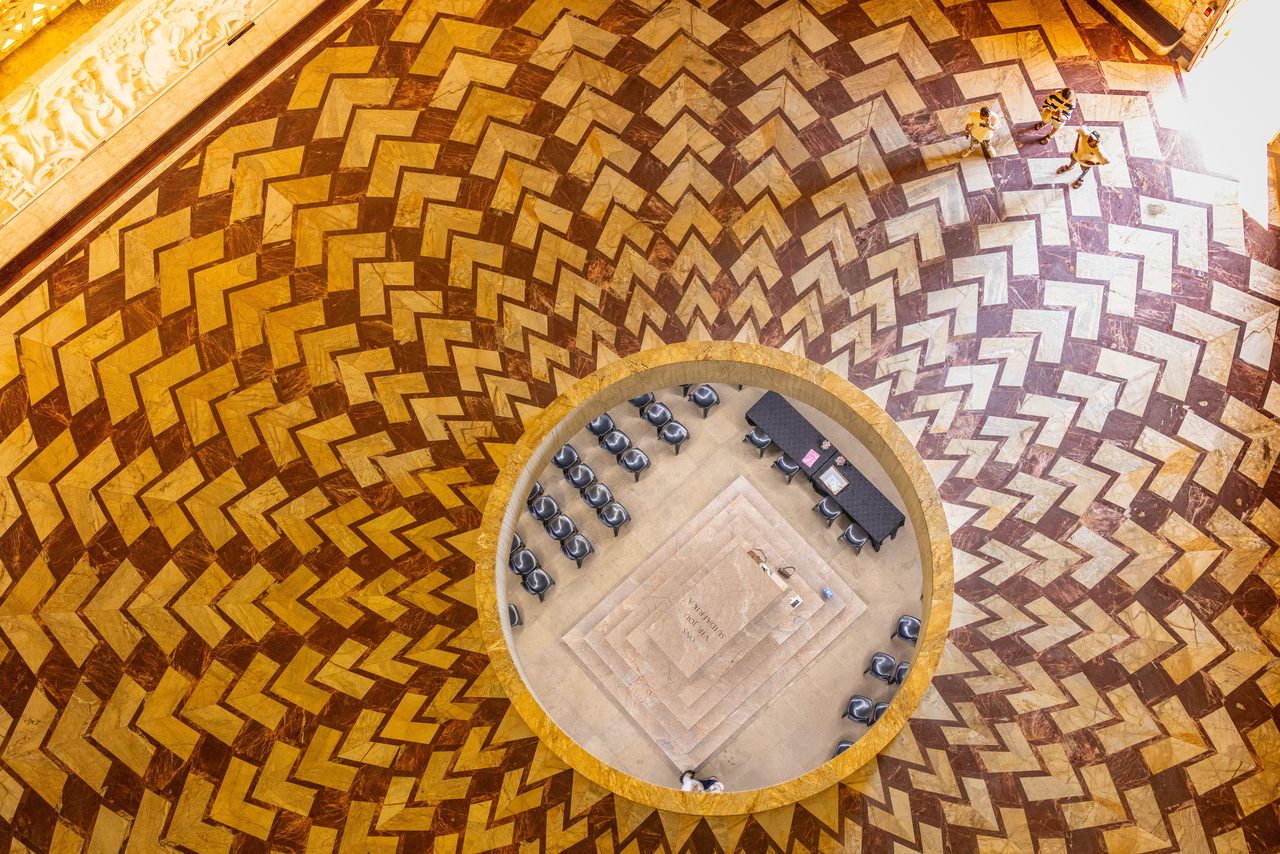
Apartheid Museum
South Africa's definitive museum of apartheid, with about 22 exhibition spaces tracing segregation, resistance and the 1994 transition. Entrance tickets randomly assign 'white' or 'non-white' gates.
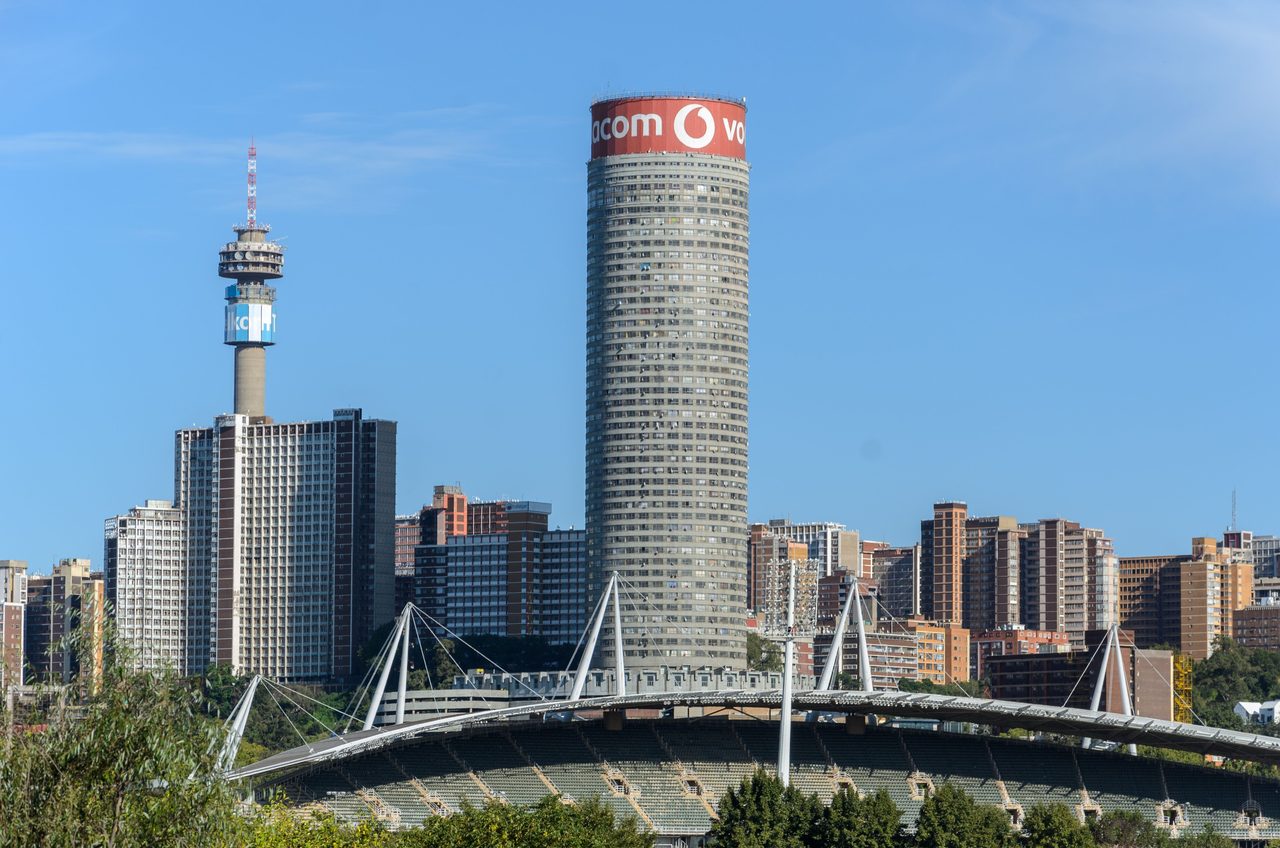
Gauteng · 12 Places · Best April-May and September-October
Johannesburg, known as Egoli or the City of Gold, combines apartheid history, street art, Soweto heritage and easy day trips to the Cradle of Humankind and Pretoria.
Johannesburg sits at about 1,753 m on the Highveld and grew from an 1886 gold-rush camp into South Africa's largest city. Visitors come for the Apartheid Museum and Constitution Hill, Soweto's Vilakazi Street, Maboneng's street art, Sandton and Rosebank dining, and day trips to the Cradle of Humankind, Pretoria and Pilanesberg. The city is spread out, so most visitors use Uber, Bolt and the Gautrain.
Jump straight to the experience you're planning.
The 12 destinations our editors recommend — from iconic landmarks to under-the-radar finds.
South Africa's definitive museum of apartheid, with about 22 exhibition spaces tracing segregation, resistance and the 1994 transition. Entrance tickets randomly assign 'white' or 'non-white' gates.
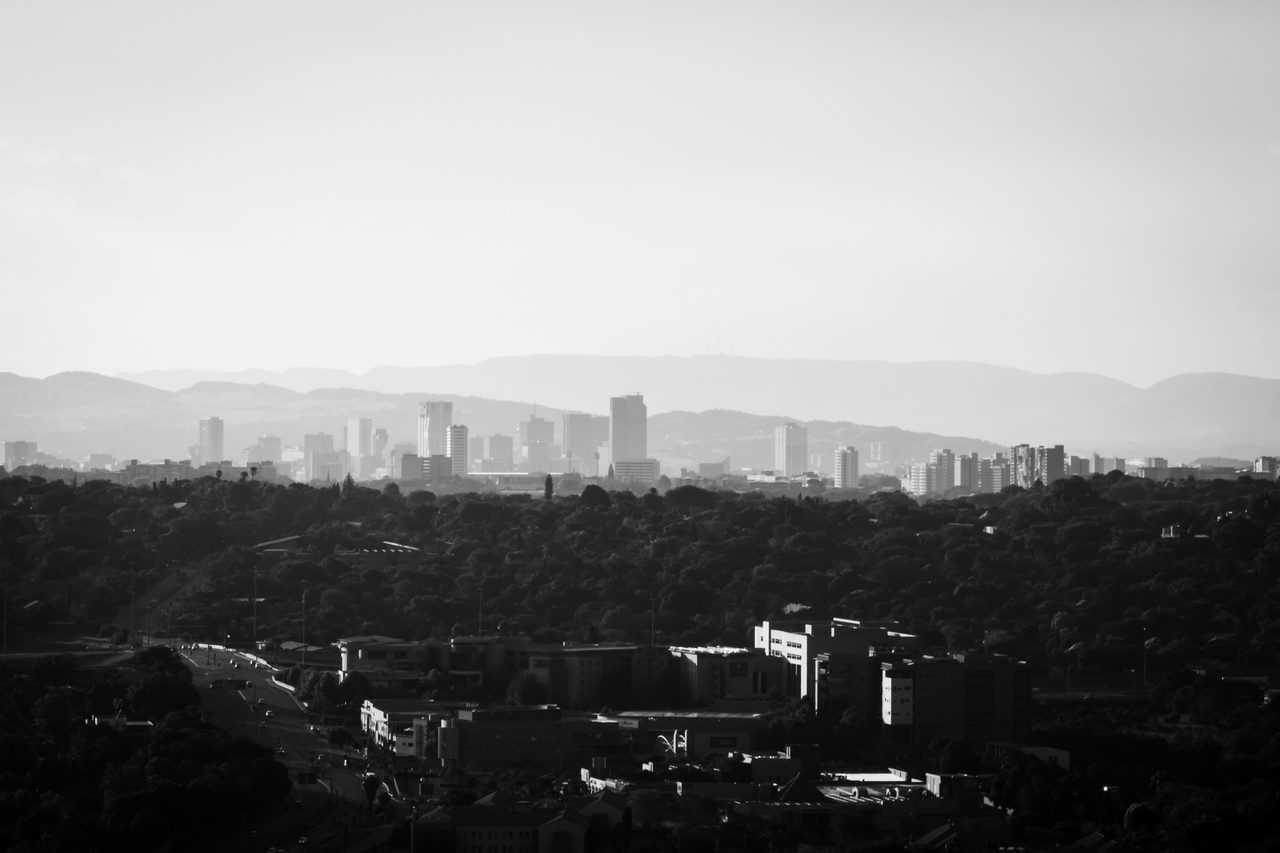
Former Old Fort prison complex where Gandhi and Mandela were held, now home to South Africa's Constitutional Court and a human-rights museum.
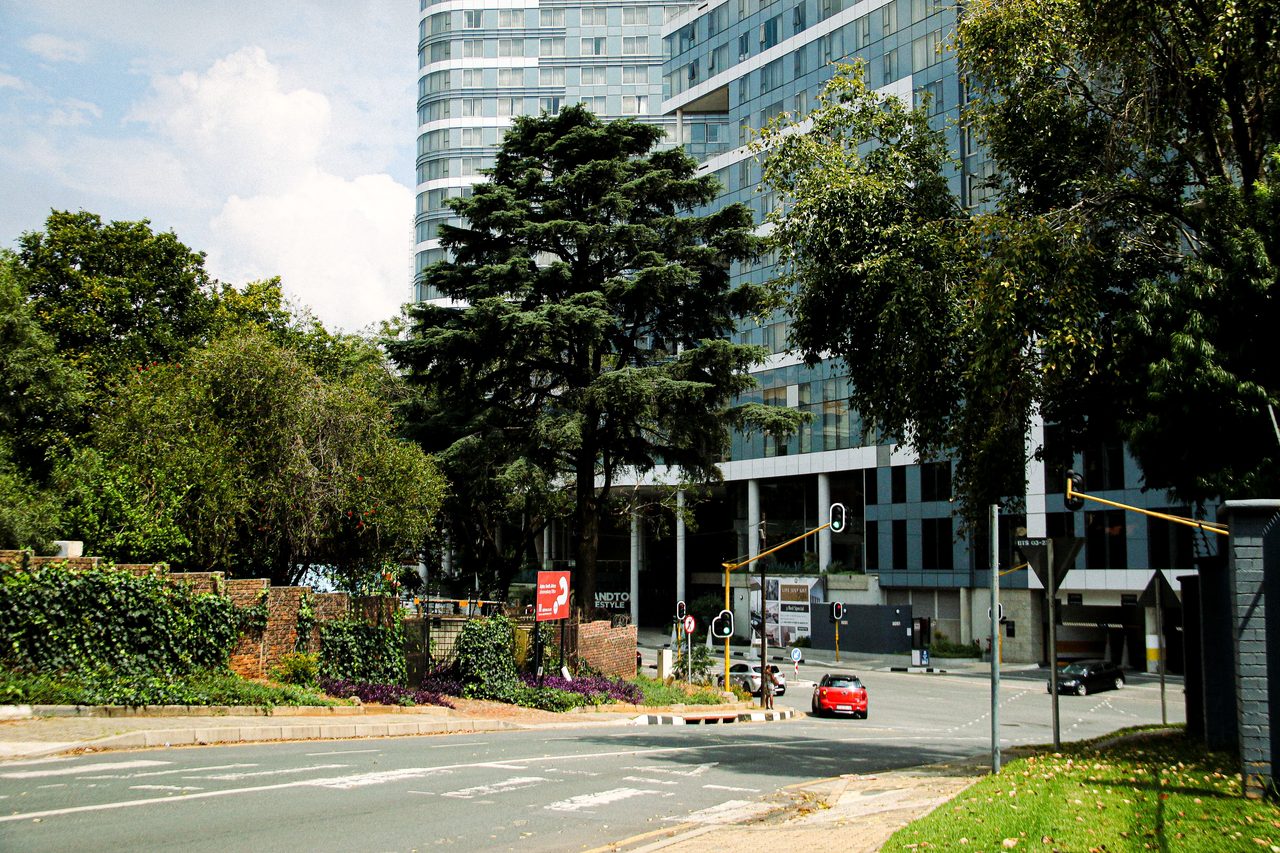
Regenerated inner-city precinct of galleries, street murals, rooftop bars and cafes centred on Arts on Main.
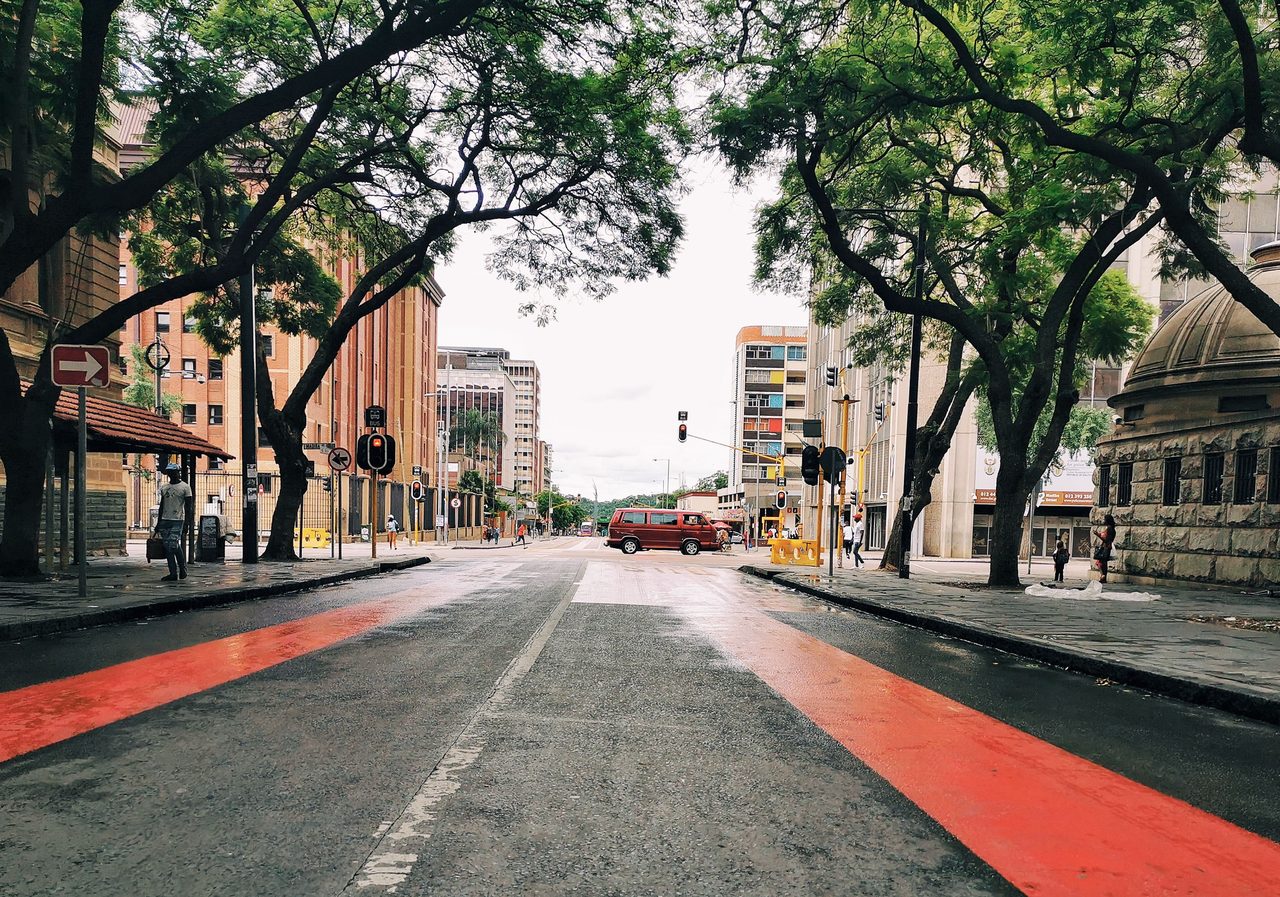
The only street in the world to have housed two Nobel Peace laureates, Nelson Mandela and Desmond Tutu, lined with cafes, craft stalls and music.
Museum and memorial to the 16 June 1976 Soweto Uprising, named for 13-year-old Hector Pieterson, killed that day.
The square where the Freedom Charter was adopted in 1955, with a memorial of twelve pillars and a small museum.
Pick a length, follow the route. Each itinerary balances headline sights with breathing room.
Three tiers, every traveller covered — from cost-conscious to flagship hotels.
Hostels, budget hotels, and guesthouses offer affordable stays without sacrificing experience.
Boutique hotels and well-located accommodations provide comfort and convenience at reasonable prices.
World-class resorts and premium hotels deliver unforgettable experiences.
Five-star boutique hotel in Sandhurst where Nelson Mandela finished writing Long Walk to Freedom.
Check rates on Booking.comTerraced hillside hotel overlooking Johannesburg's northern suburbs and the zoo.
Check rates on Booking.comIntimate 31-room luxury hotel in a restored 1930s mansion in Rosebank.
Check rates on Booking.comBoutique luxury hotel on a quiet street in Rosebank, close to the Gautrain station and Rosebank malls.
Check rates on Booking.comCafés, neighbourhood gems, and tasting menus worth the table reservation.
Rooftop restaurant built around a large wood-fired grill, with floor-to-ceiling windows across Johannesburg toward the Magaliesberg.
Long-running Soweto shebeen-turned-restaurant serving a generous traditional buffet, popular with tour groups and locals.
Vilakazi Street's best-known restaurant, open since 2001, with a balcony buffet around R270 per person for a two-hour sitting (about $16).
350-seat restaurant on Melrose Arch's High Street combining pan-African menus with live African music and decor.
Long-established seafood restaurant where the catch sits on ice and is grilled, fried or served as sushi to order.
Classic steakhouse in the Firs building serving aged cuts, with mains typically R300 to R600 (about $18 to $37).
Book a food tour in Johannesburg We may earn a commission from bookings made through this link.
Johannesburg is spread out and car-oriented. Visitors use the Gautrain for airport and Pretoria trips and Uber or Bolt for everything else, with a rental car for day trips.
Daily spend by tier in ZAR, broken out by category.
| Category | Budget | Mid-range | Luxury |
|---|---|---|---|
| Accommodation | R300-R700 (~$18-$43) | R1,500-R3,000 (~$92-$184) | R4,000-R20,000 (~$245-$1227) |
| Food (per day) | R150-R300 (~$9-$18) | R400-R800 (~$25-$49) | R1,200-R3,000 (~$74-$184) |
| Transportation | R100-R250 (~$6-$15) | R300-R600 (~$18-$37) | R800-R1,800 (~$49-$110) |
| Activities | R100-R250 (~$6-$15) | R300-R700 (~$18-$43) | R1,000-R3,000 (~$61-$184) |
| Daily total | R900 (~$55) | R2,500 (~$153) | R8,000+ (~$491) |
Best time Shoulder Worth avoiding
Average daytime temperature in °C.
The best time to visit Johannesburg is April-May or September-October, when days are 19-25 C and dry to lightly wet; winters are sunny with cold nights and summers have afternoon thunderstorms.
For game viewing at Pilanesberg, the dry winter (May-September) gives the best visibility around waterholes; for lush green scenery and birdlife, visit November-March.
Use Uber or Bolt door to door, especially after dark; confirm the plate and driver name before getting in
Keep car doors locked and windows up at traffic lights; keep phones and bags out of sight in the boot
Be alert when driving through gates and driveways at night: carjackers target the moment a vehicle slows or stops to enter a property
Avoid walking in the Johannesburg CBD after dark and avoid Hillbrow, Yeoville, Berea and Joubert Park unless on a guided tour
Sandton, Rosebank, Melrose Arch and Parktown North are generally fine on foot in daylight and near restaurants in the evening; Maboneng is fine by day, but do not wander far between venues
Use ATMs inside malls and hotels, not on street corners; cover the keypad and decline all offers of help
Leave passports, spare cards and jewellery in the hotel safe; carry a phone photo of your passport
Do not use minibus taxis or Metrorail trains as a tourist; use Gautrain, Uber, Bolt or a pre-booked driver
Avoid protests, strikes and roadblocks; check news24.com or local radio (702) for road closures
Choose accommodation with 24-hour security, electric fencing and controlled access