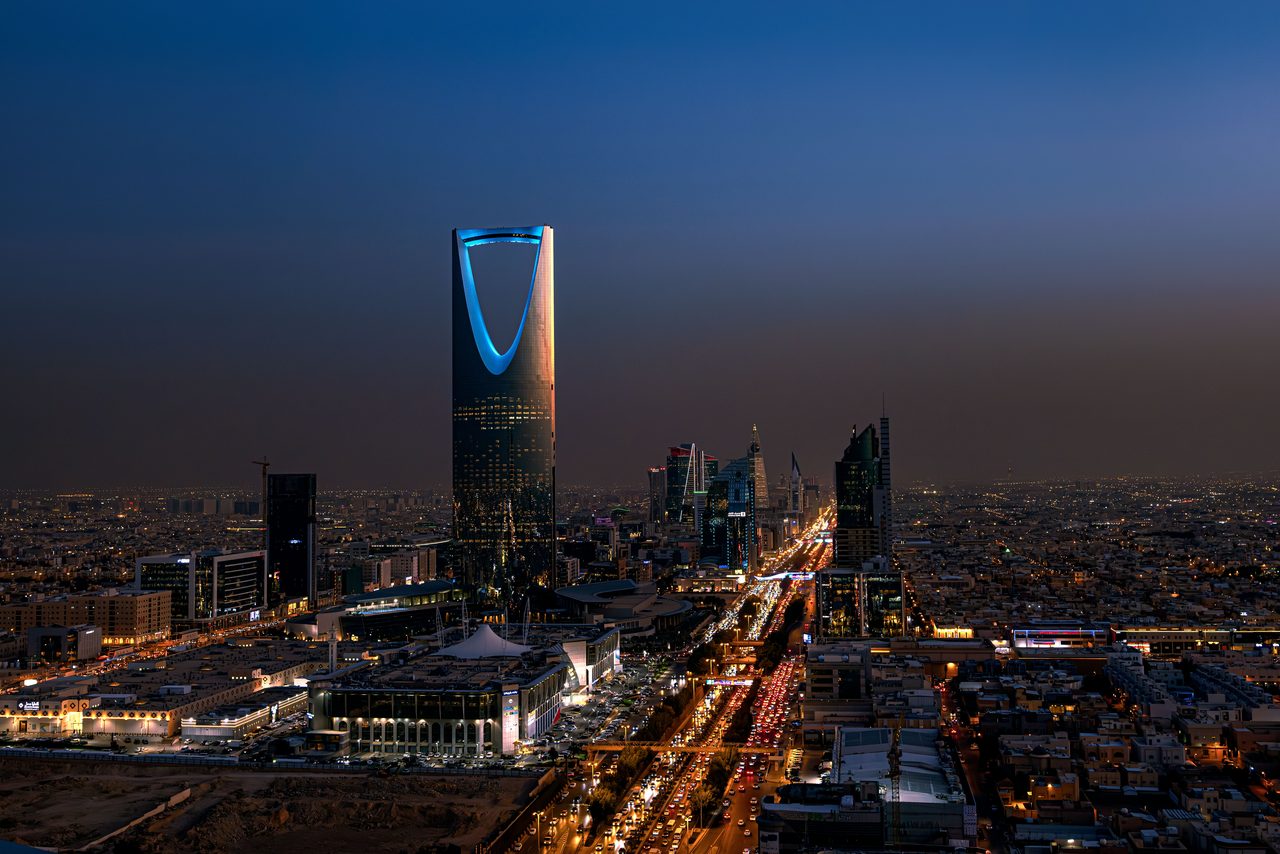
Saudi Arabia offers a captivating blend of ancient history and modern luxury, from UNESCO World Heritage sites like Hegra and Diriyah to futuristic cities like Riyadh and NEOM. Experience pristine Red Sea coastlines, dramatic desert landscapes, and authentic Arabian hospitality in the Kingdom's rapidly evolving tourism sector.
Saudi Arabia offers a captivating blend of ancient history and modern luxury, from UNESCO World Heritage sites like Hegra and Diriyah to futuristic cities like Riyadh and NEOM. Experience pristine Red Sea coastlines, dramatic desert landscapes, and authentic Arabian hospitality in the Kingdom's rapidly evolving tourism sector.
Capital
Riyadh
Largest city
Riyadh
Population
35.9 million
Languages
Arabic (official), English (widely spoken in business and tourism sectors)
The 31 destinations our editors recommend — from iconic landmarks to under-the-radar finds.
Hegra (Madain Saleh)
Saudi Arabia's first UNESCO World Heritage Site, Hegra features over 100 monumental tombs carved into sandstone cliffs by the Nabateans (builders of Petra). The archaeological site showcases elaborate facades and ancient inscriptions dating back to the 1st century BCE.
Edge of the World (Jebel Fihrayn)
A dramatic escarpment offering breathtaking views over the ancient ocean floor. The 300-meter high cliffs provide panoramic vistas across the desert plains, creating one of Saudi Arabia's most spectacular natural landmarks.
Al-Balad (Historic Jeddah)
UNESCO-listed old town showcasing traditional Hejazi architecture with centuries-old coral-stone buildings, intricately carved wooden balconies (rawasheen), and winding alleyways. This historic district preserves Jeddah's heritage as a major Red Sea trading port.
Diriyah (At-Turaif UNESCO Site)
The birthplace of the Saudi Kingdom featuring the restored 15th-century At-Turaif district with impressive mud-brick palaces, fortifications, and the distinctive Najdi architecture with triangular cut-out details. This was the original seat of the Saudi royal family.
Elephant Rock (Jabal AlFil)
A stunning natural sandstone formation sculpted by wind and water erosion over millennia into the shape of an elephant. This geological wonder rises dramatically from the desert floor and is particularly magical at sunset.
Masjid al-Haram (Grand Mosque)
The largest mosque in the world and holiest site in Islam, surrounding the Kaaba. While primarily a pilgrimage destination, its architectural grandeur and spiritual significance make it one of the most important religious sites globally.
Recommended itineraries
Pick a length, follow the route. Each itinerary balances headline sights with breathing room.
5-Day Saudi Arabia Explorer
Day 1Arrive in Saudi Arabia, explore city center
Day 2Visit top attractions and museums
Day 3Day trip to nearby highlights
Day 4Local markets and hidden gems
Day 5Final sightseeing, departure
7-Day Classic Saudi Arabia
Days 1-2Saudi Arabia city highlights
Days 3-4Regional exploration
Days 5-6Cultural immersion and local experiences
Day 7Return and departure
14-Day Ultimate Saudi Arabia
Days 1-3Saudi Arabia comprehensive city tour
Days 4-6Northern region exploration
Days 7-9Eastern highlights
Days 10-12Southern attractions
Days 13-14Return to Saudi Arabia, departure
Where to stay in Saudi Arabia
Three tiers, every traveller covered — from cost-conscious to flagship hotels.
Budget $50-60
Hostels, budget hotels, and guesthouses offer affordable stays without sacrificing experience.
Mid-range $120-150
Boutique hotels and well-located accommodations provide comfort and convenience at reasonable prices.
Luxury $300-500+
World-class resorts and premium hotels deliver unforgettable experiences.
The Ritz-Carlton, Riyadh
Riyadh 11493 · $280-$450
Palatial 5-star hotel offering world-class service with opulent rooms, championship golf course, extensive spa facilities, and multiple award-winning restaurants. Set in manicured grounds, it represents the pinnacle of luxury hospitality in the capital.
Contemporary serviced apartments blending home comforts with upscale hotel amenities, perfect for extended stays. Spacious units with full kitchens, rooftop pool, and prime Olaya district location near business and shopping.
Budget-friendly hotel in bustling Olaya district providing clean, comfortable rooms, 24-hour snack bar, and excellent value. Perfect location for exploring Riyadh's commercial heart without breaking the bank.
Elegant luxury hotel in the Kingdom Centre complex featuring contemporary rooms with skyline views, rooftop pool, world-class spa, and exceptional dining options. Direct access to premium shopping and entertainment.
Cafés, neighbourhood gems, and tasting menus worth the table reservation.
Maiz
Saudi Regional · $$$
Elevated Saudi cuisine showcasing dishes from all thirteen provinces in elegant Bujairi Terrace setting. The menu reads like the Kingdom's greatest culinary hits, combining tradition and modernity in one-of-a-kind dining destination.
Aseeb
Traditional Saudi · $$
Highly recommended Saudi restaurant in Alyasmin, a destination for large groups and families celebrating the tastes of the Kingdom. Authentic recipes served in welcoming traditional atmosphere.
Shawarmer
Shawarma Specialist · $
Modern shawarma chain elevating the classic sandwich with quality ingredients, house-made sauces, and creative variations. Clean, fast-casual environment with consistent quality.
Abu Zaid Traditional Sweets
Saudi Sweets · $
Famous for traditional Saudi desserts and sweets including fresh kunafa, baklava, and date-based treats. A Riyadh institution for authentic local confections.
% Arabica
Specialty Coffee · $$
Minimalist Japanese coffee shop known for world-class specialty coffee, latte art, and Instagram-worthy presentation. Multiple locations with consistent quality and aesthetic appeal.
Al Sarab
Contemporary Saudi · $$$$
Sophisticated dining drawing on Saudi classics, coastal freshness, and caravan warmth. Highlights include silky Sweet Potato Hummus, risotto-like Saleeg, Shrimp Maklouba, and the national dish Kabsa.
Getting around Saudi Arabia
Transportation options in Saudi Arabia include local buses, taxis, and rental cars. Check local conditions before planning your travel.
Budget breakdown
Daily spend by tier in USD, broken out by category.
Average daytime temperature in °C. Figures are for Saudi Arabia.
November to March (pleasant weather, ideal for sightseeing and outdoor activities)
Essential travel tips
Research visa requirements before your trip
Learn a few basic phrases in the local language
Carry cash as cards may not be accepted everywhere
Respect local customs and dress codes
Purchase travel insurance before departure
Hidden gems
Off-the-beaten-path corners most travellers miss.
Wadi Disah
Spectacular sandstone canyon with 300-meter cliffs, natural springs, palm groves, and scenery reminiscent of Jordan's Wadi Rum. Far less touristy than AlUla, perfect for adventurous travelers seeking pristine desert beauty.
Al Wahbah Crater
Massive volcanic crater 250 meters deep and 2 km wide with surreal white sodium phosphate crystal floor. Can hike to bottom for otherworldly experience. Rarely visited despite dramatic scenery.
Rijal Almaa Heritage Village
Stunning mountain village in Asir with multi-story stone fortresses decorated with white quartz. UNESCO-tentative site preserving unique architecture rarely seen by international tourists.
Farasan Islands
Pristine Red Sea archipelago with untouched beaches, vibrant coral reefs, unique wildlife including gazelles, and migratory birds. Accessible only by ferry from Jizan, maintaining unspoiled character.
Moon Valley (Wadi Al Qamar)
Surreal white chalk rock formations creating moonscape scenery just 35 km from Riyadh. Ancient fossils embedded in rocks. Popular with locals but unknown to most tourists.
Al Soudah Park
Saudi Arabia's highest peak area (3,015m) with dramatic mountain scenery, juniper forests, cable cars, and cooler climate
Edge of the World (Jebel Fihrayn)
75 km northwest of Riyadh; dramatic escarpment with 300-meter sheer cliffs overlooking vast plains stretching to the horizon
Al Wahbah Crater Rim
250 km northeast of Taif; volcanic crater 250 meters deep, 2 km wide with surreal sodium phosphate crystal floor
Corniche Boulevard, Jeddah
30 km waterfront promenade along the Red Sea in Jeddah, with King Fahd Fountain visible from multiple viewpoints
Safety information
INFO
Enroll in Smart Traveler Enrollment Program (STEP) before arrival
INFO
Avoid criticism of Saudi institutions on social media (can result in arrest and lengthy prison sentences)
INFO
Respect conservative dress codes and cultural norms, especially for women
INFO
Stay informed about regional tensions and potential missile/drone attacks
INFO
Keep copies of passport and important documents in secure locations
INFO
Avoid border areas with Yemen and demonstrations/large gatherings
INFO
Register with your embassy upon arrival; the US Embassy in Riyadh is at +966 11 488 3800 and the Consulate in Jeddah at +966 12 220 0940
INFO
Alcohol is strictly prohibited; possession can result in imprisonment and deportation
INFO
Photograph mosques and religious sites only from the outside; never photograph government buildings, military installations, or airports
INFO
Public displays of affection are illegal and can lead to fines or arrest; unmarried couples should exercise discretion
Frequently asked questions
Is Saudi Arabia safe to visit in 2026?
Saudi Arabia is one of the safest countries in the Middle East for tourists, with extremely low violent crime rates and a high-security environment in urban areas. The primary risks are related to conservative laws (alcohol prohibition, photography restrictions, dress codes) and regional security tensions near the Yemeni border rather than personal crime. Emergency services: police at 999, medical at 997.
What is the best time to visit Saudi Arabia?
The best time to visit Saudi Arabia is November to March (pleasant weather, ideal for sightseeing and outdoor activities). Saudi Arabia has a predominantly arid desert climate with extreme heat in summer and mild, pleasant winters. Interior regions (Riyadh, AlUla) experience more extreme temperature swings with very hot s
Do I need a visa to visit Saudi Arabia?
US citizens can obtain an eVisa online (valid 1 year, multiple entry, up to 90 days per visit) or visa-on-arrival with valid US visa. Cost: 440 SAR ($117) including health insurance. Passport valid 6+ months required. Requirements vary by nationality, so check with your nearest embassy or the official immigration website before traveling.
What currency is used in Saudi Arabia?
The currency in Saudi Arabia is the Saudi Riyal (SAR) (SAR). ATMs are widely available in cities and tourist areas. Credit cards are accepted at most hotels and restaurants, but carry cash for markets and smaller establishments.
What language is spoken in Saudi Arabia?
The main language(s) spoken in Saudi Arabia: Arabic (official), English (widely spoken in business and tourism sectors). In tourist areas, English is generally understood. Learning a few basic phrases in the local language is appreciated by locals.
What are the top attractions in Saudi Arabia?
The top attractions in Saudi Arabia include Hegra (Madain Saleh), Edge of the World (Jebel Fihrayn), Al-Balad (Historic Jeddah), Diriyah (At-Turaif UNESCO Site), and Elephant Rock (Jabal AlFil). Each offers a unique experience, from historic landmarks to natural wonders.
Explore Saudi Arabia by region
Each region has its own character — coastal, alpine, vineyard, capital. Pick a starting point.