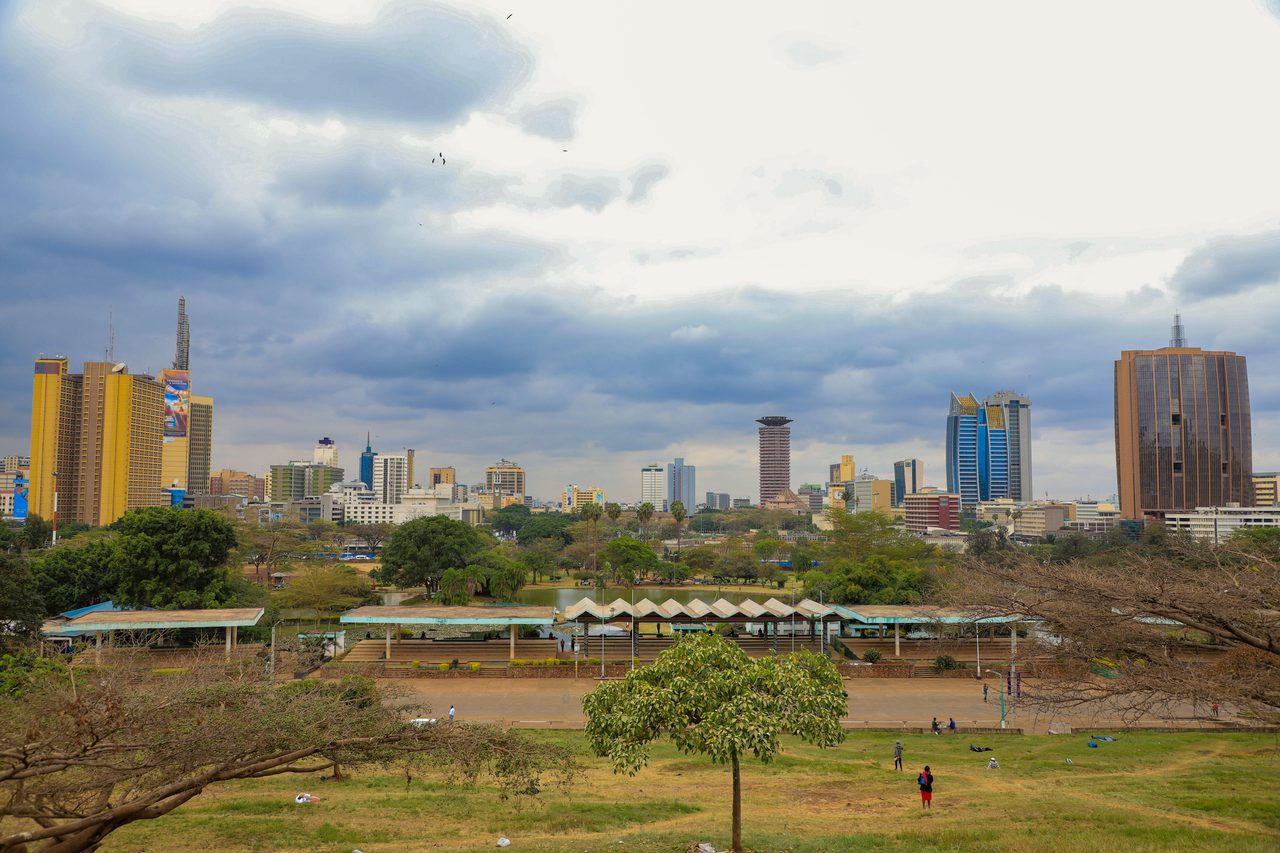
Kenya captivates with its iconic wildlife safaris, pristine beaches, and vibrant culture. From the Great Migration in Maasai Mara to the bustling streets of Nairobi, this East African gem offers unforgettable adventures. Discover diverse landscapes ranging from snow-capped Mount Kenya to the turquoise waters of the Indian Ocean.
Kenya captivates with its iconic wildlife safaris, pristine beaches, and vibrant culture. From the Great Migration in Maasai Mara to the bustling streets of Nairobi, this East African gem offers unforgettable adventures. Discover diverse landscapes ranging from snow-capped Mount Kenya to the turquoise waters of the Indian Ocean.
The 26 destinations our editors recommend — from iconic landmarks to under-the-radar finds.
Maasai Mara National Reserve
World-renowned for the Great Migration, Maasai Mara is Kenya's most famous safari destination. Witness millions of wildebeest and zebras crossing crocodile-infested rivers while predators lurk nearby. The reserve offers exceptional year-round wildlife viewing with the Big Five and incredible birdlife.
Nairobi National Park
The world's only national park within a capital city, offering a unique juxtaposition of wildlife against Nairobi's skyline. Home to lions, leopards, rhinos, giraffes, and over 400 bird species. Perfect for a quick safari just 7km from downtown.
David Sheldrick Wildlife Trust
World-famous elephant orphanage rescuing and rehabilitating baby elephants orphaned by poaching. Watch adorable baby elephants play and feed during the daily 11 AM public visit. Learn about conservation efforts and adopt an elephant to support their care.
Giraffe Centre
Conservation center dedicated to protecting endangered Rothschild's giraffes. Feed giraffes from a raised platform and experience their long purple tongues up close. Educational programs teach about wildlife conservation in a beautiful forest setting.
Amboseli National Park
Famous for spectacular views of Mount Kilimanjaro and large elephant herds. Offers unparalleled opportunities to photograph elephants with Africa's highest peak in the background. Diverse ecosystem includes swamps, savannah, and woodlands with 400+ bird species.
Lake Nakuru National Park
Soda lake famous for flamingo flocks and rhino sanctuary. While flamingo numbers fluctuate, the park offers excellent wildlife viewing including both black and white rhinos, lions, leopards, and Rothschild's giraffes. Stunning viewpoints overlook the lake.
Recommended itineraries
Pick a length, follow the route. Each itinerary balances headline sights with breathing room.
5-Day Kenya Explorer
Day 1Arrive in Kenya, explore city center
Day 2Visit top attractions and museums
Day 3Day trip to nearby highlights
Day 4Local markets and hidden gems
Day 5Final sightseeing, departure
7-Day Classic Kenya
Days 1-2Kenya city highlights
Days 3-4Regional exploration
Days 5-6Cultural immersion and local experiences
Day 7Return and departure
14-Day Ultimate Kenya
Days 1-3Kenya comprehensive city tour
Days 4-6Northern region exploration
Days 7-9Eastern highlights
Days 10-12Southern attractions
Days 13-14Return to Kenya, departure
Where to stay in Kenya
Three tiers, every traveller covered — from cost-conscious to flagship hotels.
Budget $35-50
Hostels, budget hotels, and guesthouses offer affordable stays without sacrificing experience.
Mid-range $100-180
Boutique hotels and well-located accommodations provide comfort and convenience at reasonable prices.
Luxury $350-800+
World-class resorts and premium hotels deliver unforgettable experiences.
Giraffe Manor
Nairobi · $800-1200
Iconic boutique hotel where endangered Rothschild's giraffes visit for breakfast through the windows. Exclusive 12-room property in 12 acres of indigenous forest offers unparalleled wildlife encounters. Art Deco elegance combined with authentic Kenyan hospitality.
Historic hotel in Nairobi CBD offering comfort and colonial charm since 1902. Central location perfect for business and leisure travelers. Famous Thorn Tree Café meeting point and comfortable rooms with modern amenities.
Budget-friendly eco-camp in Maasai Mara offering authentic safari experience without breaking the bank. Simple tents with shared facilities, campfire meals, and knowledgeable guides. Perfect for backpackers and budget-conscious travelers.
Luxury tented camp perched on the edge of Great Rift Valley overlooking Maasai Mara. Every tent features floor-to-ceiling glass with spectacular views. Inspired by Out of Africa film, offering photographic studio and hot air balloon safaris.
Cafés, neighbourhood gems, and tasting menus worth the table reservation.
Talisman Restaurant
International Fusion · $$$
Nairobi's most acclaimed fine dining restaurant offering eclectic international cuisine in romantic garden setting. Creative menu blends European, Asian, and African influences with locally sourced ingredients. Extensive wine list and impeccable service.
Mama Oliech Restaurant
Kenyan · $$
Legendary local spot famous for authentic Kenyan fish dishes, especially fried tilapia with ugali. No-frills atmosphere but exceptional traditional cooking. A Nairobi institution for over 30 years.
K'Osewe Ranalo Foods
Kenyan · $
Popular local chain serving traditional Kenyan dishes, especially Luo cuisine. Famous for fish, ugali, and sukuma wiki in casual atmosphere. Affordable prices and generous portions.
Kenyatta Market (Wakulima Market)
Kenyan Street Food · $
Bustling local market famous for nyama choma (grilled meat) and Kenyan street food. Authentic atmosphere where locals eat. Try grilled goat, beef, and traditional sides.
Artcaffe The Junction
Cafe/International · $-$$
Popular cafe with excellent coffee, fresh pastries, and healthy meals. WiFi, comfortable seating, and professional atmosphere make it perfect for laptop work or meetings.
Tamarind Mombasa
Seafood/Swahili · $$$
Iconic seafood restaurant on Mombasa's Tudor Creek offering dhow dinner cruises. Fresh seafood including lobster, crab, and local fish prepared with Swahili spices. Romantic waterfront setting with sunset views.
Carry cash as cards may not be accepted everywhere
Respect local customs and dress codes
Purchase travel insurance before departure
Hidden gems
Off-the-beaten-path corners most travellers miss.
Mfangano Island, Lake Victoria
Remote island retreat with ancient rock art, traditional fishing villages, and luxury eco-lodge. Completely off-the-beaten-path with unique culture and birdwatching.
Kakamega Forest
Kenya's only tropical rainforest, remnant of ancient Congo forest. Incredible biodiversity with unique bird species, primates, butterflies. Canopy walks and primate tracking.
Marsabit National Park
Isolated mountain forest oasis in northern desert with crater lakes and unique wildlife. Ahmed the elephant sanctuary, fog-shrouded forests, very remote.
Funzi Island
Pristine island south of Diani with mangrove forests, dolphin channels, and traditional Swahili villages. No cars, perfect for kayaking and nature walks.
Chyulu Hills National Park
Volcanic landscape of rolling green hills between Amboseli and Tsavo
Loita Hills
Sacred Maasai forest with pristine indigenous trees, caves, and traditional ceremonies
Gede Ruins
Mysterious 13th-century Swahili town ruins near Watamu, swallowed by forest
Kerio Valley
Dramatic Rift Valley escarpment with 1,000-meter drops, hot springs, and traditional Tugen communities
Safety information
INFO
Register with your embassy on arrival and keep their emergency number saved — Kenya experiences periodic civil unrest during elections.
INFO
Avoid traveling after dark due to crime and poor traffic safety; use reputable taxis or ride-hailing apps like Bolt or Little Cab rather than walking.
INFO
Do not visit Kenya-Somalia border counties (Garissa, Wajir, Mandera) due to ongoing armed conflict and kidnapping risk.
INFO
Stay away from Eastleigh and parts of Kibera in Nairobi after dark; these areas have elevated petty crime.
INFO
Be alert to the terrorism threat from al-Shabaab, particularly in crowded markets, places of worship, and tourist sites; remain vigilant in Mombasa and coastal areas.
INFO
Use reputable, licensed tour operators for safaris — verify KATO (Kenya Association of Tour Operators) membership before booking.
INFO
Keep valuables secure and avoid displaying expensive jewellery, cameras, or phones in public; bag-snatching from moving vehicles is common.
INFO
Obtain comprehensive travel insurance including medical evacuation coverage — hospitals outside Nairobi and Mombasa offer limited care.
INFO
Drink only bottled or treated water; avoid ice in drinks outside upscale establishments to prevent travellers diarrhoea and typhoid.
INFO
Take anti-malarial medication as prescribed before and during your trip, use DEET-based repellent, and sleep under a mosquito net in rural areas.
INFO
Carry your yellow fever vaccination certificate as it may be required for entry if you have traveled from a yellow-fever endemic country.
INFO
Dress modestly when visiting coastal towns like Lamu and Mombasa, which have large Muslim communities — cover shoulders and knees in mosques and local markets.
Frequently asked questions
Is Kenya safe to visit in 2026?
Kenya is a rewarding destination that requires informed precautions. Urban areas, especially Nairobi's CBD and some suburbs, have elevated petty theft and bag-snatching. Tourist areas and safari destinations are generally safe, but border regions with Somalia (Garissa, Wajir, Mandera) carry serious security risks and should be avoided. Emergency services: police at 999 / 112 / 911, medical at 999 / 112 / 1199 (Red Cross); Nairobi Hospital: +254 20 284 5000; Aga Khan Hospital: +254 366 2000.
What is the best time to visit Kenya?
The best time to visit Kenya is July-October (Great Migration), December-March (dry season). Kenya straddles the equator and has diverse climates — the coast is hot and humid year-round while the highlands around Nairobi and Mount Kenya are temperate and cooler. The country has two rainy seas
Do I need a visa to visit Kenya?
Electronic Travel Authorization (eTA) required, valid for 5 years with 90-day stays per visit. Apply at www.etakenya.go.ke at least 3 days before travel. No visa on arrival available. Requirements vary by nationality, so check with your nearest embassy or the official immigration website before traveling.
What currency is used in Kenya?
The currency in Kenya is the Kenyan Shilling (KES) (KES). ATMs are widely available in cities and tourist areas. Credit cards are accepted at most hotels and restaurants, but carry cash for markets and smaller establishments.
What language is spoken in Kenya?
The main language(s) spoken in Kenya: English, Swahili. In tourist areas, English is generally understood. Learning a few basic phrases in the local language is appreciated by locals.
What are the top attractions in Kenya?
The top attractions in Kenya include Maasai Mara National Reserve, Nairobi National Park, David Sheldrick Wildlife Trust, Giraffe Centre, and Amboseli National Park. Each offers a unique experience, from historic landmarks to natural wonders.
Explore Kenya by region
Each region has its own character — coastal, alpine, vineyard, capital. Pick a starting point.