Middle East · 32 Places · Best March-May, September-November
Israel
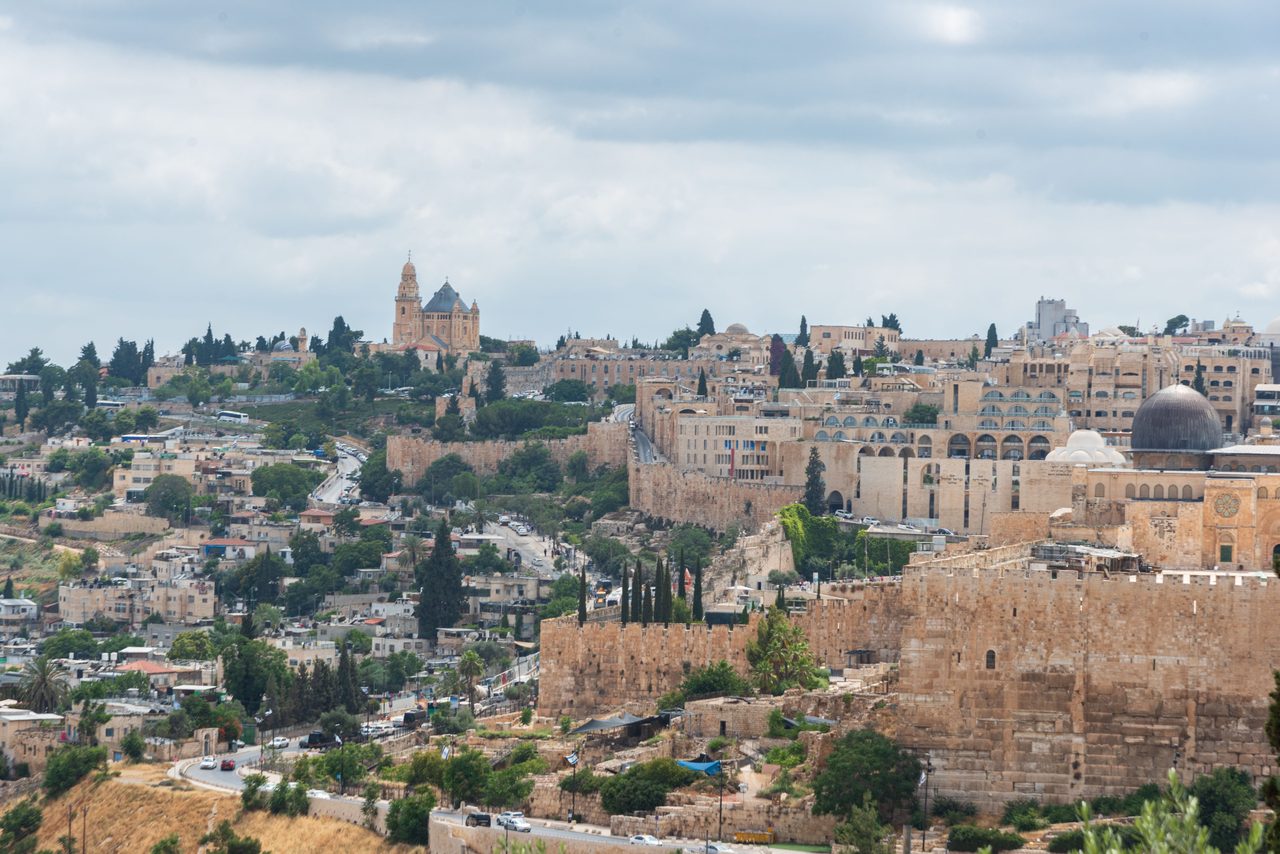
Israel is a fascinating blend of ancient history and modern innovation, where millennia-old religious sites meet vibrant contemporary culture. From the golden Dome of the Rock in Jerusalem to the bustling beaches of Tel Aviv and the otherworldly landscapes of the Dead Sea, this small Mediterranean nation offers extraordinary diversity.
Israel is a fascinating blend of ancient history and modern innovation, where millennia-old religious sites meet vibrant contemporary culture. From the golden Dome of the Rock in Jerusalem to the bustling beaches of Tel Aviv and the otherworldly landscapes of the Dead Sea, this small Mediterranean nation offers extraordinary diversity.
Capital
Jerusalem
Languages
Hebrew, Arabic, English widely spoken
Currency
Israeli New Shekel (ILS)
Time zone
UTC+2 (Israel Standard Time) / UTC+3 (IDT in summer)
The 32 destinations our editors recommend — from iconic landmarks to under-the-radar finds.
Western Wall (Kotel)
The holiest site in Judaism where Jews are permitted to pray, this ancient limestone wall is a remnant of the Second Temple. Visitors can write prayers on paper and insert them into the wall's cracks. The plaza is divided into separate prayer sections for men and women.
Dome of the Rock
One of the most iconic structures in the world, this stunning Islamic shrine features a golden dome and intricate tile work. Built in 691 CE, it stands on the Temple Mount and marks the spot where Muhammad is believed to have ascended to heaven. Non-Muslims cannot enter but can admire from outside.
Church of the Holy Sepulchre
Christianity's holiest site, believed to be where Jesus was crucified, buried, and resurrected. This vast church complex contains multiple chapels managed by six Christian denominations. Highlights include the Stone of Anointing, Golgotha, and the Aedicule over the tomb.
Masada
This ancient mountaintop fortress offers stunning desert views and profound historical significance. King Herod built a palace here, and it was the site of Jewish rebels' last stand against the Romans in 73 CE. Take the cable car or hike the Snake Path at sunrise for an unforgettable experience.
Dead Sea
The lowest point on Earth at 430 meters below sea level, the Dead Sea's hypersaline waters allow effortless floating. The mineral-rich mud is renowned for therapeutic properties. The surreal landscape and unique buoyancy experience make this a must-visit destination.
Yad Vashem
The World Holocaust Remembrance Center is a powerful and moving memorial and museum. The main museum tells the story of the Holocaust through personal artifacts, testimonies, and exhibits. The Hall of Names contains Pages of Testimony commemorating millions of victims.
Recommended itineraries
Pick a length, follow the route. Each itinerary balances headline sights with breathing room.
5-Day Israel Explorer
Day 1Arrive in Israel, explore city center
Day 2Visit top attractions and museums
Day 3Day trip to nearby highlights
Day 4Local markets and hidden gems
Day 5Final sightseeing, departure
7-Day Classic Israel
Days 1-2Israel city highlights
Days 3-4Regional exploration
Days 5-6Cultural immersion and local experiences
Day 7Return and departure
14-Day Ultimate Israel
Days 1-3Israel comprehensive city tour
Days 4-6Northern region exploration
Days 7-9Eastern highlights
Days 10-12Southern attractions
Days 13-14Return to Israel, departure
Where to stay in Israel
Three tiers, every traveller covered — from cost-conscious to flagship hotels.
Budget $45-70
Hostels, budget hotels, and guesthouses offer affordable stays without sacrificing experience.
Mid-range $120-200
Boutique hotels and well-located accommodations provide comfort and convenience at reasonable prices.
Luxury $350-600+
World-class resorts and premium hotels deliver unforgettable experiences.
The King David Hotel Jerusalem
Jerusalem · $450-$800
This legendary luxury hotel has hosted royalty, presidents, and celebrities since 1931. Featuring stunning views of the Old City, elegant rooms with period furnishings, and impeccable service, it's Jerusalem's most prestigious address. The outdoor pool, spa, and multiple dining options make it a destination in itself.
A stylish boutique hotel with 50 rooms in a prime location near Ben Yehuda Street. The rooftop lounge, complimentary happy hour, and modern design appeal to younger travelers. Excellent value with great service and central location.
A social hostel with private rooms and dorms near Mahane Yehuda Market. The rooftop bar, organized tours, and vibrant atmosphere make it popular with young travelers. Clean facilities, great staff, and daily activities included.
Blending Ottoman elegance with modern luxury, this palatial hotel occupies a historic building near the Old City. Rooms feature marble bathrooms and Guerlain products, while the rooftop pool offers panoramic views. The spa and fine dining restaurant are world-class.
Cafés, neighbourhood gems, and tasting menus worth the table reservation.
Machneyuda
Modern Israeli · $$$
This legendary restaurant in Mahane Yehuda Market offers creative Israeli cuisine in a lively, almost chaotic atmosphere. Chef Assaf Granit's innovative dishes use market-fresh ingredients, and the energy is electric with music and communal tables. Reservations essential.
Tmol Shilshom
Israeli Cafe · $$
A beloved literary cafe and bookstore serving vegetarian Israeli cuisine in a charming space. The cozy atmosphere, excellent salads, and cultural events make it a Jerusalem institution. Perfect for lunch or coffee with a book.
Hummus Ben Sira
Hummus · $
A simple Jerusalem hummus joint that locals swear by. The creamy hummus, fresh pita, and authentic atmosphere provide the quintessential hummus experience. Get there early as they close when the hummus runs out.
Azura's Sabich Stand
Iraqi Street Food · $
Near the famous restaurant, this stand serves incredible sabich - fried eggplant, hard-boiled egg, Israeli salad, tahini, and amba in pita. A perfect on-the-go meal at Mahane Yehuda Market.
Café Kadosh
European Bakery Cafe · $$
A Jerusalem institution since 1967, this European-style cafe serves excellent pastries, cakes, and coffee. The chocolate babka and apple strudel are legendary. Perfect for breakfast or afternoon coffee.
Eucalyptus
Biblical Israeli · $$$
Chef Moshe Basson creates extraordinary dishes inspired by biblical ingredients and ancient recipes. Located near the Old City, this elegant restaurant offers tasting menus featuring wild herbs, ancient grains, and innovative techniques. A culinary journey through history.
Transportation options in Israel include local buses, taxis, and rental cars. Check local conditions before planning your travel.
Budget breakdown
Daily spend by tier in USD, broken out by category.
Category
Budget
Mid-range
Luxury
Accommodation
$20-35 (hostel dorm)
$60-100 (budget hotel or private room)
$200-400+ (4-5 star hotels)
Food (per day)
$15-25 (street food, markets, self-catering)
$35-60 (mix of casual and mid-range restaurants)
$80-150 (fine dining, quality restaurants)
Transportation
$5-10 (buses, walking)
$15-25 (buses, trains, occasional taxi)
$30-50 (taxis, car rental)
Activities
$5-15 (free attractions, occasional paid site)
$20-40 (paid attractions, tours)
$50-100+ (private tours, premium experiences)
Daily total
$45-70
$120-200
$350-600+
Best time to visit Israel
Weather through the year in Israel
Best timeShoulderWorth avoiding
Average daytime temperature in °C. Figures are for Israel.
Essential travel tips
Research visa requirements before your trip
Learn a few basic phrases in the local language
Carry cash as cards may not be accepted everywhere
Respect local customs and dress codes
Purchase travel insurance before departure
Hidden gems
Off-the-beaten-path corners most travellers miss.
Tel Aviv Port Area (Namal)
The renovated old port is less touristy than beaches further south. Wooden boardwalks, excellent restaurants, bars, outdoor markets on weekends, and beautiful sunsets. Popular with locals.
Yemin Moshe Neighborhood
Jerusalem's first neighborhood built outside the Old City walls in 1891. Picturesque stone houses, narrow alleys, artists' studios, and the iconic Montefiore Windmill. Quiet escape from tourist crowds.
Beit Guvrin-Maresha National Park
Ancient underground cities with hundreds of caves, bell caves, and archaeological sites. Visitors can participate in actual archaeological digs. Unique experience exploring massive carved caverns.
Achziv Beach National Park
Beautiful northern Mediterranean beach with natural pools formed by rocks, ancient ruins, and crystal-clear water. Less crowded than southern beaches. Excellent snorkeling in rocky areas.
Banias Nature Reserve
A lush waterfall reserve at the foot of Mount Hermon. Crystal streams, ancient ruins of Pan worship, and the largest waterfall in Israel. Cool respite from summer heat.
Ein Hod Artists' Village
A picturesque hillside village between Haifa and Tel Aviv inhabited entirely by artists and craftspeople
Rosh Pina
A charming Galilee mountain town with restored stone houses, artist galleries, excellent restaurants, and stunning views
Keshet Cave (Rainbow Cave)
A natural limestone arch in the Galilee creating a spectacular cave formation
Tel Arad
Well-preserved ancient Canaanite and Israelite city in the Negev Desert
Safety information
INFO
Enroll in the STEP program (US citizens) for security alerts
INFO
Know the location of the nearest bomb shelter or protected space
INFO
Download emergency alert apps like Home Front Command
INFO
Avoid demonstrations and large gatherings
INFO
Stay informed about current security situation
INFO
Keep emergency supplies and documents readily accessible
INFO
Follow instructions from local authorities immediately
INFO
Register with your embassy upon arrival; the US Embassy is in Tel Aviv (+972-3-519-7575)
INFO
Dress modestly at religious sites - cover shoulders and knees; carry a scarf for mosques and synagogues
INFO
Never leave bags unattended; unattended items trigger immediate security responses and area closures
INFO
Carry your passport or a certified copy at all times - Israeli police can request ID at any time
INFO
Be aware of Shabbat (Friday sunset to Saturday nightfall): most transport, shops, and restaurants close - plan ahead
INFO
Use only licensed yellow taxis or reputable ride-share apps; agree on price or confirm meter before departing
Frequently asked questions
Is Israel safe to visit in 2026?
Israel is generally a safe destination for tourists despite its complex geopolitical situation. Tourist areas in Tel Aviv, Jerusalem, Haifa, and Eilat are well-policed and largely safe from crime. The primary safety consideration is the ongoing Israeli-Palestinian conflict and periodic security escalations, which require travelers to stay informed and follow government travel advisories. Emergency services: police at 100, medical at 101.
What is the best time to visit Israel?
The best time to visit Israel is March-May, September-November. Israel has a Mediterranean climate in the north and center, transitioning to an arid desert climate in the Negev and Eilat in the south. The country essentially has two main seasons: a mild, rainy win
Do I need a visa to visit Israel?
As of January 1, 2025, US citizens must obtain an Electronic Travel Authorization (ETA-IL) for stays up to 90 days. Cost: 25 ILS, valid for 2 years. Apply at least 72 hours before travel at israel-entry.piba.gov.il. Passport must be valid for 6 months beyond departure date. Requirements vary by nationality, so check with your nearest embassy or the official immigration website before traveling.
What currency is used in Israel?
The currency in Israel is the Israeli New Shekel (ILS) (ILS). ATMs are widely available in cities and tourist areas. Credit cards are accepted at most hotels and restaurants, but carry cash for markets and smaller establishments.
What language is spoken in Israel?
The main language(s) spoken in Israel: Hebrew, Arabic, English widely spoken. In tourist areas, English is generally understood. Learning a few basic phrases in the local language is appreciated by locals.
What are the top attractions in Israel?
The top attractions in Israel include Western Wall (Kotel), Dome of the Rock, Church of the Holy Sepulchre, Masada, and Dead Sea. Each offers a unique experience, from historic landmarks to natural wonders.