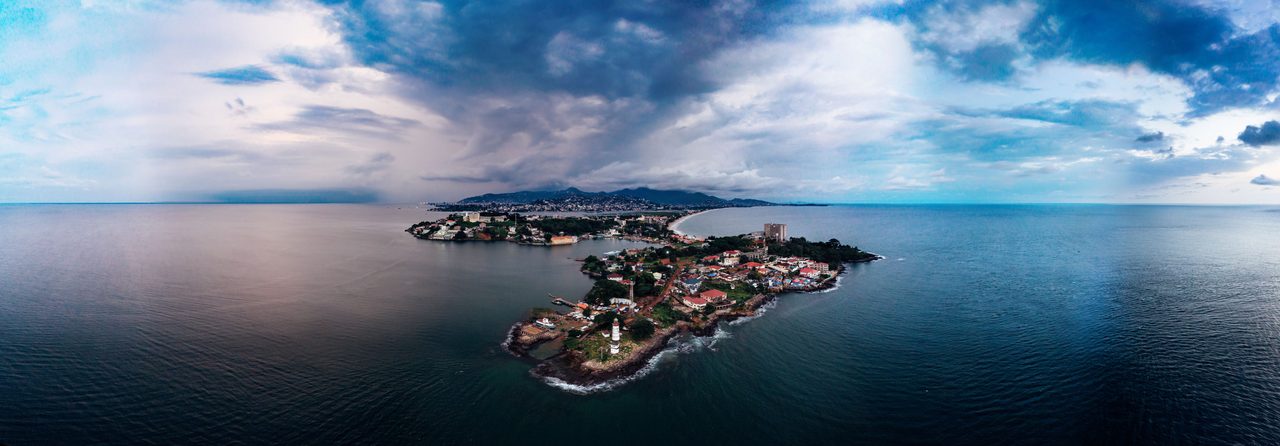
Guinea is a West African nation rich in natural beauty, from pristine beaches along the Atlantic coast to the mountainous Fouta Djallon highlands with stunning waterfalls. The country offers authentic cultural experiences, vibrant markets, and the UNESCO-listed Mount Nimba Strict Nature Reserve.
Guinea is a West African nation rich in natural beauty, from pristine beaches along the Atlantic coast to the mountainous Fouta Djallon highlands with stunning waterfalls. The country offers authentic cultural experiences, vibrant markets, and the UNESCO-listed Mount Nimba Strict Nature Reserve.
The 26 destinations our editors recommend — from iconic landmarks to under-the-radar finds.
Conakry Grand Mosque (Fayçal Mosque)
The largest mosque in Sub-Saharan Africa, this architectural marvel showcases impressive Islamic design with soaring minarets and intricate tilework. Built with funding from King Faisal of Saudi Arabia, it can accommodate over 10,000 worshippers and stands as a symbol of Guinea's Islamic heritage.
Iles de Los (Los Islands)
A group of pristine islands off the coast of Conakry offering crystal-clear waters, white sandy beaches, and lush tropical vegetation. Popular for swimming, snorkeling, and escaping the city bustle. The main islands are Tamara, Kassa, and Roume, each with unique charm.
Mount Nimba Strict Nature Reserve
A UNESCO World Heritage Site straddling Guinea, Liberia, and Côte d'Ivoire, featuring spectacular mountain ridges, cloud forests, and unique wildlife including viviparous toads found nowhere else on Earth. The reserve reaches 1,752 meters at its highest point.
Palais du Peuple (People's Palace)
An iconic modernist structure serving as Guinea's national conference center and cultural venue. Built in the 1960s, it represents the post-independence architectural ambitions and hosts important political events, cultural exhibitions, and performances.
National Museum of Guinea (Musée National)
Guinea's premier museum showcasing the country's rich cultural heritage with extensive collections of traditional masks, musical instruments, sculptures, and archaeological artifacts. Exhibits cover Guinea's diverse ethnic groups and historical periods from pre-colonial to independence.
Fouta Djallon Highlands
A stunning mountainous region known as the 'Water Tower of West Africa' with spectacular waterfalls, rolling hills, traditional Fulani villages, and cool climate. The highlands are the source of major West African rivers including the Niger, Gambia, and Senegal.
Recommended itineraries
Pick a length, follow the route. Each itinerary balances headline sights with breathing room.
5-Day Guinea Explorer
Day 1Arrive in Guinea, explore city center
Day 2Visit top attractions and museums
Day 3Day trip to nearby highlights
Day 4Local markets and hidden gems
Day 5Final sightseeing, departure
7-Day Classic Guinea
Days 1-2Guinea city highlights
Days 3-4Regional exploration
Days 5-6Cultural immersion and local experiences
Day 7Return and departure
14-Day Ultimate Guinea
Days 1-3Guinea comprehensive city tour
Days 4-6Northern region exploration
Days 7-9Eastern highlights
Days 10-12Southern attractions
Days 13-14Return to Guinea, departure
Where to stay in Guinea
Three tiers, every traveller covered — from cost-conscious to flagship hotels.
Budget $25-35
Hostels, budget hotels, and guesthouses offer affordable stays without sacrificing experience.
Mid-range $70-110
Boutique hotels and well-located accommodations provide comfort and convenience at reasonable prices.
Luxury $250-400
World-class resorts and premium hotels deliver unforgettable experiences.
Noom Hotel Conakry
Conakry · $180-250
A distinguished 5-star property in the heart of Conakry featuring modern rooms with ocean views, a seasonal outdoor pool, state-of-the-art fitness center, and well-equipped business facilities. The hotel offers exceptional service and is the top choice for business travelers and luxury seekers.
Quality 4-star hotel offering excellent value with well-appointed rooms, on-site bar, 24-hour front desk, airport transportation, and reliable WiFi. Popular with business travelers seeking comfort without luxury price tags.
Clean and affordable guesthouse offering basic but comfortable rooms with air conditioning, shared kitchen facilities, and helpful staff. Excellent choice for budget travelers who want safe, no-frills accommodation.
Cafés, neighbourhood gems, and tasting menus worth the table reservation.
Le Damier
French-West African Fusion · $$$$$
Conakry's pinnacle fine dining establishment renowned for exquisite fusion of French culinary techniques with West African ingredients. Elegant ambiance, impeccable service, and creative dishes make it the top choice for special occasions.
Chez Fatou
Traditional Guinean · $$
Popular local restaurant serving authentic Guinean dishes in welcoming atmosphere. Known for generous portions, traditional recipes, and friendly service. A favorite among locals and expats seeking genuine Guinean flavors.
Le Diplomate
Guinean-International · $
Relaxed eatery serving mix of Guinean staples and international comfort food. Popular for breakfast and lunch with business crowd. Air-conditioned dining room and outdoor terrace seating.
Madina Market Food Stalls
Street Food · $
Collection of street food vendors in and around Madina Market offering authentic Guinean snacks, grilled meats, fresh fruit, and traditional dishes. Vibrant atmosphere and rock-bottom prices.
Café de la Poste
Café & Patisserie · $$
Classic French-style café serving excellent coffee, pastries, croissants, and light meals. Prime people-watching spot with outdoor seating. Popular for breakfast and afternoon coffee breaks.
L'Avenue
International Fusion · $$$$$
Sophisticated restaurant offering global cuisine from Asian to European and American, alongside signature African entrees. Attracts cosmopolitan clientele with its diverse menu, extensive wine list, and upscale atmosphere.
Getting around Guinea
Transportation options in Guinea include local buses, taxis, and rental cars. Check local conditions before planning your travel.
Budget breakdown
Daily spend by tier in USD, broken out by category.
Category
Budget
Mid-range
Luxury
Accommodation
$10-15 (budget guesthouse dormitory or basic room)
$40-60 (3-star hotel or nice guesthouse)
$150-250 (5-star hotels)
Food (per day)
$8-12 (street food, local restaurants, market snacks)
$20-30 (mix of local and international restaurants)
$60-90 (fine dining restaurants, hotel dining)
Transportation
$3-5 (shared taxis, minibuses, motorcycle taxis)
$8-15 (private taxis, ride-hailing apps, occasional car hire)
$25-40 (private car with driver, airport transfers)
Average daytime temperature in °C. Figures are for Guinea.
November to February (dry season, cooler temperatures)
Essential travel tips
Research visa requirements before your trip
Learn a few basic phrases in the local language
Carry cash as cards may not be accepted everywhere
Respect local customs and dress codes
Purchase travel insurance before departure
Hidden gems
Off-the-beaten-path corners most travellers miss.
Îles Tristao Archipelago
Untouched island chain near Guinea-Bissau border featuring deserted beaches, sea turtle nesting sites, and important bird habitats. True off-grid adventure requiring multi-day boat expedition.
Ziama Massif Forest Reserve
Pristine rainforest sheltering forest elephants, chimpanzees, and rare birds. Less visited than Mount Nimba but equally impressive biodiversity. Guided treks through dense jungle.
Kambia Island
Small island near Conakry less developed than Los Islands, offering rustic beach experience and excellent fishing. Perfect for travelers seeking quieter alternative to popular islands.
Sacred Forest of Nzérékoré
Spiritually significant forest where traditional ceremonies occur. Offers rare insight into indigenous beliefs and practices with respectful local guide. Culturally sensitive experience.
Konkouré River Villages
Traditional riverside communities living along the Konkouré River. Boat trips reveal authentic rural life, fishing culture, and riverside agriculture rarely seen by outsiders.
Cape Verga Peninsula
Remote coastal area with pristine beaches, mangrove forests, and traditional fishing villages rarely visited by tourists
Dalaba Hill Station
Colonial-era retreat town in Fouta Djallon with cool climate, historic buildings, and nearby waterfalls
Kindia Rock Climbing Areas
Dramatic granite formations around Kindia offering climbing routes for various skill levels
Safety information
INFO
Do not walk or drive at night due to poor street lighting
INFO
Do not physically resist any robbery attempt
INFO
Avoid demonstrations and political gatherings
INFO
Keep copies of important documents including yellow fever vaccination card
INFO
Use only licensed taxis or ride-hailing apps like Yango
INFO
Be aware of increased security checkpoints during election period
INFO
Register with your country embassy upon arrival - Guinea has limited foreign consular services
INFO
Carry yellow fever vaccination certificate at all times - required by law and checked at road checkpoints
INFO
Avoid displaying expensive jewelry, cameras, or phones in public markets and crowded areas
INFO
Only exchange money at official banks or authorized bureaux de change - street exchanges risk counterfeit notes
INFO
Tap water is not safe to drink - use sealed bottled water for drinking and brushing teeth
INFO
Malaria is endemic year-round - take prescribed prophylaxis and use mosquito repellent and bed nets nightly
INFO
Respect photography restrictions - never photograph military installations, government buildings, or checkpoints
Frequently asked questions
Is Guinea safe to visit in 2026?
Guinea requires heightened caution due to political instability, crime in urban areas, and significant health risks including malaria and unsafe water. Conakry has moderate street crime, particularly after dark. Travelers who follow local advice, avoid demonstrations, and use established transport options can have a safe and rewarding visit. Emergency services: police at 117, medical at 118.
What is the best time to visit Guinea?
The best time to visit Guinea is November to February (dry season, cooler temperatures). Guinea has a tropical climate with a pronounced dry season (November-April) and rainy season (May-October). Conakry receives among the highest annual rainfall of any capital city in the world — up to
Do I need a visa to visit Guinea?
E-visa required before arrival. Maximum stay 90 days. Yellow fever vaccination certificate mandatory. Requirements vary by nationality, so check with your nearest embassy or the official immigration website before traveling.
What currency is used in Guinea?
The currency in Guinea is the Guinean Franc (GNF) (GNF). ATMs are widely available in cities and tourist areas. Credit cards are accepted at most hotels and restaurants, but carry cash for markets and smaller establishments.
What language is spoken in Guinea?
The main language(s) spoken in Guinea: French (official), Pular, Maninka. In tourist areas, English is generally understood. Learning a few basic phrases in the local language is appreciated by locals.
What are the top attractions in Guinea?
The top attractions in Guinea include Conakry Grand Mosque (Fayçal Mosque), Iles de Los (Los Islands), Mount Nimba Strict Nature Reserve, Palais du Peuple (People's Palace), and National Museum of Guinea (Musée National). Each offers a unique experience, from historic landmarks to natural wonders.