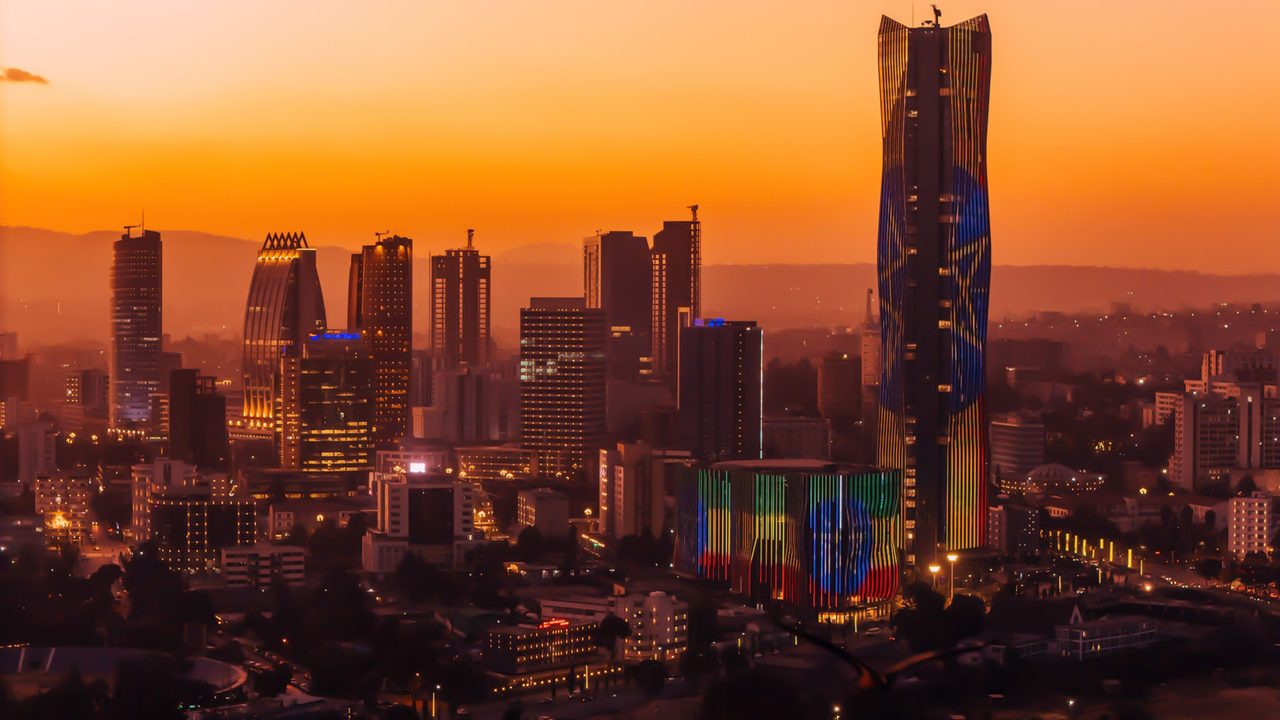
Ethiopia, the cradle of humanity, offers travelers an extraordinary blend of ancient history, dramatic landscapes, and vibrant culture. From the rock-hewn churches of Lalibela to the Simien Mountains' jagged peaks, this East African nation captivates with its UNESCO World Heritage sites, unique wildlife, and the birthplace of coffee.
Ethiopia, the cradle of humanity, offers travelers an extraordinary blend of ancient history, dramatic landscapes, and vibrant culture. From the rock-hewn churches of Lalibela to the Simien Mountains' jagged peaks, this East African nation captivates with its UNESCO World Heritage sites, unique wildlife, and the birthplace of coffee.
Capital
Addis Ababa
Largest city
Addis Ababa
Population
130 million (2024 est.)
Languages
Amharic (official), Oromo, Tigrinya, Somali, English (widely spoken in cities)
The 26 destinations our editors recommend — from iconic landmarks to under-the-radar finds.
Rock-Hewn Churches of Lalibela
Eleven monolithic churches carved from solid rock in the 12th century, considered the 'New Jerusalem' of Ethiopian Christianity. These architectural marvels remain active places of worship and are Ethiopia's most iconic attraction. The Church of St. George (Bet Giyorgis) is the most famous, carved in the shape of a cross.
Simien Mountains National Park
A UNESCO World Heritage Site featuring dramatic jagged peaks, deep valleys, and unique wildlife including endemic gelada baboons, Ethiopian wolves, and Walia ibex. The landscape is often called the 'Roof of Africa' with peaks reaching over 4,500 meters. Trekking routes range from day hikes to multi-day expeditions.
Axum Obelisks and Ancient Ruins
The ancient capital of the Axumite Empire, featuring towering stone obelisks (stelae) dating back 1,700 years. The largest standing obelisk is 24 meters tall. The site includes royal tombs, palace ruins, and the Church of Our Lady Mary of Zion, believed to house the Ark of the Covenant.
Danakil Depression
One of the hottest and lowest places on Earth, featuring otherworldly landscapes including sulfur springs, salt flats, lava lakes, and colorful mineral deposits at Dallol. The Erta Ale volcano has a persistent lava lake. This extreme environment offers unparalleled geological wonders but requires organized tours.
Lake Tana and Blue Nile Falls
Ethiopia's largest lake, source of the Blue Nile, dotted with islands containing ancient monasteries from the 14th-17th centuries. Boat tours visit monasteries with beautiful frescoes and religious treasures. Nearby Blue Nile Falls (Tis Issat) cascade 45 meters during rainy season.
Harar Jugol (Old Walled City)
A UNESCO World Heritage walled city with 82 mosques and 102 shrines, considered the fourth holiest city in Islam. The historic walled city (Jugol) features narrow alleyways, colorful markets, and traditional Harari houses. Famous for the nightly hyena feeding tradition outside the walls.
Recommended itineraries
Pick a length, follow the route. Each itinerary balances headline sights with breathing room.
5-Day Ethiopia Explorer
Day 1Arrive in Ethiopia, explore city center
Day 2Visit top attractions and museums
Day 3Day trip to nearby highlights
Day 4Local markets and hidden gems
Day 5Final sightseeing, departure
7-Day Classic Ethiopia
Days 1-2Ethiopia city highlights
Days 3-4Regional exploration
Days 5-6Cultural immersion and local experiences
Day 7Return and departure
14-Day Ultimate Ethiopia
Days 1-3Ethiopia comprehensive city tour
Days 4-6Northern region exploration
Days 7-9Eastern highlights
Days 10-12Southern attractions
Days 13-14Return to Ethiopia, departure
Where to stay in Ethiopia
Three tiers, every traveller covered — from cost-conscious to flagship hotels.
Budget $20-30
Hostels, budget hotels, and guesthouses offer affordable stays without sacrificing experience.
Mid-range $60-100
Boutique hotels and well-located accommodations provide comfort and convenience at reasonable prices.
Luxury $200-400+
World-class resorts and premium hotels deliver unforgettable experiences.
Sheraton Addis
Addis Ababa · $250-400
Addis Ababa's premier luxury hotel with elegant rooms, multiple restaurants, sprawling gardens, and exceptional service. Features Africa's largest hotel swimming pool, spa, tennis courts, and panoramic city views. The property exudes classic grandeur and hosts diplomats and business travelers.
Comfortable business hotel in the heart of Addis Ababa near the National Museum and Meskel Square. Clean, modern rooms with good amenities, helpful staff, and reliable WiFi. Popular with NGO workers and business travelers seeking good value.
Historic budget hotel built in 1907, Ethiopia's oldest hotel with loads of character. Basic but clean rooms, central location near Piazza, and charming old-world atmosphere. The atmospheric restaurant serves traditional Ethiopian food in a historic setting.
Luxurious lakeside resort featuring private villas, infinity pool overlooking the crater lake, and world-class spa facilities. Set in serene natural surroundings just an hour from Addis Ababa, it's perfect for romantic getaways and relaxation. Modern African design with exceptional dining.
Cafés, neighbourhood gems, and tasting menus worth the table reservation.
Yod Abyssinia Traditional Restaurant
Traditional Ethiopian · $$$
Addis Ababa's premier cultural dining experience featuring traditional Ethiopian cuisine with live music and dancing performances. Enjoy authentic dishes served on injera while watching traditional Azmari musicians and energetic Ethiopian dance shows. Reservations essential for evening shows.
Kategna Restaurant
Traditional Ethiopian · $$
Popular traditional Ethiopian restaurant serving authentic home-style cooking in a cozy atmosphere. Known for excellent vegetarian platters, quality meat dishes, and friendly service. No alcohol served. Great value for money.
2000 Habesha Cultural Restaurant
Traditional Ethiopian · $$
Casual spot popular with locals for authentic Ethiopian food at fair prices. Simple decor but generous portions and friendly atmosphere. Try the raw meat specialties if adventurous.
Mercato Street Food Vendors
Ethiopian Street Food · $
Africa's largest open-air market offers countless street food stalls. Try sambusas, roasted corn, boiled eggs with berbere spice, and fresh fruit juices. Navigate carefully and eat at busy stalls.
Tomoca Coffee - Wawel Branch
Coffee & Light Bites · $
Modern branch of the legendary Tomoca roastery offering excellent coffee in a more spacious setting. Great for laptop work with reliable WiFi. Still roasts beans on-site daily.
Antica Restaurant
Italian · $$$
Upscale Italian restaurant in a beautifully restored historic villa with elegant colonial-era ambiance. Serves authentic Italian cuisine with imported ingredients, extensive wine list, and impeccable service. Garden seating available.
Getting around Ethiopia
Transportation options in Ethiopia include local buses, taxis, and rental cars. Check local conditions before planning your travel.
Budget breakdown
Daily spend by tier in USD, broken out by category.
$6-10 (local restaurants, street food, one splurge meal)
$20-30 (mix of local and tourist restaurants, cafes)
$60-100 (fine dining, hotel restaurants, international cuisine)
Transportation
$2-4 (public minibuses, some taxis)
$10-15 (taxis, some domestic flights, tour vehicles)
$40-80 (private drivers, domestic flights, car rental)
Activities
$4-6 (some site entrance fees, budget experiences)
$15-25 (entrance fees, guides, occasional tours)
$50-100 (private guides, special experiences, helicopter tours)
Daily total
$20-30
$60-100
$200-400+
Best time to visit Ethiopia
Weather through the year in Ethiopia
Best timeShoulderWorth avoiding
Average daytime temperature in °C. Figures are for Ethiopia.
October to January (dry season, ideal for trekking and festivals)
Essential travel tips
Research visa requirements before your trip
Learn a few basic phrases in the local language
Carry cash as cards may not be accepted everywhere
Respect local customs and dress codes
Purchase travel insurance before departure
Hidden gems
Off-the-beaten-path corners most travellers miss.
Wenchi Crater Lake
Stunning volcanic crater lake at 3,000m altitude surrounded by lush forests, hot springs, and an island monastery. Horse trekking around the rim, boat trips to Cherkos Monastery, and pristine natural beauty just 3 hours from Addis Ababa. Far less visited than other Ethiopian attractions but equally spectacular.
Sof Omar Caves
Africa's most extensive cave system with over 15 km of passages carved by the Web River through limestone formations. Sacred pilgrimage site for both Muslims and Christians. Massive chambers, natural bridges, stalactites and stalagmites create otherworldly underground cathedral. Rarely visited due to remote location in Bale region.
Yeha Temple
Pre-Axumite temple dating to 700 BCE, Ethiopia's oldest standing structure. Precisely fitted stone walls 12 meters high built without mortar demonstrate advanced ancient engineering. Adjacent monastery contains ancient manuscripts. Peaceful setting with few tourists compared to Axum.
Chebera Churchura National Park
Remote wilderness protecting one of Ethiopia's largest elephant populations plus buffalo, hippos, and lions. Dense forests and pristine rivers create authentic wilderness experience. Virtually no tourists visit this gem in southwestern Ethiopia, offering solitude impossible at Simien or Bale Mountains.
Debre Damo Monastery
6th-century cliff-top monastery accessible only by climbing 15-meter rope up sheer cliff. One of Ethiopia's oldest monasteries with ancient manuscripts and frescoes. Only men permitted. Unique adventure combining history, religion, and adrenaline. Few tourists make the effort.
Abune Yosef Mountain
Ethiopia's fourth-highest peak at 4,260m offering dramatic landscapes similar to Simien Mountains but with almost no tourists
Tigray Rock Churches Circuit
Lesser-known cluster of ancient rock churches requiring adventurous climbing up cliff faces
Konso Cultural Landscape
UNESCO World Heritage terraced hillsides cultivated for 400+ years by Konso people
Safety information
INFO
Register with your embassy traveler program before arrival.
INFO
Avoid demonstrations, political gatherings, and large protests — situations can escalate quickly.
INFO
Hire reputable, licensed guides for travel outside Addis Ababa; kidnapping risks exist near some borders.
INFO
Keep copies of your passport, visa, and travel insurance separate from originals.
INFO
Be alert to petty theft and bag-snatching in crowded markets, bus stations, and Merkato.
INFO
Check regional security updates from your government before visiting Tigray, Afar, Oromia border areas, or the Somali Region.
INFO
Carry your yellow fever vaccination certificate — it is required for entry.
INFO
Drink only bottled or boiled water; avoid raw salads and unpeeled fruit from street stalls.
INFO
Altitude sickness is possible in Addis Ababa (2,355 m) and the Simien Mountains (4,550 m) — acclimatize slowly.
INFO
Photography of military installations, government buildings, airports, and bridges is strictly prohibited.
INFO
Dress modestly when visiting churches and monasteries — women must cover head and shoulders; remove shoes before entering.
INFO
Use licensed taxis or the RIDE app rather than unmarked vehicles, especially at night.
Frequently asked questions
Is Ethiopia safe to visit in 2026?
Ethiopia is generally safe for tourists in Addis Ababa and the main historic north circuit (Lalibela, Gondar, Axum), but significant security concerns exist in border regions, parts of Tigray, Oromia, Afar, and the Somali Region. Most travelers experience friendly, welcoming interactions with no security incidents. Emergency services: police at 91 or 911, medical at 907 (Red Cross) or 92.
What is the best time to visit Ethiopia?
The best time to visit Ethiopia is October to January (dry season, ideal for trekking and festivals). Ethiopia has a diverse climate shaped by altitude rather than latitude. The highlands (Addis Ababa at 2,355m, Lalibela at 2,500m, Simien Mountains above 3,000m) enjoy a mild year-round temperature of
Do I need a visa to visit Ethiopia?
E-visa available online for 30 or 90 days, or visa on arrival at Bole International Airport. Passport must be valid for 6 months from entry date. Requirements vary by nationality, so check with your nearest embassy or the official immigration website before traveling.
What currency is used in Ethiopia?
The currency in Ethiopia is the Ethiopian Birr (ETB) (ETB). ATMs are widely available in cities and tourist areas. Credit cards are accepted at most hotels and restaurants, but carry cash for markets and smaller establishments.
What language is spoken in Ethiopia?
The main language(s) spoken in Ethiopia: Amharic (official), Oromo, Tigrinya. In tourist areas, English is generally understood. Learning a few basic phrases in the local language is appreciated by locals.
What are the top attractions in Ethiopia?
The top attractions in Ethiopia include Rock-Hewn Churches of Lalibela, Simien Mountains National Park, Axum Obelisks and Ancient Ruins, Danakil Depression, and Lake Tana and Blue Nile Falls. Each offers a unique experience, from historic landmarks to natural wonders.