West Africa · 27 Places · Best November to March (dry season)
Benin
Benin is a vibrant West African nation renowned as the birthplace of Voodoo, offering rich cultural heritage, fascinating historical sites from the slave trade era, and diverse landscapes from coastal beaches to northern national parks. Experience authentic African culture in this welcoming and relatively undiscovered destination.
Benin is a vibrant West African nation renowned as the birthplace of Voodoo, offering rich cultural heritage, fascinating historical sites from the slave trade era, and diverse landscapes from coastal beaches to northern national parks. Experience authentic African culture in this welcoming and relatively undiscovered destination.
The 27 destinations our editors recommend — from iconic landmarks to under-the-radar finds.
Royal Palaces of Abomey
UNESCO World Heritage Site featuring the former royal palaces of the Kingdom of Dahomey, which ruled from 1600 to 1894. The complex contains museums with artifacts, thrones, royal treasures, and bas-reliefs depicting the kingdom's history.
Ganvié Stilt Village
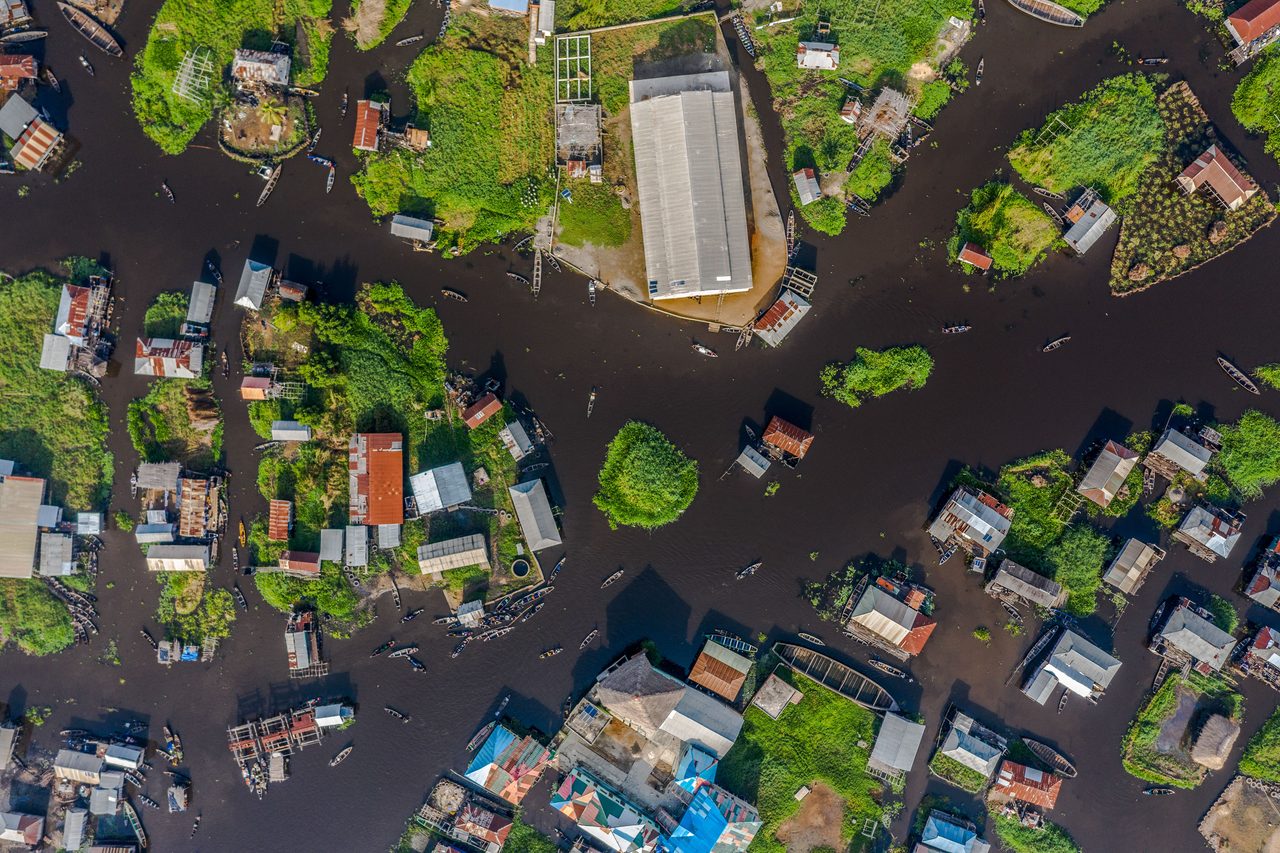
Africa's largest lake village built entirely on stilts in Lake Nokoué. Home to around 20,000 people of the Tofinu ethnic group, this floating community was established in the 16th-17th centuries. Access is only by pirogue (traditional canoe).
Door of No Return
Powerful memorial marking the final point where enslaved Africans left their homeland during the transatlantic slave trade. Part of the Slave Route in Ouidah, this haunting monument stands on the beach where captives were loaded onto ships.
Pendjari National Park
One of West Africa's premier wildlife reserves, home to elephants, lions, leopards, cheetahs, hippos, crocodiles, and over 300 bird species. Part of the larger W-Arly-Pendjari Complex, a UNESCO Biosphere Reserve.
Dantokpa Market
One of West Africa's largest open-air markets, covering over 20 hectares in central Cotonou. A chaotic, vibrant hub selling everything from produce and textiles to electronics and Voodoo fetishes.
Temple of Pythons
Sacred Voodoo temple housing dozens of royal pythons, revered as sacred animals in Benin's Voodoo tradition. Visitors can observe, touch, and photograph these non-venomous snakes while learning about Voodoo beliefs.
Recommended itineraries
Pick a length, follow the route. Each itinerary balances headline sights with breathing room.
5-Day Benin Explorer
Day 1Arrive in Benin, explore city center
Day 2Visit top attractions and museums
Day 3Day trip to nearby highlights
Day 4Local markets and hidden gems
Day 5Final sightseeing, departure
7-Day Classic Benin
Days 1-2Benin city highlights
Days 3-4Regional exploration
Days 5-6Cultural immersion and local experiences
Day 7Return and departure
14-Day Ultimate Benin
Days 1-3Benin comprehensive city tour
Days 4-6Northern region exploration
Days 7-9Eastern highlights
Days 10-12Southern attractions
Days 13-14Return to Benin, departure
Where to stay in Benin
Three tiers, every traveller covered — from cost-conscious to flagship hotels.
Budget $20-35
Hostels, budget hotels, and guesthouses offer affordable stays without sacrificing experience.
Mid-range $60-100
Boutique hotels and well-located accommodations provide comfort and convenience at reasonable prices.
Luxury $180-300+
World-class resorts and premium hotels deliver unforgettable experiences.
Sofitel Cotonou Marina Hotel & Spa
Cotonou · $180-280
Premier 5-star beachfront hotel featuring modern rooms, private beach, infinity pool, spa, fitness center, and multiple restaurants. International standard luxury with West African hospitality in central Cotonou.
Reliable 3-star hotel with standardized modern rooms, restaurant, bar, and central location. Good value international chain hotel with consistent quality and service.
Basic budget hotel near central market with simple clean rooms, restaurant, bar, and secure parking. No-frills accommodation in convenient location for exploring Cotonou.
Modern 4-star hotel with contemporary African design, rooftop pool, international restaurant, business facilities, and central location. Part of AccorHotels group with reliable international standards.
Cafés, neighbourhood gems, and tasting menus worth the table reservation.
Le Jardin de l'Amandier
French-African fusion · $$$
Chez Clarisse
Beninese traditional · $
Le Bec Fin
French brasserie · $$$
Restaurant Le Cowrie
West African seafood · $$
Maquis La Detente
Local Beninese · $
Le Recade
Pan-African contemporary · $$$
Getting around Benin
Transportation options in Benin include local buses, taxis, and rental cars. Check local conditions before planning your travel.
Budget breakdown
Daily spend by tier in USD, broken out by category.
Category
Budget
Mid-range
Luxury
Accommodation
$10-18 (budget hotel or guesthouse)
$35-60 (mid-range hotel with AC and breakfast)
$120-200+ (4-5 star hotels, beachfront resorts)
Food (per day)
$5-10 (street food, local restaurants, market snacks)
$15-25 (mix of local restaurants and nicer dining)
$40-70 (fine dining, hotel restaurants, imported items)
Transportation
$2-4 (zemidjans, shared taxis, local buses)
$5-10 (private taxis, occasional car rental)
$15-25 (private car rental or driver)
Activities
$3-5 (some attractions free, budget for occasional entry fees)
$10-20 (entrance fees, guided tours)
$25-50+ (private guides, special experiences, safaris)
Daily total
$20-35
$60-100
$180-300+
Best time to visit Benin
Weather through the year in Benin
Best timeShoulderWorth avoiding
Average daytime temperature in °C. Figures are for Benin.
Essential travel tips
Research visa requirements before your trip
Learn a few basic phrases in the local language
Carry cash as cards may not be accepted everywhere
Respect local customs and dress codes
Purchase travel insurance before departure
Hidden gems
Off-the-beaten-path corners most travellers miss.
Possotomè Lakeside Market
Authentic market on Lake Ahémé where traders arrive by pirogue to sell fresh fish, vegetables, and crafts. Witness traditional water-based commerce away from tourist circuits with genuine local atmosphere and excellent photography opportunities.
Toffo Zangbeto Village
Traditional village where mysterious Voodoo night guardians called Zangbeto perform ceremonies. Colorful rotating cone costumes represent spirits protecting the community. Authentic spiritual experience rarely visited by tourists.
Boukoumbé Tata Somba
Remote mountain region with unique two-story fortified earthen houses (Tata Somba) of the Betamaribe people. Stunning architecture integrated into landscape, traditional culture intact, and dramatic Atakora Mountain scenery.
Taneka Villages
Cluster of traditional Taneka villages in Atakora Mountains maintaining animist traditions and distinctive thatched architecture. Scenic mountain setting with authentic cultural experiences far from typical tourist routes.
Adjarra
Small town between Cotonou and Porto-Novo known for traditional pottery making. Watch women create beautiful terracotta water jugs and cooking pots using ancient techniques. Authentic craft experience without tourist crowds.
Colline de Natitingou
Hike up before dawn for 360-degree views over the Atakora Mountains and valleys. Bring a local guide as paths can be unclear.
Natitingou, Atakora Department
Ancien Pont Panorama
Stand on the western railing for views of fishing pirogues on the lagoon at sunrise - beautiful light and local activity without any crowds.
Cotonou, over Lagos Lagoon
Donga Valley Viewpoint
Rent a motorcycle from Djougou to reach hilltop tracks above the Donga Valley. Views extend into Togo on clear days. Bring water and inform your guesthouse of your route.
Near Djougou, Donga Department
Ghanvie Lake Nokoue at Dawn
Arrange with your pirogue operator the evening before to depart before sunrise. The mist on the lake, silhouetted stilt houses, and fishermen setting out create one of West Africa's most atmospheric dawn scenes.
Lake Nokoue, Abomey-Calavi
Fidjrosse Beach Sunrise
Fishermen haul in their morning catch at this hour; the ocean light is spectacular and far fewer people than later in the day. Walk 2km east along the beach for the quietest spots.
Fidjrosse, Cotonou
Boucle de Pendjari Viewpoint
Park rangers can take you to an elevated termite mound overlooking the Pendjari River floodplain. Buffalo and elephant herds often gather at the water's edge at dusk.
Pendjari National Park, near Batia camp
Grand Popo Beach
The widest stretch of beach in Benin faces due west - sunsets here over the Atlantic are stunning. Walk 15 minutes west of the main village to reach a completely deserted section.
Grand Popo, Mono Department
Safety information
INFO
Avoid travel north of Kandi and Tanguieta near borders with Burkina Faso, Niger, and Nigeria due to active jihadist insurgency
INFO
Do not drive outside cities after dark - roads are poorly lit, unmarked, and livestock often stray onto roads
INFO
Be cautious at Dantokpa Market between dusk and dawn - pickpockets and opportunistic crime increase at night
INFO
Register with your embassy via STEP (Smart Traveler Enrollment Program) or your country's equivalent before and during travel
INFO
Avoid demonstrations and large gatherings, including political rallies - situations can escalate quickly
INFO
Beware of internet romance and financial scams targeting foreigners - common in West Africa
INFO
Take antimalarial prophylaxis and sleep under treated mosquito nets - malaria is prevalent year-round
INFO
Carry a photocopy of your passport at all times; police checkpoints are common and you must show ID
INFO
Use only licensed taxis or app-based services (Gozem, O'Taxi) - negotiate price clearly before entering any vehicle
INFO
Do not photograph military installations, government buildings, ports, or police checkpoints - risk of arrest
INFO
Drink only bottled or purified water; avoid ice in drinks at local establishments
INFO
Confirm your yellow fever vaccination certificate is valid and accessible - it is checked at border entry
Frequently asked questions
Is Benin safe to visit in 2026?
Benin is one of West Africa's more stable and traveler-friendly countries. Cotonou and major cities are generally safe for tourists with normal precautions. The main risks are petty crime in crowded markets, road accidents, tropical diseases (particularly malaria), and a serious jihadist threat in the far north near Burkina Faso and Niger borders. Emergency services: police at 117, medical at 112.
What is the best time to visit Benin?
The best time to visit Benin is November to March (dry season). Benin has a tropical climate with two distinct seasons in the south and a single dry/wet pattern in the north. The south (including Cotonou) has a short dry season (November-March) and a long rainy se
Do I need a visa to visit Benin?
eVisa required - apply online at least 10 business days before travel, valid for 30-90 days. Yellow fever vaccination certificate mandatory. Requirements vary by nationality, so check with your nearest embassy or the official immigration website before traveling.
What currency is used in Benin?
The currency in Benin is the West African CFA Franc (XOF) (XOF). ATMs are widely available in cities and tourist areas. Credit cards are accepted at most hotels and restaurants, but carry cash for markets and smaller establishments.
What language is spoken in Benin?
The main language(s) spoken in Benin: French (official), Fon, Yoruba. In tourist areas, English is generally understood. Learning a few basic phrases in the local language is appreciated by locals.
What are the top attractions in Benin?
The top attractions in Benin include Royal Palaces of Abomey, Ganvié Stilt Village, Door of No Return, Pendjari National Park, and Dantokpa Market. Each offers a unique experience, from historic landmarks to natural wonders.