
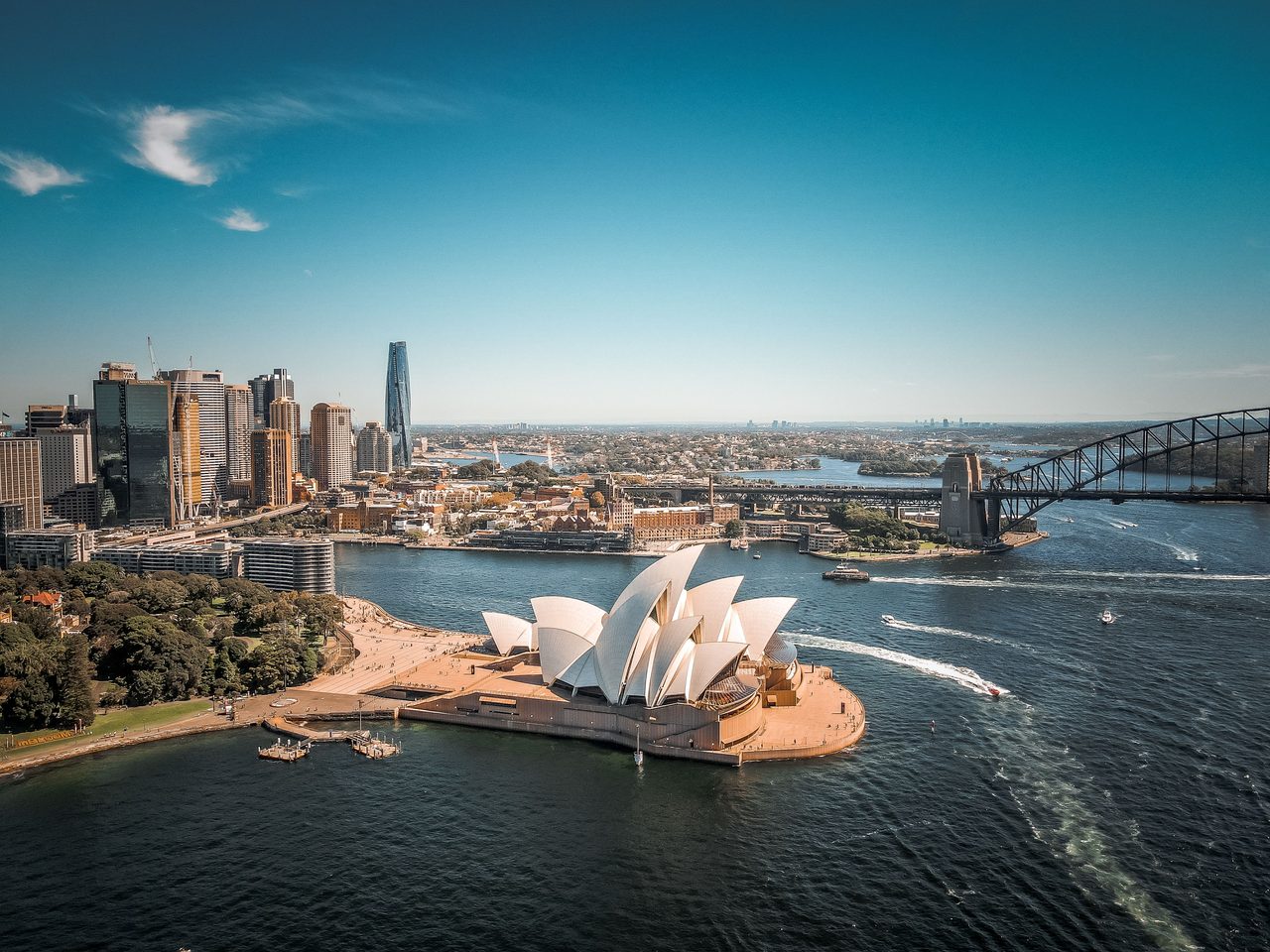
Sydney Opera House
Iconic UNESCO World Heritage Site and architectural masterpiece overlooking Sydney Harbour. Take a guided tour to explore the performance halls, or attend a world-class opera, ballet, or concert performance.
Oceania · 32 Places · Best December-February (summer)
Australia is a vast island continent known for its stunning natural wonders, from the Great Barrier Reef to the Outback's red deserts. With vibrant cosmopolitan cities like Sydney and Melbourne, unique wildlife including kangaroos and koalas, and world-class beaches, Australia offers diverse experiences for every traveler.
Australia is a vast island continent known for its stunning natural wonders, from the Great Barrier Reef to the Outback's red deserts. With vibrant cosmopolitan cities like Sydney and Melbourne, unique wildlife including kangaroos and koalas, and world-class beaches, Australia offers diverse experiences for every traveler.
Jump straight to the experience you're planning.
The 32 destinations our editors recommend — from iconic landmarks to under-the-radar finds.
Iconic UNESCO World Heritage Site and architectural masterpiece overlooking Sydney Harbour. Take a guided tour to explore the performance halls, or attend a world-class opera, ballet, or concert performance.
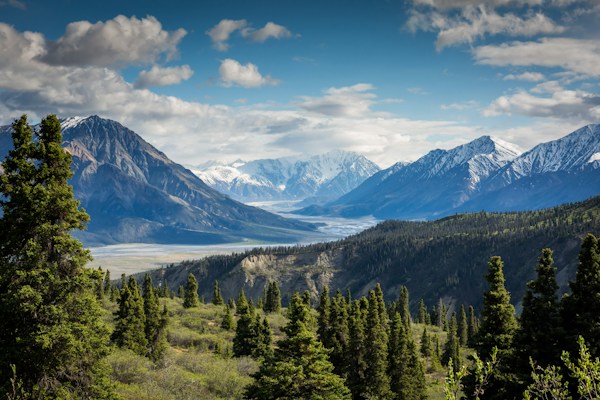
The world's largest coral reef system spanning over 2,300 kilometers with incredible marine biodiversity. Snorkel or dive among vibrant corals, tropical fish, sea turtles, and manta rays in crystal-clear waters.
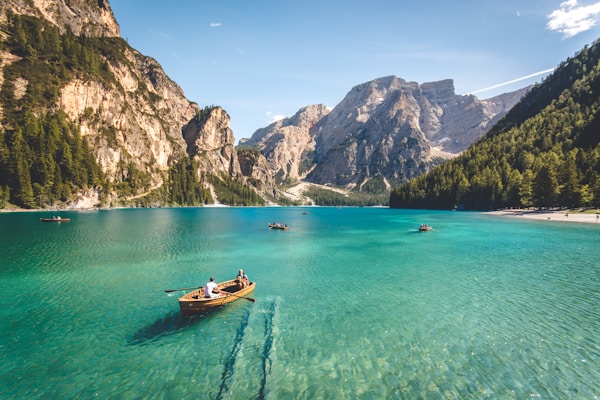
Massive sacred Aboriginal sandstone monolith rising 348 meters from the desert floor, spectacular at sunrise and sunset when it glows brilliant red and orange. Learn about Anangu culture and ancient rock art.

Iconic steel arch bridge offering breathtaking views of Sydney Harbour, Opera House, and city skyline. Walk across for free or do the famous BridgeClimb experience for 360-degree panoramic views.

One of the world's most scenic coastal drives stretching 243 kilometers with dramatic limestone cliffs. The Twelve Apostles rock formations rise majestically from the Southern Ocean, best viewed at sunrise or sunset.

Stunning wilderness area with dramatic cliffs, eucalyptus forests creating blue haze, and the famous Three Sisters rock formation. Enjoy bushwalking, scenic railways, and Aboriginal heritage sites.
Pick a length, follow the route. Each itinerary balances headline sights with breathing room.
Three tiers, every traveller covered — from cost-conscious to flagship hotels.
Hostels, budget hotels, and guesthouses offer affordable stays without sacrificing experience.
Boutique hotels and well-located accommodations provide comfort and convenience at reasonable prices.
World-class resorts and premium hotels deliver unforgettable experiences.
Prestigious waterfront hotel with unparalleled views of Sydney Opera House and Harbour Bridge. Features elegant rooms, rooftop pool, and world-class dining at The Dining Room.
Check rates on Booking.comBoutique design hotel in historic GPO building with quirky art-filled interiors, rooftop Gowings Bar, and central CBD location. Modern Australian hospitality with character.
Check rates on Booking.comModern hostel near Central Station with private rooms and dorms, rooftop terrace, and great social atmosphere. Perfect backpacker base in Sydney's heart.
Check rates on Booking.comExclusive luxury resort on Hamilton Island with private pavilions, infinity pools, and pristine Whitsunday views. Ultimate Great Barrier Reef luxury escape with helicopter transfers available.
Check rates on Booking.comCafés, neighbourhood gems, and tasting menus worth the table reservation.
Three-hatted restaurant with stunning harbour views offering innovative tasting menus featuring native Australian ingredients. One of Australia's most awarded restaurants with breathtaking Opera House vistas.
Buzzing modern Thai restaurant with share-style dining and vibrant flavors. No bookings policy creates lively atmosphere with exceptional Southeast Asian fare.
Original Bills serving legendary breakfast including famous ricotta hotcakes. Relaxed all-day dining with fresh, simple food in Darlinghurst.
Historic Melbourne market with fresh produce, gourmet foods, and international street food stalls. Tuesday to Sunday operation with night market in summer.
Award-winning Sydney roastery and cafe with exceptional single-origin coffee. Minimalist design with expertly crafted espresso and filter coffee.
World-renowned restaurant showcasing native Australian ingredients in inventive preparations. Chef Ben Shewry's creative tasting menus celebrate indigenous flavors and local produce.
Book a food tour in Australia We may earn a commission from bookings made through this link.
Transportation options in Australia include local buses, taxis, and rental cars. Check local conditions before planning your travel.
Daily spend by tier in USD, broken out by category.
| Category | Budget | Mid-range | Luxury |
|---|---|---|---|
| Accommodation | $25-$40 (hostel dorm) | $100-$150 (3-4 star hotel or Airbnb) | $300-$600+ (5-star hotels, luxury resorts) |
| Food (per day) | $25-$35 (supermarket meals, occasional cafe) | $60-$100 (mix of casual dining and restaurants) | $150-$300 (fine dining, premium restaurants) |
| Transportation | $8-$15 (public transport) | $20-$30 (public transport, occasional taxi/Uber) | $50-$100 (taxis, car rentals, private transfers) |
| Activities | $10-$20 (free attractions, occasional paid entry) | $40-$60 (tours, attractions, experiences) | $100-$200+ (premium tours, exclusive experiences) |
| Daily total | $70-$100 | $200-$300 | $500-$1,000+ |
Best time Shoulder Worth avoiding
Average daytime temperature in °C. Figures are for Australia.
Dial Triple Zero (000) for all emergencies or 112 from mobile phones
Be aware of bushfire risks November-February, especially in rural areas — check NSW RFS or CFA apps before day trips
Strong UV index year-round — apply SPF 50+ sunscreen, wear a hat, and stay hydrated; Australia has one of the world's highest skin cancer rates
Swim between the red-and-yellow flags at patrolled beaches and never ignore rip current warnings; rips cause more drowning deaths than sharks
Dangerous wildlife is real — never reach into logs or rock crevices, check shoes before putting them on in rural areas, and back away slowly from snakes
Register your trip with your home country's embassy or use DFAT's TravelSmart app for emergency alerts, especially in remote outback areas
Drink-driving limit is 0.05 BAC nationally — rideshare (Uber, DiDi) is widely available; never drive tired on long outback roads
Saltwater crocodiles inhabit rivers and coastlines in northern Queensland and NT — heed all crocodile warning signs and never swim in unmarked waterways
Box jellyfish and Irukandji jellyfish are dangerous in northern waters October-May — swim only at netted beaches or stinger-protected areas
Carry sufficient water on any outback drive; mobile coverage disappears quickly — consider a satellite device (Garmin inReach) for remote travel
Petrol can be extremely expensive and scarce in the outback — fill up at every opportunity and carry a spare jerry can on remote tracks
Pickpockets target crowded CBD areas and major events in Sydney and Melbourne; use a money belt and keep bags visible
Healthcare is excellent but expensive for visitors — ensure travel insurance covers emergency evacuation, which can cost AU$10,000+ from remote areas
Australian Consumer Law strongly protects tourists; if goods or services are faulty, you have clear statutory refund rights
Australia is one of the world's safest travel destinations with excellent healthcare, rule of law, and low rates of violent crime against tourists. The main risks are environmental rather than human — sun exposure, ocean rip currents, venomous wildlife, and extreme heat in the outback require awareness and preparation. Emergency services: police at 000, medical at 000.
The best time to visit Australia is December-February (summer). Australia's vast size creates remarkably diverse climates across the continent. The tropical north (Queensland, Northern Territory) has two seasons — wet (November-April) and dry (May-October). The te
Electronic Travel Authority (ETA) - Subclass 601 required before arrival. Allows multiple visits up to 3 months each for up to one year. Apply via Australian ETA app. Requirements vary by nationality, so check with your nearest embassy or the official immigration website before traveling.
The currency in Australia is the Australian Dollar (AUD) (AUD). ATMs are widely available in cities and tourist areas. Credit cards are accepted at most hotels and restaurants, but carry cash for markets and smaller establishments.
The main language(s) spoken in Australia: English. In tourist areas, English is generally understood. Learning a few basic phrases in the local language is appreciated by locals.
The top attractions in Australia include Sydney Opera House, Great Barrier Reef, Uluru (Ayers Rock), Sydney Harbour Bridge, and Great Ocean Road & Twelve Apostles. Each offers a unique experience, from historic landmarks to natural wonders.
Each region has its own character — coastal, alpine, vineyard, capital. Pick a starting point.
New South Wales is Australia's oldest and most populous state, home to Sydney, iconic beaches, ancient national parks, and diverse landscapes. From the Blue Mountains to the Hunter Valley wine country, the state offers an extraordinary range of experiences for every type of traveler.
Queensland is Australia's second-largest state, stretching from the subtropical southeast to the tropical north, encompassing the Great Barrier Reef, ancient rainforests, and over 7,000 kilometres of coastline. Known as the Sunshine State, it offers world-class diving, golden beaches, vibrant cities, and extraordinary wildlife experiences.
Victoria is Australia's most compact yet culturally rich state, home to the cosmopolitan city of Melbourne, world-famous Great Ocean Road, and diverse landscapes from the Grampians to alpine regions. The state blends urban sophistication with natural wonders, offering everything from world-class dining to pristine national parks.
Western Australia is Australia's largest state, covering more than one-third of the continent and offering an extraordinary range of landscapes from pristine coral reefs and red outback deserts to verdant wine regions and cosmopolitan coastal cities. Home to Perth, one of the world's most isolated yet vibrant capital cities, Western Australia rewards adventurous travellers with World Heritage sites, unique wildlife, and some of the planet's most spectacular natural wonders.