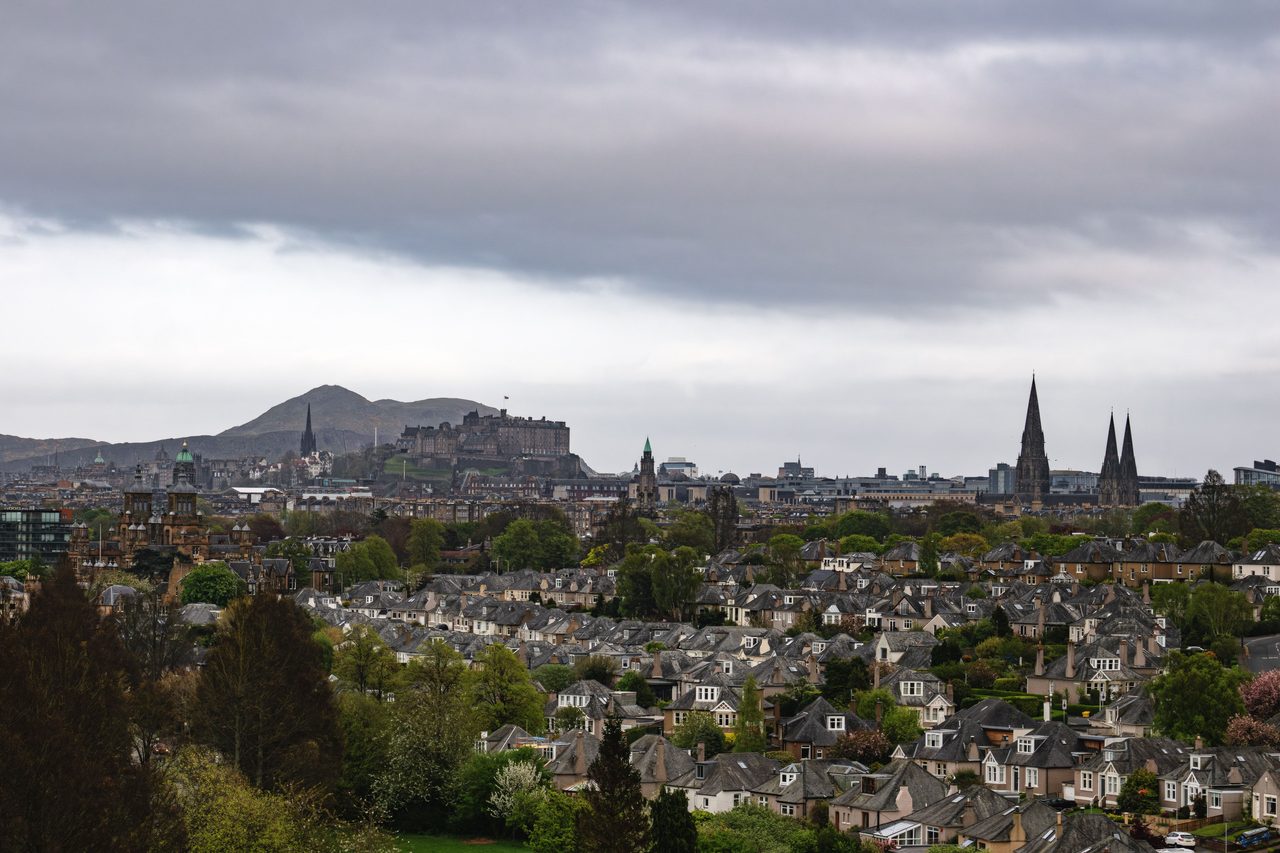
Scotland is a rugged and dramatic country forming the northern third of Great Britain, renowned for its ancient castles, breathtaking Highland landscapes, and vibrant cultural heritage. From the cosmopolitan cities of Edinburgh and Glasgow to the remote beauty of the Isle of Skye and Loch Ness, Scotland offers an extraordinary blend of history, natural wonder, and warm hospitality. Scotland is also celebrated for its world-class whisky distilleries, golf courses, and the distinctive traditions of clan culture and Highland games.
Scotland captivates visitors with its dramatic Highland scenery, ancient castles, world-famous whisky distilleries, and vibrant urban culture in Edinburgh and Glasgow. The country's history spans millennia, from Neolithic stone circles to medieval fortresses and industrial-era cities. Scotland's distinct identity is expressed through its music, language, cuisine, and passionate sporting culture, making it one of Europe's most rewarding destinations.
The 30 destinations our editors recommend — from iconic landmarks to under-the-radar finds.
Edinburgh Castle
Perched dramatically on Castle Rock, a volcanic crag formed 350 million years ago, Edinburgh Castle is Scotland's most iconic landmark and one of the most visited tourist sites in the UK. The fortress contains the Honours of Scotland (the Scottish Crown Jewels), the Stone of Destiny, the National War Museum, and St Margaret's Chapel - the oldest building in Edinburgh. The castle has witnessed over a millennium of Scottish history, from royal births and sieges to imprisonment and military occupation.
Royal Mile
The Royal Mile is Edinburgh's most famous street, stretching approximately one Scots mile (1.8km) from Edinburgh Castle at the top to the Palace of Holyroodhouse at the bottom. It passes through the medieval Old Town and is lined with historic closes (alleyways), traditional pubs, independent shops, and significant historical buildings. The street actually comprises four separate streets: Castlehill, Lawnmarket, High Street, and Canongate.
Arthur's Seat
Arthur's Seat is an ancient volcano rising 251 metres above Edinburgh city centre, forming the centrepiece of Holyrood Park. It offers spectacular 360-degree views across Edinburgh, the Firth of Forth, the Pentland Hills, and on a clear day, the Highlands. The hike to the summit takes about 45-60 minutes from the park entrance and is suitable for most fitness levels. The park also contains Salisbury Crags, Dunsapie Loch, and several ancient hill forts.
Palace of Holyroodhouse
The Palace of Holyroodhouse is the official Scottish residence of the British monarch, situated at the foot of the Royal Mile in Edinburgh. The palace has been the setting for some of the most dramatic moments in Scottish history, including the murder of David Rizzio, secretary to Mary Queen of Scots, in 1566. Visitors can tour the State Apartments, the historic apartments of Mary Queen of Scots, and the ruins of Holyrood Abbey, which dates to 1128.
National Museum of Scotland
The National Museum of Scotland on Chambers Street in Edinburgh is one of Scotland's most popular visitor attractions, housing a vast collection spanning Scottish history, world cultures, science and technology, and the natural world. The museum includes Dolly the sheep (the world's first cloned mammal), the Lewis Chessmen, and extensive exhibits on Scottish industrial history. The Victorian Grand Gallery is particularly impressive. Admission to permanent galleries is free.
Isle of Skye - Old Man of Storr
The Old Man of Storr is a distinctive rocky pinnacle standing 55 metres tall on the Trotternish Ridge of the Isle of Skye. It is one of Scotland's most photographed and recognisable landmarks. The hike from the car park to the pinnacle takes approximately 1-2 hours through moorland and offers extraordinary views across the Sound of Raasay and the mainland Highlands. The surrounding landscape has appeared in numerous films and television productions.
Recommended itineraries
Pick a length, follow the route. Each itinerary balances headline sights with breathing room.
5-Day Scotland Explorer
Day 1Arrive in Scotland, explore city center
Day 2Visit top attractions and museums
Day 3Day trip to nearby highlights
Day 4Local markets and hidden gems
Day 5Final sightseeing, departure
7-Day Classic Scotland
Days 1-2Scotland city highlights
Days 3-4Regional exploration
Days 5-6Cultural immersion and local experiences
Day 7Return and departure
14-Day Ultimate Scotland
Days 1-3Scotland comprehensive city tour
Days 4-6Northern region exploration
Days 7-9Eastern highlights
Days 10-12Southern attractions
Days 13-14Return to Scotland, departure
Where to stay in Scotland
Three tiers, every traveller covered — from cost-conscious to flagship hotels.
Budget £50
Hostels, budget hotels, and guesthouses offer affordable stays without sacrificing experience.
Mid-range £120
Boutique hotels and well-located accommodations provide comfort and convenience at reasonable prices.
Luxury £300+
World-class resorts and premium hotels deliver unforgettable experiences.
The Balmoral Hotel
Edinburgh EH2 2EQ · ££££
Edinburgh's most iconic luxury hotel, housed in the landmark Victorian railway hotel at the east end of Princes Street. The Balmoral's clock is kept 2 minutes fast by tradition so guests never miss their trains. Features the award-winning Number One restaurant, the Michelin-starred signature restaurant, and the Palm Court afternoon tea. Rooms and suites offer views of Edinburgh Castle or the Old Town.
One of the world's great resort hotels, Gleneagles sits in 850 acres of Perthshire countryside. It features three championship golf courses including the King's Course, which hosted the 2014 Ryder Cup. The resort offers exceptional dining including Andrew Fairlie (two Michelin stars - Scotland's only two-star), the WARE leisure complex, equestrian centre, and a wide range of country pursuits. Gleneagles hosted the G8 summit in 2005.
Prestonfield House is a magnificent 17th-century mansion at the foot of Arthur's Seat, set within 20 acres of landscaped grounds with peacocks and Highland cattle. The hotel is lavishly decorated with Jacobean furnishings, antiques, and an atmosphere of theatrical splendour. The award-winning Rhubarb restaurant serves Scottish cuisine in a setting of extraordinary opulence.
The iconic Turnberry resort on the Ayrshire coast is one of Scotland's great golf hotels, home to the legendary Ailsa Championship Course which has hosted the Open Championship four times. The clifftop hotel offers stunning views to Ailsa Craig and the Isle of Arran. The resort features luxurious spa facilities, fine dining, and a range of activities.
Cafés, neighbourhood gems, and tasting menus worth the table reservation.
The Kitchin
Scottish Contemporary · ££££
Tom Kitchin's flagship Michelin-starred restaurant in Leith champions the 'From Nature to Plate' philosophy, using the finest Scottish seasonal ingredients. Since opening in 2006, The Kitchin has held a Michelin star continuously. The menu features Scottish seafood, game, and foraged ingredients presented with French technique. One of Scotland's most celebrated dining experiences.
Restaurant Martin Wishart
French-Scottish · ££££
Martin Wishart's Michelin-starred restaurant on The Shore in Leith is one of Scotland's finest dining experiences. The elegant, intimate restaurant showcases exceptional French-influenced Scottish cuisine using locally sourced, seasonal produce. Known for impeccable service and a superb wine list.
Number One at The Balmoral
Scottish Contemporary · ££££
The flagship restaurant of The Balmoral Hotel, Number One has held a Michelin star since 1999. Chef Stuart Muir creates elegant, contemporary menus celebrating Scottish produce - from Loch Fyne oysters to Highland venison. The sumptuous basement dining room with deep red walls and Art Deco design is among Edinburgh's most glamorous settings.
21212
Modern French · ££££
Paul Kitching's Michelin-starred restaurant in a Georgian townhouse on Royal Terrace is one of Edinburgh's most creative dining experiences. The name refers to the weekly menu format: 2 starters, 1 soup, 2 main courses, 1 pre-dessert, 2 desserts. The cooking is inventive and original, with theatrical presentations and unexpected flavour combinations.
Andrew Fairlie at Gleneagles
Modern Scottish-French · ££££
Scotland's only two Michelin-starred restaurant, located within the legendary Gleneagles Hotel. Chef Andrew Fairlie created one of Europe's great dining experiences with a windowless basement restaurant of extraordinary intimacy and artistry. The menu features the finest Scottish produce - oysters, langoustines, wild salmon, grouse - with impeccable French technique.
The Witchery by the Castle
Scottish · £££
One of Edinburgh's most atmospheric and theatrical restaurants, The Witchery is located in a 16th-century merchant's house at the gates of Edinburgh Castle. The Gothic, candlelit dining rooms are sumptuously decorated with antiques, tapestries, and theatrical flair. The menu focuses on classic Scottish dishes - Aberdeen Angus beef, game, and exceptional seafood.
Scotland has a well-developed transport network connecting its cities by rail and bus, but a car is essential for exploring the Highlands, islands, and more remote areas. The ScotRail network covers most of the country, and Scottish Citylink coaches fill the gaps. For the islands, CalMac ferries provide the vital connections.
Budget breakdown
Daily spend by tier in GBP, broken out by category.
Category
Budget
Mid-range
Luxury
Accommodation
£20
£70
£180
Food (per day)
£15
£30
£80
Transportation
£8
£12
£25
Activities
£7
£18
£40
Daily total
£50
£120
£300+
Best time to visit Scotland
Weather through the year in United Kingdom
Best timeShoulderWorth avoiding
Average daytime temperature in °C. Figures are for United Kingdom.
Essential travel tips
Book accommodation well in advance for the Edinburgh Festival in August
A National Entitlement Card gives free bus travel for eligible visitors
Many Highland roads are single-track - learn the passing place etiquette
Whisky distillery tours are often free or low-cost and include tastings
Hidden gems
Off-the-beaten-path corners most travellers miss.
Smoo Cave
A vast coastal cave system near Durness in Sutherland, accessible by a short walk and boat trip inside the cave
Durness, Sutherland
Birnam Wood
The ancient woodland near Dunkeld associated with Shakespeare's Macbeth, with a 600-year-old oak tree
Birnam, Perthshire
Findlater Castle
Dramatic clifftop ruin near Cullen in Aberdeenshire, reachable only by a coastal walk - almost entirely unknown to tourists
Cullen, Aberdeenshire
Corryvreckan Whirlpool
The world's third largest whirlpool between Jura and Scarba, visible by boat or from clifftops on Jura
Between Jura and Scarba
Beinn Eighe Nature Reserve
Britain's oldest National Nature Reserve with ancient Caledonian pinewoods and mountain walking
Torridon, Wester Ross
Safety information
INFO
Scotland is one of the safest countries in Europe
INFO
Stay on marked hiking trails in the Highlands
INFO
Weather can change rapidly in the mountains - always carry waterproofs
INFO
Be aware of midges (small biting insects) in summer near lochs
Frequently asked questions
Do I need a visa to visit Scotland?
Entry requirements follow United Kingdom rules. EU citizens may visit without a visa for short stays; US, Canadian, Australian citizens do not require a visa for stays up to 6 months. Requirements vary by nationality, so check with your nearest embassy or the official immigration website before traveling.
What currency is used in Scotland?
The currency in Scotland is the British Pound Sterling (GBP). ATMs are widely available in cities and tourist areas. Credit cards are accepted at most hotels and restaurants, but carry cash for markets and smaller establishments.
What language is spoken in Scotland?
The main language(s) spoken in Scotland: English, Scottish Gaelic, Scots. In tourist areas, English is generally understood. Learning a few basic phrases in the local language is appreciated by locals.
What are the top attractions in Scotland?
The top attractions in Scotland include Edinburgh Castle, Royal Mile, Arthur's Seat, Palace of Holyroodhouse, and National Museum of Scotland. Each offers a unique experience, from historic landmarks to natural wonders.
Explore Scotland by city
The cities below have their own guides — hotels, attractions and where to eat, in depth.