
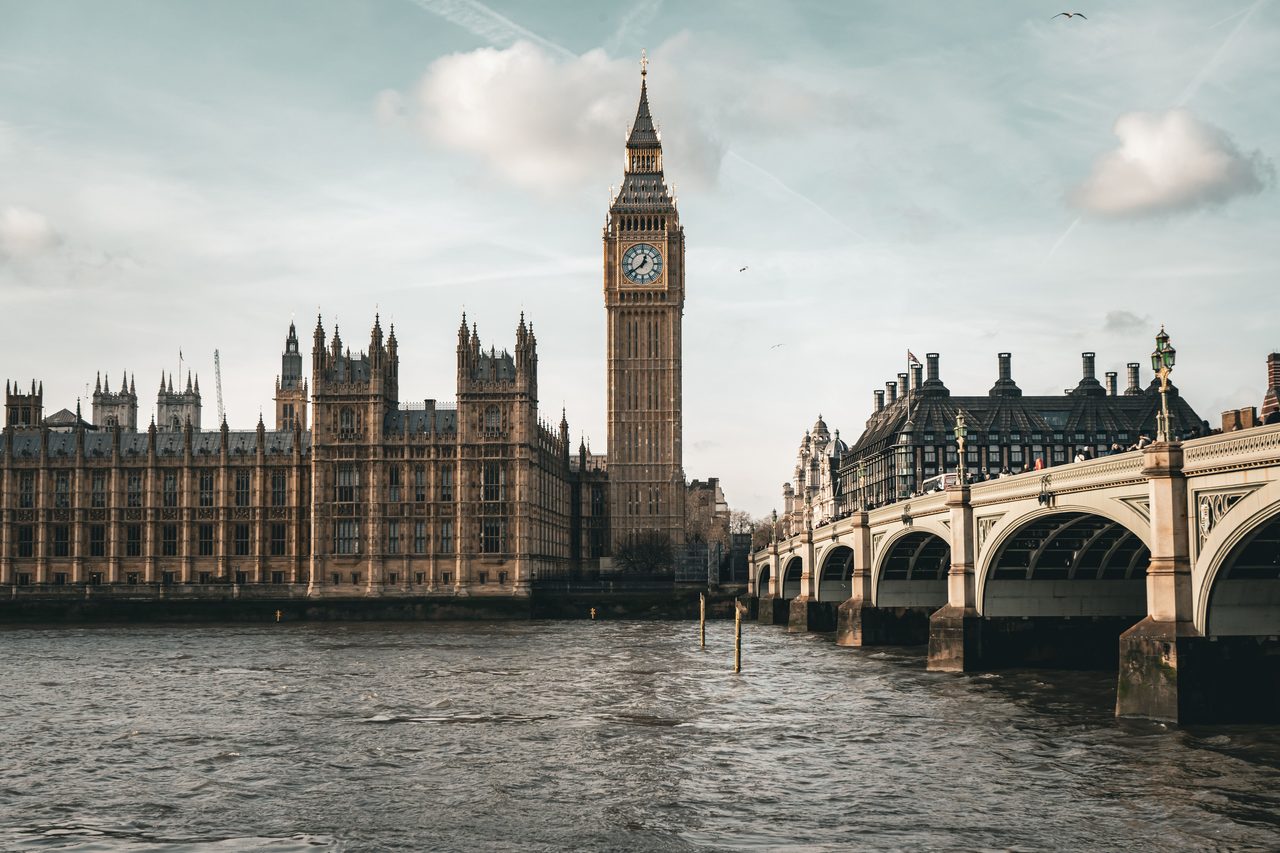
About England
England offers an extraordinary range of experiences within a compact geographical area. London is one of the world's great cosmopolitan cities, while beyond the capital lie medieval university towns like Oxford and Cambridge, the Georgian splendour of Bath, the Beatles heritage of Liverpool, and the vibrant arts scene of Manchester. England's countryside ranges from the dramatic Peak District and Lake District to the rolling Cotswold hills and the wild moorlands of Dartmoor and Exmoor. The English coastline stretches from the white cliffs of Dover to the surf beaches of Cornwall.
Quick Overview
Capital: London
Largest City: London
Population: 56.5 million
Languages: English
Currency: British Pound
Time Zone: GMT/BST (UTC+0 / UTC+1 in summer)
Explore England by Topic
Best Places to Visit in England
Discover the top 27 must-see destinations in England, from iconic landmarks to off-the-beaten-path treasures.
Tower of London
A 900-year-old royal fortress and UNESCO World Heritage Site, the Tower of London served as palace, prison, and place of execution. Today it houses the spectacular Crown Jewels, including the Imperial State Crown and the Koh-i-Noor diamond. Yeoman Warders (Beefeaters) lead entertaining tours around the complex.
Stonehenge
One of the world's most iconic prehistoric monuments, Stonehenge is a ring of massive standing stones erected around 2500 BC. Its exact purpose remains debated but it aligns with the summer solstice sunrise. The surrounding landscape is dotted with burial mounds and Neolithic earthworks. A UNESCO World Heritage Site.
Lake District National Park
England's largest national park and a UNESCO World Heritage Site, the Lake District is a landscape of soaring fells, deep glacial lakes, and charming stone villages. Windermere is England's largest natural lake. The region inspired Romantic poets Wordsworth and Coleridge, and Beatrix Potter wrote here. Offers superb walking, boating, and cycling.
British Museum
The world's first public national museum, the British Museum holds a vast collection of over eight million artefacts spanning two million years of human history and culture. Highlights include the Rosetta Stone, Egyptian mummies, the Elgin Marbles, the Sutton Hoo helmet, and the Lewis Chessmen. The spectacular Great Court is the largest covered public square in Europe.
Buckingham Palace
The official London residence of the British monarch, Buckingham Palace has been the working headquarters of the Royal Family since 1837. Visitors can watch the iconic Changing of the Guard ceremony in the forecourt. The State Rooms are open to the public during summer (August-September). The gardens host summer garden parties for 30,000 guests annually.
Cotswolds
An Area of Outstanding Natural Beauty, the Cotswolds is England's most quintessential countryside, characterised by honey-coloured limestone villages, thatched cottages, ancient churches, and rolling farmland. Key villages include Bourton-on-the-Water, Burford, Chipping Campden, Bibury (with its famous Arlington Row), and Castle Combe, regularly voted England's prettiest village.
Windsor Castle
The world's oldest and largest occupied castle, Windsor Castle has been the home of English monarchs for nearly 1,000 years. Queen Elizabeth II spent many weekends here. Key attractions include St George's Chapel (burial place of many monarchs including Henry VIII and George VI), the magnificent State Apartments, and Queen Mary's Dolls' House. The castle is a working royal palace.
Oxford University
The oldest university in the English-speaking world, Oxford is a city of dreaming spires, ancient colleges, and great libraries. The Bodleian Library, Christ Church College (filmed as Hogwarts in Harry Potter), the Radcliffe Camera, and the Ashmolean Museum are highlights. Punting on the Cherwell and Thames rivers is a quintessentially Oxford experience.
Recommended Itineraries for England
Plan your perfect England trip with our expertly crafted itineraries for every travel style and duration.
5-Day England Explorer
- Day 1: Arrive in England, explore city center
- Day 2: Visit top attractions and museums
- Day 3: Day trip to nearby highlights
- Day 4: Local markets and hidden gems
- Day 5: Final sightseeing, departure
7-Day Classic England
- Days 1-2: England city highlights
- Days 3-4: Regional exploration
- Days 5-6: Cultural immersion and local experiences
- Day 7: Return and departure
14-Day Ultimate England
- Days 1-3: England comprehensive city tour
- Days 4-6: Northern region exploration
- Days 7-9: Eastern highlights
- Days 10-12: Southern attractions
- Days 13-14: Return to England, departure
Where to Stay in England
From luxury resorts to budget-friendly options, England offers accommodations for every traveler.
Budget Options ($60)
Hostels, budget hotels, and guesthouses offer affordable stays without sacrificing experience.
Mid-Range ($150)
Boutique hotels and well-located accommodations provide comfort and convenience at reasonable prices.
Luxury ($400)
World-class resorts and premium hotels deliver unforgettable experiences.
The Savoy
London's most iconic hotel, The Savoy opened in 1889 and has hosted everyone from Monet to Winston Churchill. The Thames-facing rooms have spectacular views, the American Bar is legendary, and Kaspar's Seafood Bar & Grill overlooks the river. The Savoy combines Edwardian opulence with contemporary luxury.
Claridge's
The jewel of Mayfair, Claridge's is one of the world's great Art Deco hotels, frequented by royalty, heads of state, and celebrities. The Foyer afternoon tea is a London institution. Chef Daniel Humm helms Davies and Brook restaurant. The hotel's impeccable service and timeless elegance set it apart.
The Ritz London
Since opening in 1906, The Ritz has embodied the pinnacle of English luxury. Its Louis XVI interior is among the most beautiful in Europe. The Ritz Restaurant overlooks Green Park, the Palm Court hosts perhaps London's most famous afternoon tea, and the casino is one of London's most prestigious. Smart dress is required throughout.
Balmoral Hotel Bath
Set in a Grade I-listed Georgian townhouse on the Royal Crescent, this magnificent hotel captures the essence of Bath's Regency elegance. Each room is individually designed with period antiques and modern comforts. The award-winning restaurant showcases locally sourced West Country produce.
Where to Eat in England
Discover the culinary delights of England, from local street food to fine dining experiences.
The Fat Duck
Heston Blumenthal's legendary three-Michelin-starred restaurant in the village of Bray, widely regarded as one of the world's great restaurants. The tasting menu is a surreal journey of multi-sensory gastronomic innovation, from Sound of the Sea (eaten while listening to ocean waves through a shell) to the famous Snail Porridge. Bookings open months in advance and are virtually impossible to secure.
The Ledbury
Australian chef Brett Graham's two-Michelin-starred restaurant in Notting Hill is one of London's most celebrated fine dining destinations. The menu showcases exceptional British produce with impeccable technique; the flame-grilled mackerel and Brown butter and roe tart with smoked eel are signature dishes. The wine list is magnificent.
St. John Restaurant
Fergus Henderson's pioneering nose-to-tail cooking institution opened in a former smokehouse near Smithfield Market in 1994. It changed the way Britain thinks about food. Roast bone marrow with parsley salad is the signature; offal, chitterlings, and unusual cuts share the menu with superb seasonal British cooking. The wine list is exemplary.
The Clove Club
Set in the handsome Victorian Shoreditch Town Hall, The Clove Club serves a tasting menu of extraordinary modern British cooking from Isaac McHale. The buttermilk fried chicken with pine salt is one of London's most talked-about dishes. The open kitchen creates theatre, and the natural wine list is excellent.
Dinner by Heston Blumenthal
Heston Blumenthal's London restaurant in the Mandarin Oriental, Knightsbridge reimagines historical British recipes with modern culinary techniques. The Meat Fruit (mandarin spherification containing chicken liver parfait) is one of London's most iconic dishes. Each dish comes with historical references from medieval manuscripts.
The Waterside Inn
The Roux family's riverside restaurant in Bray has held three Michelin stars since 1985 - the longest-held three-star rating outside France. The classically French cuisine is served in an idyllic Thames-side setting. Alain Roux continues the family tradition with dishes like foie gras terrine, langoustines, and souffles of extraordinary lightness.
Getting Around England
England has an extensive rail network connecting major cities, with London served by an underground metro system. National Express coaches offer budget travel between cities.
Budget Breakdown for England
Plan your spending with our comprehensive cost guide. Currency: GBP.
| Category | Budget | Mid-Range | Luxury |
|---|---|---|---|
| Accommodation | $25 | $80 | $250 |
| Food (per day) | $20 | $45 | $100 |
| Transportation | $10 | $15 | $30 |
| Activities | $5 | $10 | $20 |
| Daily Total | $60 | $150 | $400 |
Best Time to Visit England
Best Season: Year-round
Peak Season: July and August
June and September offer the best combination of good weather and fewer crowds than peak July-August. Spring (April-May) brings wildflowers and longer days; autumn (September-October) has beautiful foliage.
Essential Travel Tips for England
- Get an Oyster card or contactless payment for London transport
- Book train tickets weeks in advance for best prices
- Many museums and galleries in London are free
- Pubs close earlier than many European bars - last orders typically 11PM
Safety Information
Travel Advisory
England is generally very safe for tourists. Petty theft exists in crowded areas; exercise normal precautions.
Keep wallets, phones, and bags secure in busy tourist areas including London Underground stations, Oxford Street, Piccadilly Circus, Covent Garden, and Camden Market. Use bags that zip closed and keep them in front of you.
Be wary of people asking you to sign petitions, who then demand money. Avoid 'three-card monte' street gambling games which are illegal and rigged. Unofficial 'gold rings found on the pavement' is a well-known scam.
Only use black licensed cabs (which have a Hackney Carriage licence) or reputable ride-sharing apps (Uber, Bolt). Avoid unlicensed minicabs that tout for business outside nightclubs and stations.
In nightlife areas, never leave drinks unattended and be cautious accepting drinks from strangers. 'Spiking' (adding drugs to drinks) occurs occasionally in English cities. If you feel unwell, seek help from bar staff immediately.
England drives on the LEFT. When crossing the road, look RIGHT first (the opposite of most countries). Most crossings are marked 'LOOK RIGHT' and 'LOOK LEFT' on the tarmac. This is one of the most common hazards for visitors.
When walking in upland areas (Lake District, Peak District, Dartmoor, Yorkshire Dales), always carry an OS map, compass, and waterproof clothing. English weather can change rapidly. Tell someone your planned route and expected return time.
Rip currents and strong tides affect English beaches. Only swim at beaches with RNLI lifeguards (indicated by red and yellow flags). The RNLI rescue over 9,000 people from English beaches each year.
England's city centres can become rowdy late on Friday and Saturday nights when pubs close. Stick to well-lit areas, travel in groups where possible, and avoid confrontations with drunk individuals.
Use ATMs at bank branches rather than standalone ATMs in shops. Shield your PIN. Card skimming devices are occasionally placed on isolated ATMs.
Wear a helmet when cycling (not legally required but strongly advised). Use the cycle lane where provided. At night, lights are legally required front and rear.
Large music festivals (Glastonbury, Reading, Leeds, Download) are generally safe but pickpocketing occurs in crowds. Use festival lockers for valuables and register a meeting point with your group.
England can experience flooding in low-lying areas, ice and snow in winter (particularly the Pennines, Lake District, and Dartmoor), and occasional heatwaves in summer. Check Met Office forecasts at metoffice.gov.uk before outdoor activities.
Frequently Asked Questions
What is the best time to visit England?
The best time to visit England is year-round. Check local conditions may have less favorable conditions.
Do I need a visa for England?
Visa requirements vary by nationality. Check with your nearest embassy or consulate for England for current requirements before travel.
How many days do I need in England?
For a comprehensive England experience, we recommend 7-10 days. However, you can have a great trip in 5 days focusing on highlights.
Is England expensive to visit?
Budget travelers can expect $60 per day, mid-range $150, and luxury $400.