
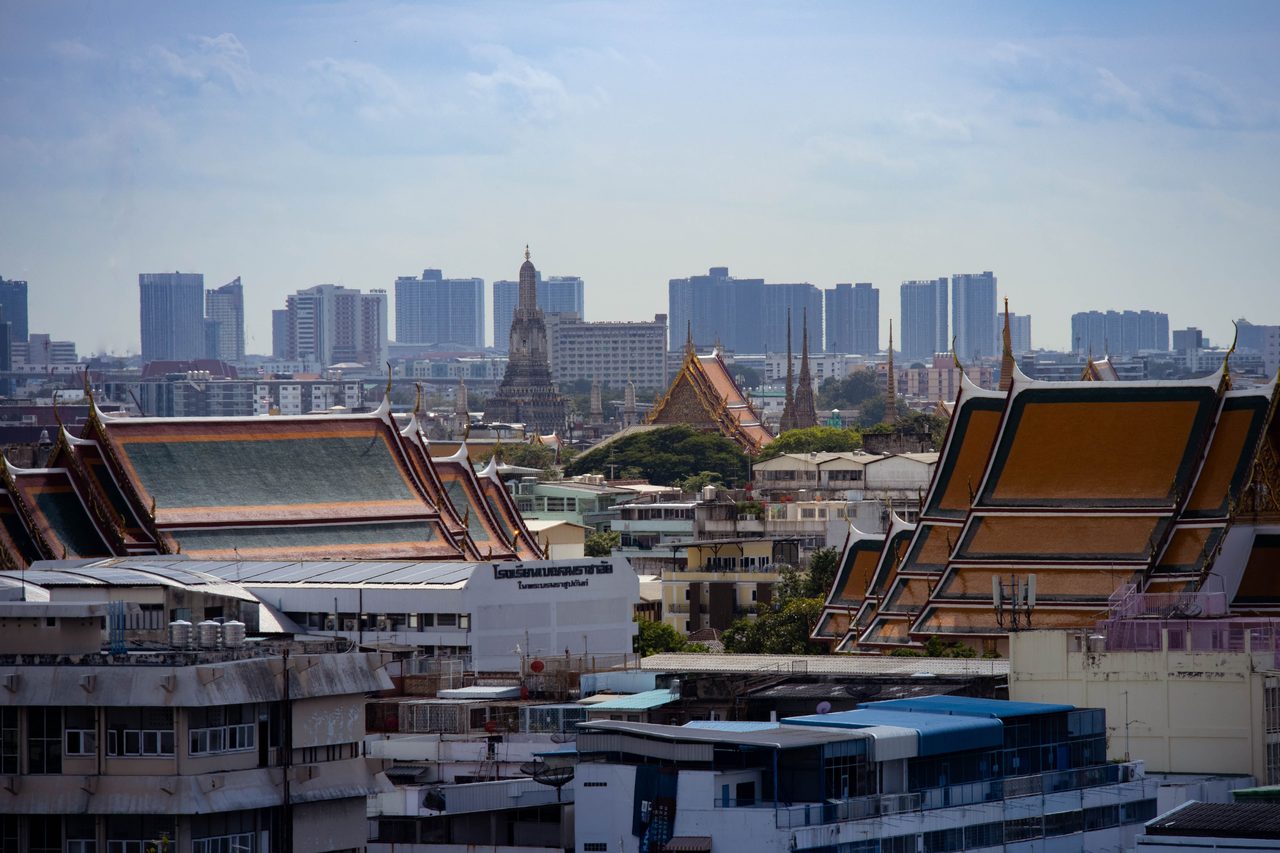
About Bangkok
Bangkok is Thailand's sprawling capital and one of Southeast Asia's most exciting cities, blending traditional Thai culture with ultra-modern urban life. The city is home to magnificent royal palaces, hundreds of Buddhist temples, bustling night markets, world-class malls, and an extraordinary food scene. From the tranquil canals of Thonburi to the neon-lit streets of Sukhumvit, Bangkok offers an endless array of experiences for every type of traveler.
Quick Overview
Capital: Bangkok
Largest City: Bangkok
Population: 10.5 million
Languages: Thai, English
Currency: Thai Baht
Time Zone: Asia/Bangkok (UTC+7)
Explore Bangkok by Topic
Best Places to Visit in Bangkok
Discover the top 0 must-see destinations in Bangkok, from iconic landmarks to off-the-beaten-path treasures.
Recommended Itineraries for Bangkok
Plan your perfect Bangkok trip with our expertly crafted itineraries for every travel style and duration.
5-Day Bangkok Explorer
- Day 1: Arrive in Bangkok, explore city center
- Day 2: Visit top attractions and museums
- Day 3: Day trip to nearby highlights
- Day 4: Local markets and hidden gems
- Day 5: Final sightseeing, departure
7-Day Classic Bangkok
- Days 1-2: Bangkok city highlights
- Days 3-4: Regional exploration
- Days 5-6: Cultural immersion and local experiences
- Day 7: Return and departure
14-Day Ultimate Bangkok
- Days 1-3: Bangkok comprehensive city tour
- Days 4-6: Northern region exploration
- Days 7-9: Eastern highlights
- Days 10-12: Southern attractions
- Days 13-14: Return to Bangkok, departure
Where to Stay in Bangkok
From luxury resorts to budget-friendly options, Bangkok offers accommodations for every traveler.
Budget Options ($30-50)
Hostels, budget hotels, and guesthouses offer affordable stays without sacrificing experience.
Mid-Range ($80-150)
Boutique hotels and well-located accommodations provide comfort and convenience at reasonable prices.
Luxury ($300+)
World-class resorts and premium hotels deliver unforgettable experiences.
Mandarin Oriental Bangkok
Opened in 1876, the Mandarin Oriental Bangkok is one of the world's most legendary hotels and consistently ranked among the finest in Asia. The hotel combines colonial-era elegance with Thai hospitality on the banks of the Chao Phraya River. Highlights include the famous Authors' Lounge where Joseph Conrad and Somerset Maugham once stayed, multiple acclaimed restaurants, and a world-class spa.
The Peninsula Bangkok
The Peninsula Bangkok occupies a prime riverside location in the Charoen Nakhon district and is renowned for its flawless service and spectacular three-tiered pool cascading toward the Chao Phraya River. The hotel's helicopter and speedboat transfers are legendary. All rooms face the river and feature the Peninsula's signature technology-forward design.
Capella Bangkok
Capella Bangkok opened in 2020 in a converted 19th-century colonial building on the Chao Phraya River. The property has only 101 suites and villas, all with private river-facing terraces. The design blends Thai heritage with contemporary luxury. CΓ΄te by Mauro Colagreco is the flagship restaurant, helmed by the Michelin-starred chef.
Rosewood Bangkok
The Rosewood Bangkok towers above Ploenchit Road in a dramatic 30-story building designed with a Thai crown silhouette. The hotel offers some of Bangkok's most contemporary luxury, with an excellent rooftop bar (Lennon's) and the innovative Nan Bei restaurant offering Chinese cuisine. The Sense Rosewood spa is outstanding.
Where to Eat in Bangkok
Discover the culinary delights of Bangkok, from local street food to fine dining experiences.
Jay Fai
Jay Fai is Bangkok's most famous street food vendor and the only street food stall in the world to hold a Michelin star. The 72-year-old proprietor (nicknamed Jay Fai, meaning 'Aunty Fai') has been cooking at this location since the 1970s, wearing her iconic ski goggles to protect from wok smoke. The signature dish is khai jeow poo, a crab omelette stuffed with enormous fresh crab, and the pad kee mao (drunken noodles) is equally legendary.
Nahm
Nahm is one of Bangkok's most acclaimed fine dining restaurants, earning a spot on Asia's 50 Best Restaurants list multiple times. Chef Pim Techamuanvivit now leads the kitchen, continuing the legacy of David Thompson's meticulous exploration of ancient Thai recipes. The menu features elaborate dishes based on 19th-century royal Thai cuisine, with exceptional ingredients and complex flavors.
Bo.lan
Bo.lan is a benchmark of sustainable, organic Thai cooking in Bangkok. Chef-owners Bo (Duangporn Songvisava) and Lan (Dylan Jones) are passionate advocates for traditional Thai ingredients and farming practices. Every dish is made from scratch using organic, locally-sourced ingredients. The restaurant has consistently featured on Asia's 50 Best Restaurants list.
Gaggan Anand
Gaggan Anand's eponymous restaurant is one of the most celebrated in Asia, repeatedly named Asia's Best Restaurant. Chef Gaggan presents a 25-course emoji tasting menu that reinterprets Indian cuisine through progressive techniques. The intimate 14-seat restaurant creates an extraordinary theatrical dining experience that might be the most unique meal you'll have in Asia.
Thip Samai
Thip Samai has been serving what many consider Bangkok's finest Pad Thai since 1966. The restaurant is famous for its 'superb' Pad Thai (wrapped in an egg net) and fresh-squeezed orange juice. Nightly queues are long but move quickly. The original owner's recipe using thin rice noodles, quality shrimp, and a wood-fired wok has never changed.
Chote Chitr
Chote Chitr is a beloved family-run restaurant that has been serving traditional central Thai cuisine for three generations. The tiny restaurant near Democracy Monument is known for its miang kham (betel leaf wraps), yam mamuang (green mango salad), and various curries prepared from family recipes. Praised by food writers and chefs as one of the most authentic Thai restaurants in Bangkok.
Getting Around Bangkok
Bangkok has a comprehensive and affordable public transport system, though the infamous traffic can make road travel very slow at peak times. The BTS Skytrain and MRT subway are the fastest ways to get around the city. Taxis and Grab (ride-hailing) are affordable and widely available. The Chao Phraya River provides scenic transport through the historic heart of the city.
Budget Breakdown for Bangkok
Plan your spending with our comprehensive cost guide. Currency: THB.
| Category | Budget | Mid-Range | Luxury |
|---|---|---|---|
| Accommodation | $10-20 | $40-80 | $150-400 |
| Food (per day) | $8-12 | $20-35 | $50-100 |
| Transportation | $3-5 | $10-15 | $30-50 |
| Activities | $5-10 | $15-25 | $50-100 |
| Daily Total | $30-50 | $80-150 | $300+ |
Best Time to Visit Bangkok
Best Season: November to February
Peak Season: December to January
Avoid: April to May (extreme heat), September to October (heavy rains)
Essential Travel Tips for Bangkok
- Get a Rabbit Card for BTS Skytrain rides
- Visit temples early morning to avoid crowds and heat
- Dress modestly when visiting temples (cover shoulders and knees)
- Try street food from busy stalls with high turnover for freshness
- Download Grab app for reliable, affordable transport
Safety Information
Travel Advisory
Bangkok is generally safe for tourists. Exercise normal precautions, be aware of common scams, and avoid political demonstrations.
Frequently Asked Questions
What is the best time to visit Bangkok?
The best time to visit Bangkok is November to February. April to May (extreme heat), September to October (heavy rains) may have less favorable conditions.
Do I need a visa for Bangkok?
Visa requirements vary by nationality. Check with your nearest embassy or consulate for Bangkok for current requirements before travel.
How many days do I need in Bangkok?
For a comprehensive Bangkok experience, we recommend 7-10 days. However, you can have a great trip in 5 days focusing on highlights.
Is Bangkok expensive to visit?
Budget travelers can expect $30-50 per day, mid-range $80-150, and luxury $300+.