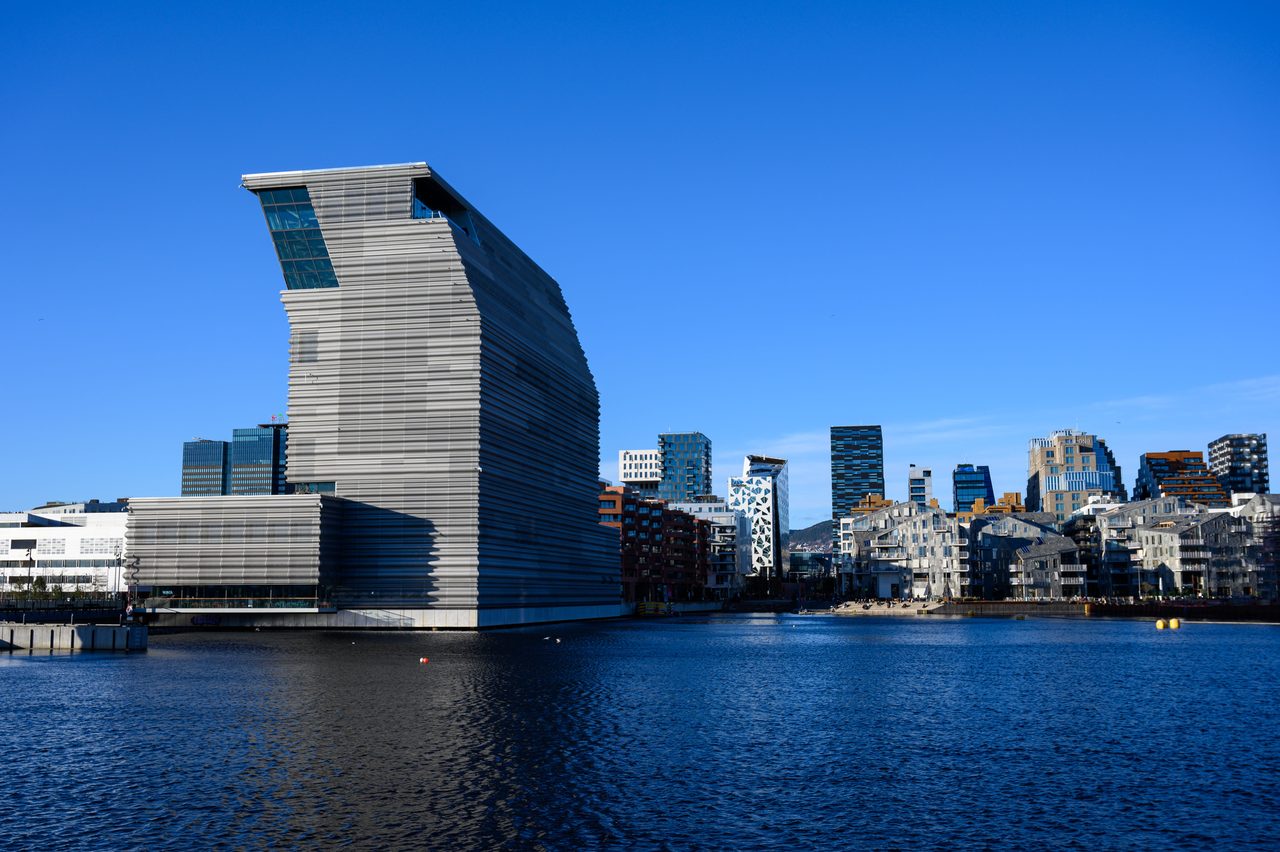
Oslo is the capital and largest city of Norway, situated at the head of the Oslofjord. A dynamic Scandinavian capital blending Viking heritage with state-of-the-art architecture, Oslo offers world-class museums, a vibrant waterfront, lush forests, and some of Europe's finest dining.
Oslo is Norway's vibrant capital, home to approximately 700,000 residents and situated at the inner end of the Oslofjord. The city combines a rich Viking history with innovative Scandinavian design, boasting world-class museums like the Munch Museum and the Viking Ship Museum, iconic landmarks such as the Oslo Opera House and Akershus Fortress, and stunning natural surroundings including the Oslomarka forest and the Oslo Fjord. The city is consistently ranked among the world's most liveable and sustainable cities.
The 26 destinations our editors recommend — from iconic landmarks to under-the-radar finds.
Vigeland Sculpture Park (Vigelandsparken)
The world's largest sculpture park created by a single artist, Gustav Vigeland, featuring over 200 sculptures in bronze, granite, and wrought iron. The iconic Monolith tower and the famous Angry Boy sculpture are highlights.
Oslo Opera House (Operahuset)
Norway's landmark contemporary building housing the Norwegian National Opera and Ballet. Its white Italian marble and granite exterior slopes into the Oslofjord, and visitors can walk on the roof for panoramic city views.
Munch Museum (MUNCH)
The world's largest collection of Edvard Munch's work, housed in a striking 13-story tower in Bjørvika. Features over 26,000 works including multiple versions of The Scream.
Akershus Fortress (Akershus Festning)
A medieval castle and fortress built around 1300 to protect Oslo. Houses the Norwegian Resistance Museum and offers commanding views over the Oslofjord.
Museum of the Viking Age (Vikingskipshuset)
Home to the world's best-preserved Viking ships dating from the 9th century, along with extraordinary Viking burial artefacts. The Oseberg and Gokstad ships are centrepieces.
Holmenkollen Ski Museum & Jump
The world's oldest ski museum and one of Norway's most visited attractions. The ski jump tower offers breathtaking panoramic views over Oslo and the Oslofjord from 417 meters above sea level.
Recommended itineraries
Pick a length, follow the route. Each itinerary balances headline sights with breathing room.
5-Day Oslo Explorer
Day 1Arrive in Oslo, explore city center
Day 2Visit top attractions and museums
Day 3Day trip to nearby highlights
Day 4Local markets and hidden gems
Day 5Final sightseeing, departure
7-Day Classic Oslo
Days 1-2Oslo city highlights
Days 3-4Regional exploration
Days 5-6Cultural immersion and local experiences
Day 7Return and departure
14-Day Ultimate Oslo
Days 1-3Oslo comprehensive city tour
Days 4-6Northern region exploration
Days 7-9Eastern highlights
Days 10-12Southern attractions
Days 13-14Return to Oslo, departure
Where to stay in Oslo
Three tiers, every traveller covered — from cost-conscious to flagship hotels.
Budget $50-100
Hostels, budget hotels, and guesthouses offer affordable stays without sacrificing experience.
Mid-range $100-200
Boutique hotels and well-located accommodations provide comfort and convenience at reasonable prices.
Luxury $300+
World-class resorts and premium hotels deliver unforgettable experiences.
The Thief
Tjuvholmen · 3500-6000 NOK/night (~$333-570)
Oslo's most design-forward luxury hotel on the island of Tjuvholmen, adjacent to the Astrup Fearnley Museum. Features bold art collection, rooftop pool, and stunning fjord views.
Oslo's most prestigious hotel, opened in 1874 on Karl Johans Gate. The traditional Grand Café is legendary, and the hotel has hosted Nobel Peace Prize laureates for over a century.
A stunning 5-star hotel in a restored 1930s Art Deco building in Frogner. Features the rooftop pool with city views, a copper-clad bar, restaurants, spa, and cinema.
A family-owned luxury hotel directly opposite the National Theatre, operating since 1900. Features the acclaimed Theatercaféen restaurant and an impressive private art collection.
Cafés, neighbourhood gems, and tasting menus worth the table reservation.
Maaemo
New Nordic · 4500-6000 NOK per person (~$428-570)
Oslo's three-Michelin-star restaurant serving a philosophy-driven tasting menu celebrating Norwegian nature and seasons. One of the world's top restaurants with ingredients sourced from pristine Norwegian landscapes.
Statholdergaarden
Modern Norwegian · 1500-2500 NOK per person (~$143-238)
Located in a 17th-century Baroque building in the city centre, this elegant restaurant has held a Michelin star for years. Celebrated for refined Norwegian cuisine with classical French influences.
Kontrast
New Nordic · 1800-2800 NOK per person (~$171-266)
A Michelin-starred restaurant in Grünerløkka focused on local, seasonal Norwegian produce. Chef Mikael Svensson's tasting menus showcase innovative Scandinavian cooking techniques.
Arakataka
Modern Scandinavian · 725-1200 NOK per person (~$69-114)
An acclaimed Oslo restaurant offering exceptional value tasting menus. The six-course menu at 925 NOK represents outstanding quality for the price in Oslo's dining scene.
Restaurant Eik
Modern Norwegian · 1200-2200 NOK per person (~$114-209)
An elegant restaurant in the Christiania Teater building offering modern Norwegian cuisine. Known for exceptional Norwegian seafood and game dishes with a refined wine list.
Theatercaféen
Norwegian & Continental · 600-1500 NOK per person (~$57-143)
Oslo's most celebrated grand café, open since 1900. The lavish Art Nouveau interior is a landmark in itself. Traditional Norwegian dishes alongside continental European classics in a theatrical setting.
Transportation options in Oslo include local buses, taxis, and rental cars. Check local conditions before planning your travel.
Budget breakdown
Daily spend by tier in USD, broken out by category.
Category
Budget
Mid-range
Luxury
Accommodation
$15-40
$50-120
$150+
Food (per day)
$10-25
$30-60
$80+
Transportation
$5-15
$20-50
$75+
Activities
$5-15
$20-50
$75+
Daily total
$50-100
$100-200
$300+
Best time to visit Oslo
Weather through the year in Norway
Best timeShoulderWorth avoiding
Average daytime temperature in °C. Figures are for Norway.
Essential travel tips
Research visa requirements before your trip
Learn a few basic phrases in the local language
Carry cash as cards may not be accepted everywhere
Respect local customs and dress codes
Purchase travel insurance before departure
Hidden gems
Off-the-beaten-path corners most travellers miss.
Kampen Wooden Houses
Colourful hilltop neighbourhood east of centre with beautiful old wooden houses
Gamle Aker Church
Oslo's oldest building (c.1080), a peaceful Romanesque church
Paradisbukta
Hidden Bygdøy cove beach, quieter than Huk
Safety information
INFO
Be aware of pickpockets in crowded areas, particularly Oslo Central Station (Oslo S), Karl Johans Gate, and busy tram and T-bane stops - keep wallets in front pockets or use a money belt
INFO
The Oslo S (Central Station) area has some street-level drug activity and homelessness - exercise normal awareness, it is not dangerous but can be unsettling
INFO
Keep an eye on your belongings at outdoor café tables, restaurants, and bars - bag theft from chair backs does occur
INFO
Do not leave valuables visible in parked cars - break-ins, while uncommon, do happen in busy tourist areas
INFO
Drink responsibly - alcohol is very expensive in bars and restaurants; excessive intoxication can make you vulnerable to theft
INFO
Tap water is safe and excellent quality throughout Oslo - drink it freely from any tap
INFO
Emergency services (police 112, ambulance 113, fire 110) are reliable and respond quickly throughout Oslo
INFO
Nature safety: if hiking in Oslomarka forest, tell someone your route, carry a map, and be aware of weather changes - hypothermia risk in winter even close to the city
INFO
During winter (November-March), black ice on pavements is a genuine hazard - wear footwear with good grip
INFO
Road crossing safety: Norwegians respect pedestrian crossings strictly - always cross at designated crossings and wait for the green light
INFO
Be cautious using ATMs at night, particularly at Oslo S - use ATMs in well-lit, busy locations or inside banks
INFO
The Grønland and Tøyen areas have a slightly higher incidence of petty crime than the rest of Oslo, but remain safe for tourists during the day
Frequently asked questions
Is Oslo safe to visit in 2026?
Oslo is one of the safest capital cities in the world. Norway consistently ranks among the world's top countries for safety, security, and quality of life. Violent crime is very rare, and the city is generally safe to walk at all hours. Visitors should still take normal urban precautions, particularly against petty theft in crowded areas. Emergency services: police at 112.
Do I need a visa to visit Oslo?
EU/EEA citizens do not need a visa. Citizens of many countries including the USA, Canada, Australia, UK, and Japan can visit visa-free for up to 90 days under the Schengen Agreement. Check Norwegian Directorate of Immigration for country-specific requirements. Requirements vary by nationality, so check with your nearest embassy or the official immigration website before traveling.
What currency is used in Oslo?
The currency in Oslo is the Norwegian Krone (NOK). ATMs are widely available in cities and tourist areas. Credit cards are accepted at most hotels and restaurants, but carry cash for markets and smaller establishments.
What language is spoken in Oslo?
The main language(s) spoken in Oslo: Norwegian (Bokmål), Norwegian (Nynorsk). In tourist areas, English is generally understood. Learning a few basic phrases in the local language is appreciated by locals.
What are the top attractions in Oslo?
The top attractions in Oslo include Vigeland Sculpture Park (Vigelandsparken), Oslo Opera House (Operahuset), Munch Museum (MUNCH), Akershus Fortress (Akershus Festning), and Museum of the Viking Age (Vikingskipshuset). Each offers a unique experience, from historic landmarks to natural wonders.
How do I get around Oslo?
Oslo has one of Europe's most efficient and comprehensive public transport systems, operated by Ruter. The network integrates T-bane (metro), trams, buses, and ferries on a single ticketing system. The city is also highly walkable in the centre and excellent for cycling.
Explore Oslo by city
The cities below have their own guides — hotels, attractions and where to eat, in depth.