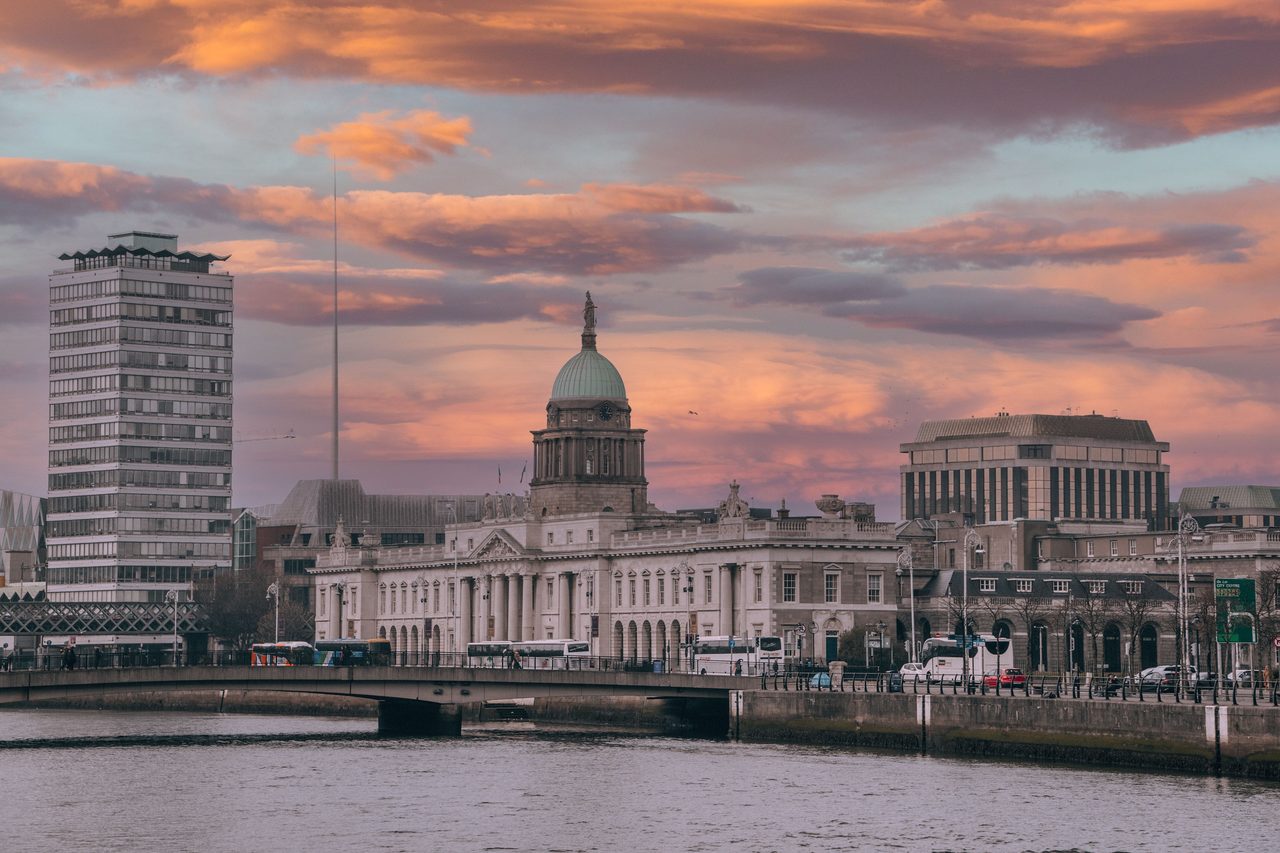
Ireland, the Emerald Isle, captivates visitors with its dramatic coastlines, ancient castles, vibrant cities, and legendary hospitality. From the rugged Cliffs of Moher to the lively pubs of Dublin, Ireland offers a perfect blend of natural beauty, rich history, and Celtic culture that enchants travelers year-round.
Ireland, the Emerald Isle, captivates visitors with its dramatic coastlines, ancient castles, vibrant cities, and legendary hospitality. From the rugged Cliffs of Moher to the lively pubs of Dublin, Ireland offers a perfect blend of natural beauty, rich history, and Celtic culture that enchants travelers year-round.
The 31 destinations our editors recommend — from iconic landmarks to under-the-radar finds.
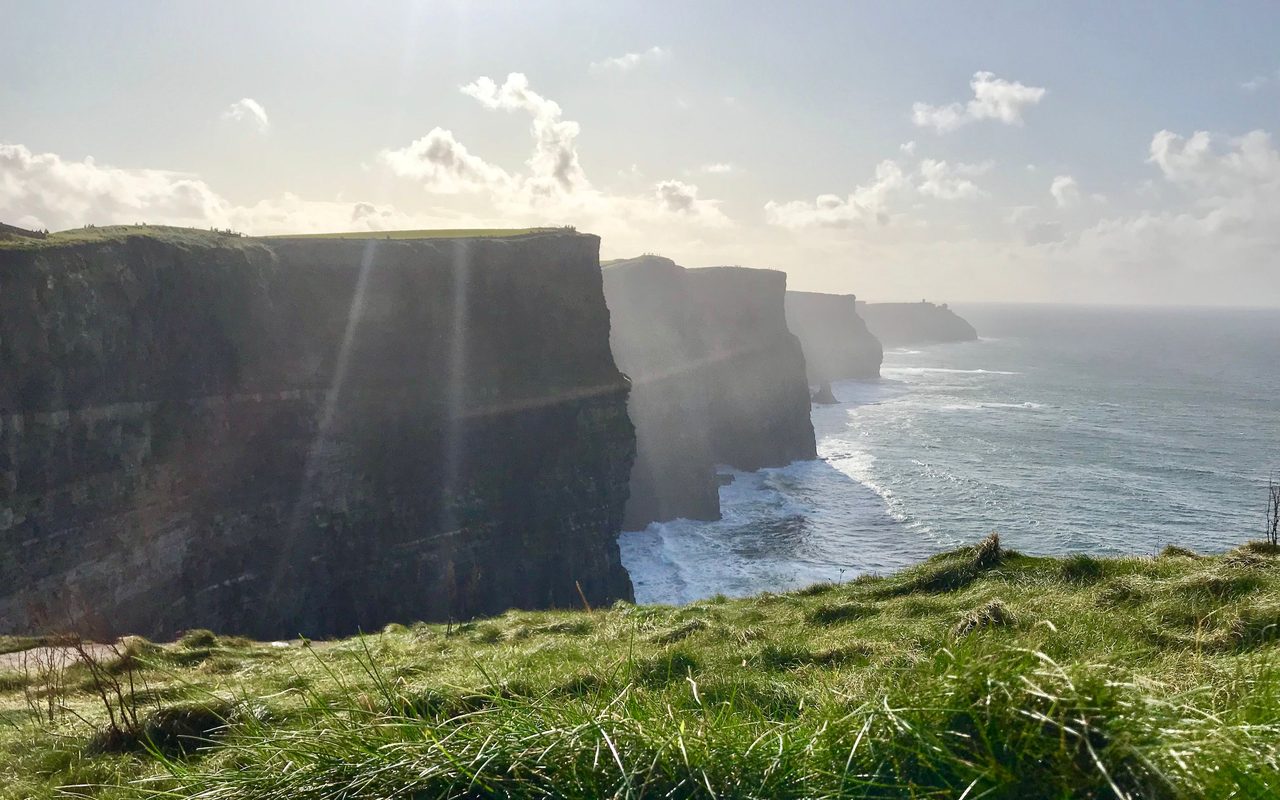
Cliffs of Moher
Ireland's most iconic natural wonder, these dramatic sea cliffs rise 214 meters above the Atlantic Ocean, stretching 8 kilometers along the coast. The visitor center offers exhibitions on the cliffs' geology, wildlife, and history, while walking trails provide breathtaking panoramic views.
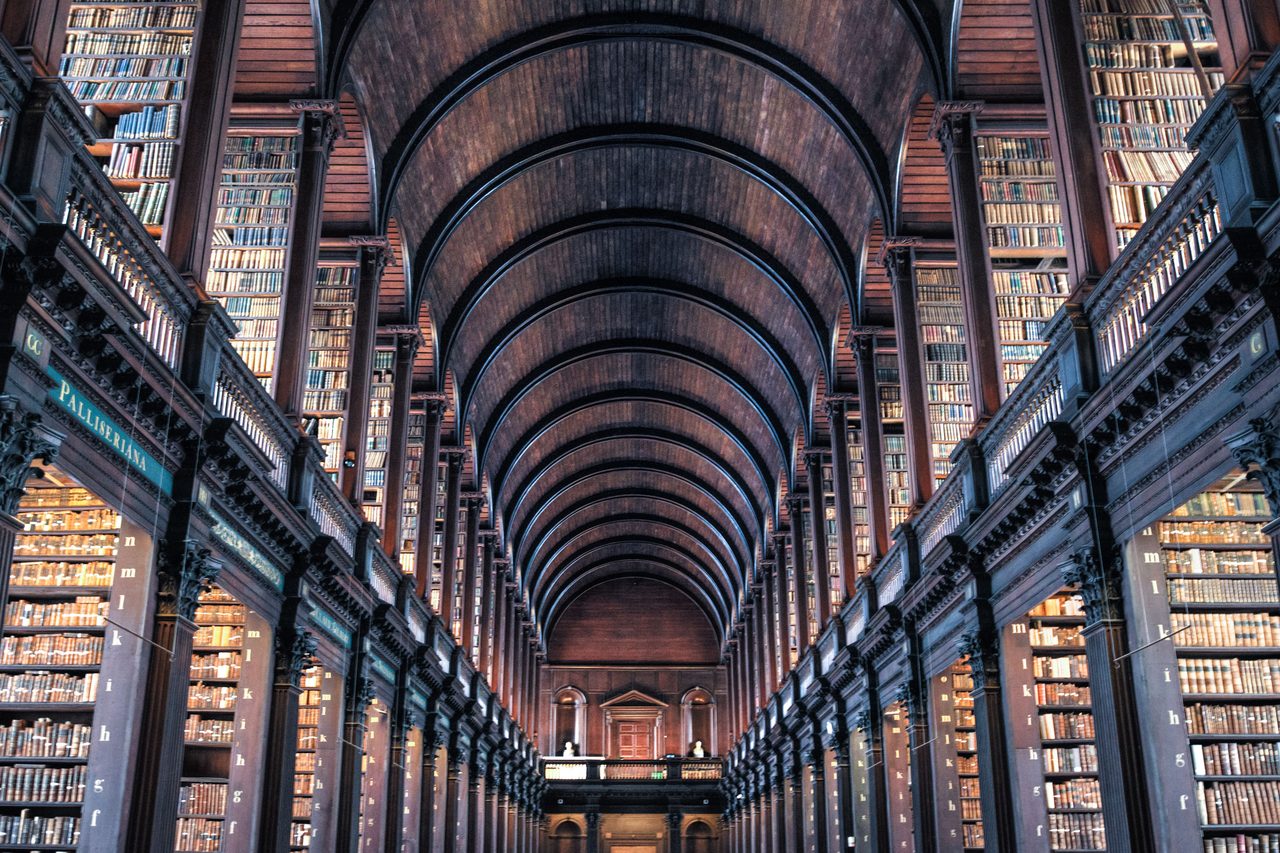
Trinity College & Book of Kells
Ireland's oldest university, founded in 1592, houses the stunning Long Room library and the 9th-century Book of Kells, an illuminated manuscript considered Ireland's greatest cultural treasure. The campus itself is an architectural masterpiece worth exploring.
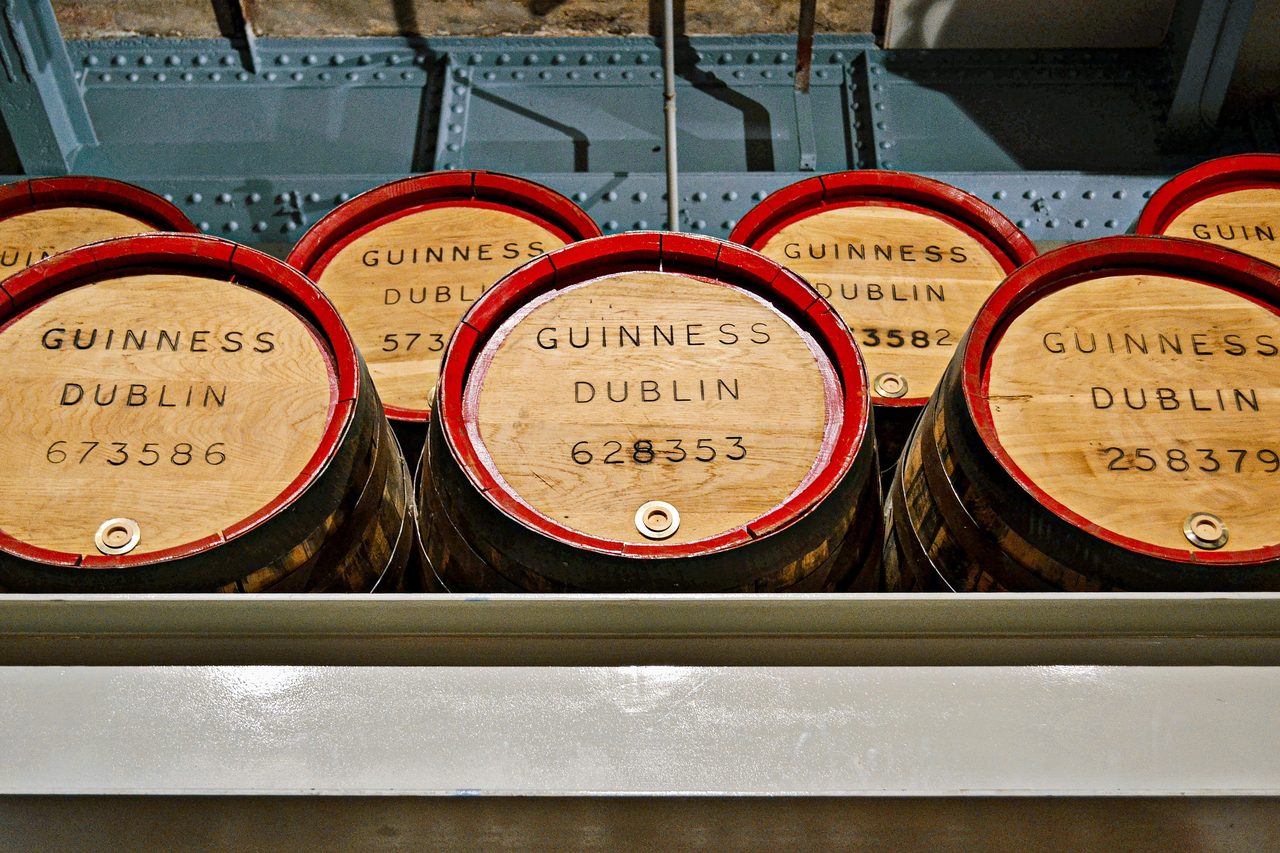
Guinness Storehouse
A seven-story experience at the heart of St. James's Gate Brewery, exploring the history, brewing process, and culture of Ireland's most famous export. The tour culminates in the Gravity Bar with 360-degree views of Dublin and a complimentary pint.
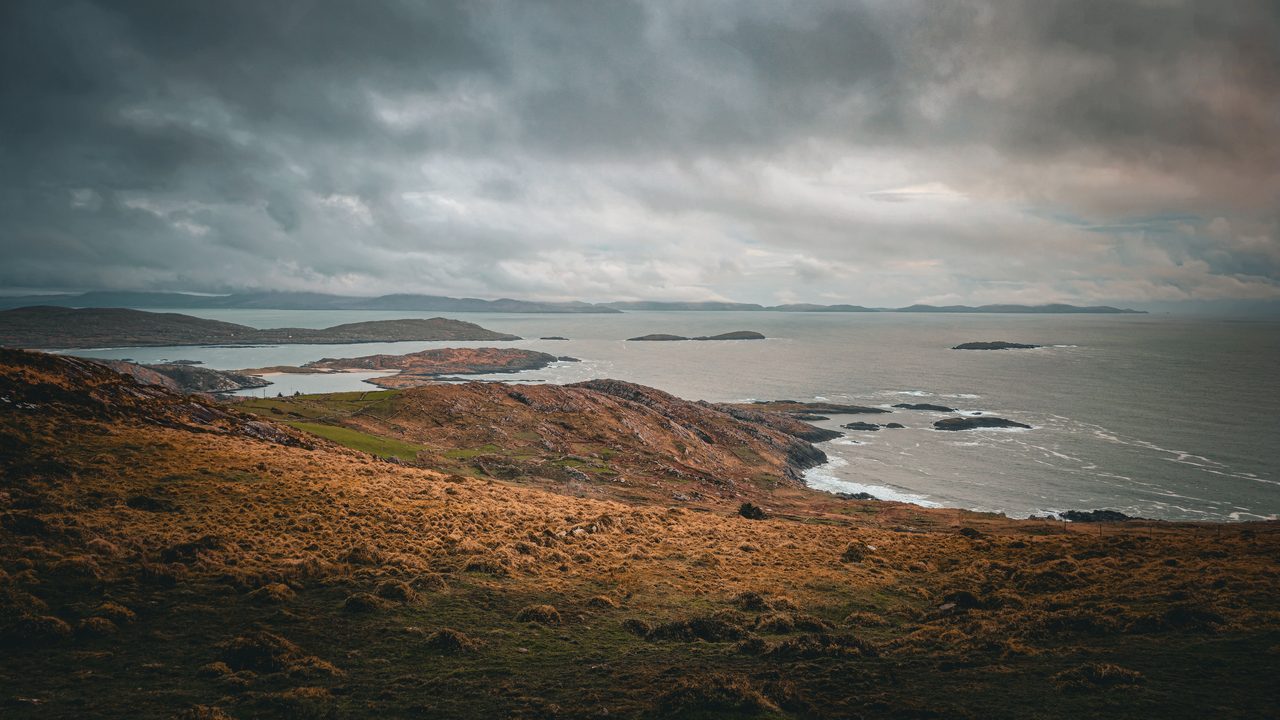
Ring of Kerry
A 179-kilometer scenic drive around the Iveragh Peninsula showcasing Ireland's most spectacular coastal and mountain landscapes. The route passes through charming villages, ancient forts, pristine beaches, and offers views of mountains, lakes, and the Atlantic Ocean.
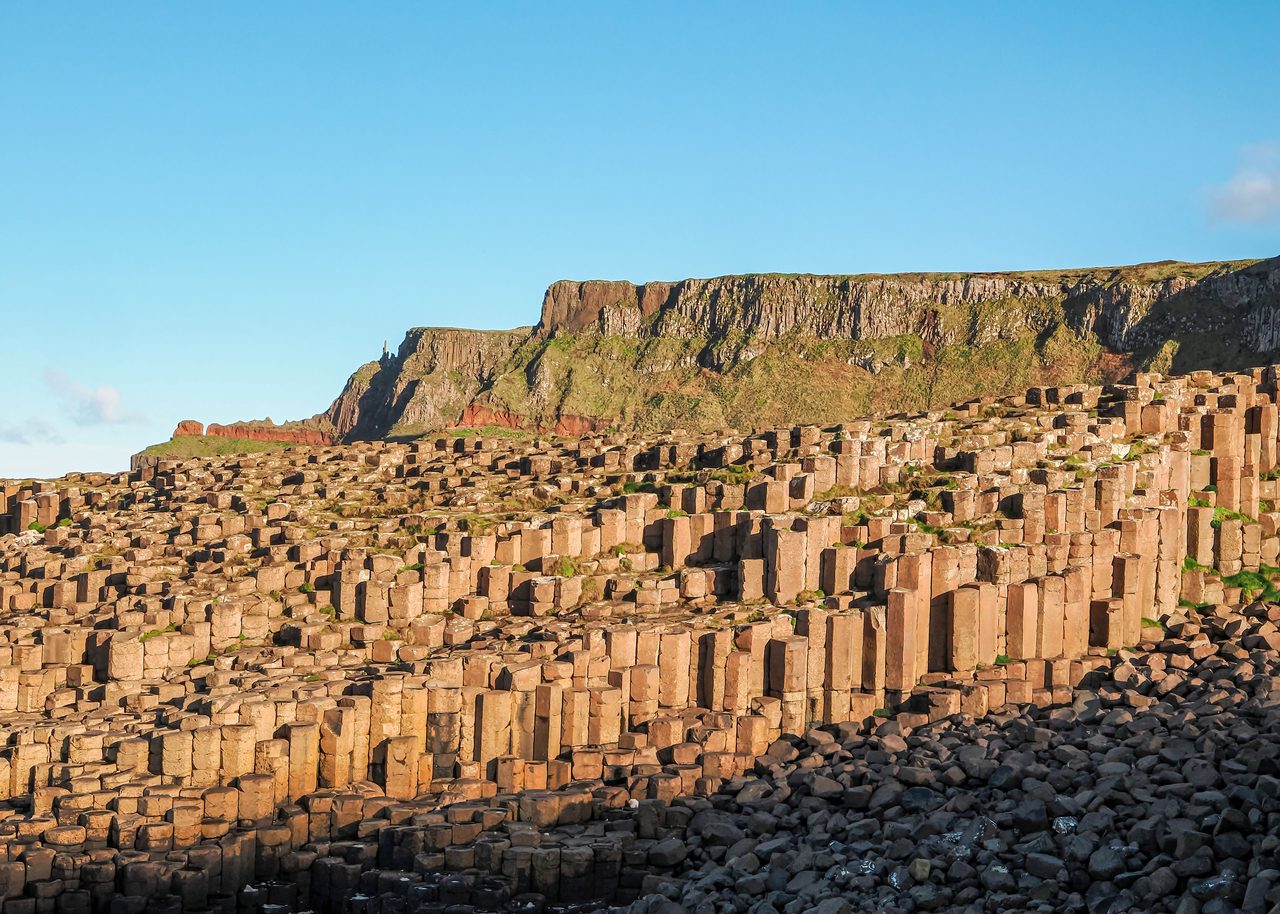
Giant's Causeway
A UNESCO World Heritage Site featuring approximately 40,000 interlocking basalt columns formed by volcanic activity 60 million years ago. This natural wonder on Northern Ireland's coast is steeped in mythology and offers dramatic coastal scenery.
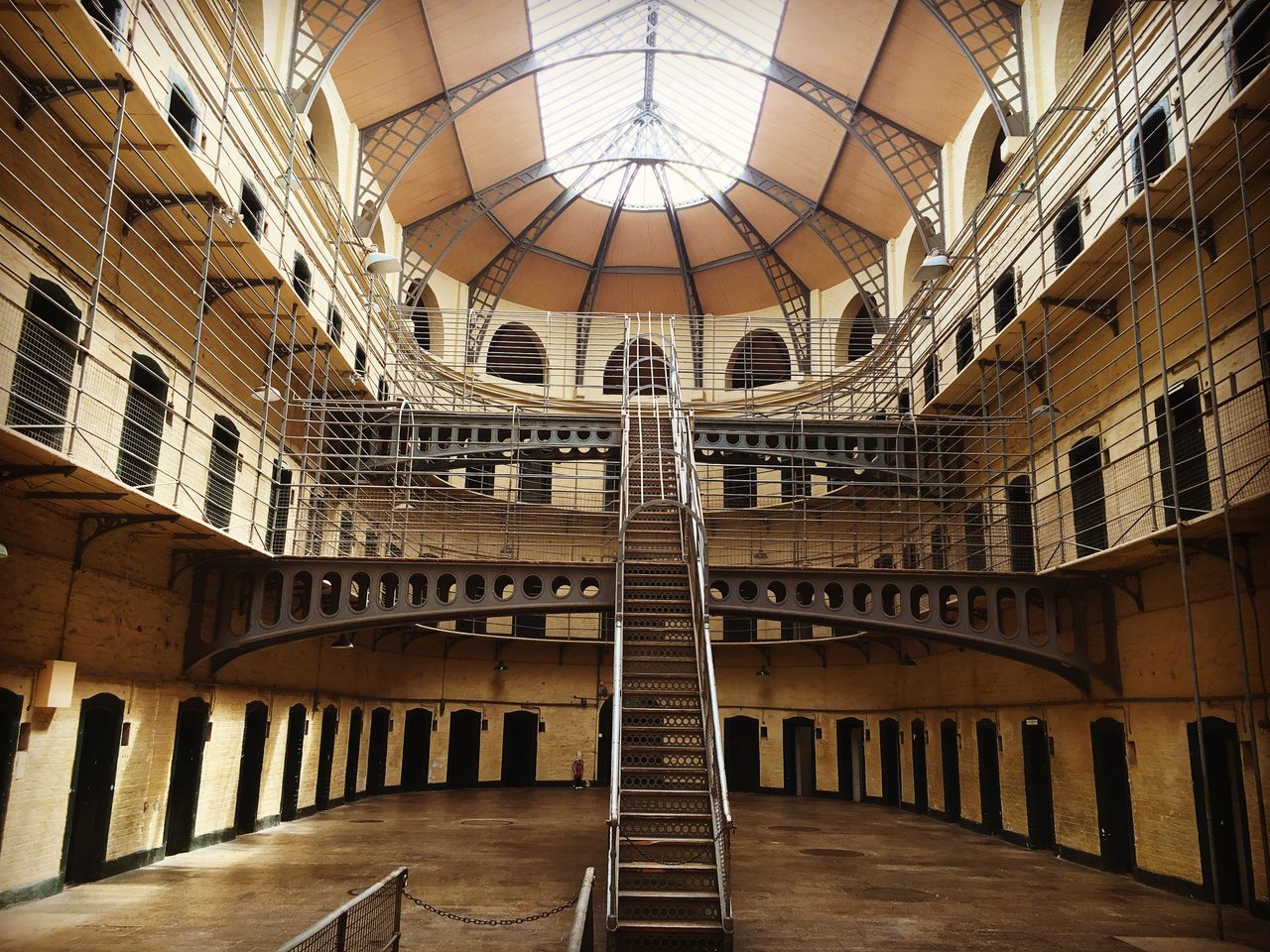
Kilmainham Gaol
A former prison turned museum that played a significant role in Irish history from 1796 to 1924. Leaders of Irish rebellions were imprisoned and executed here, making it a powerful symbol of Ireland's struggle for independence with compelling guided tours.
Recommended itineraries
Pick a length, follow the route. Each itinerary balances headline sights with breathing room.
5-Day Ireland Explorer
Day 1Arrive in Ireland, explore city center
Day 2Visit top attractions and museums
Day 3Day trip to nearby highlights
Day 4Local markets and hidden gems
Day 5Final sightseeing, departure
7-Day Classic Ireland
Days 1-2Ireland city highlights
Days 3-4Regional exploration
Days 5-6Cultural immersion and local experiences
Day 7Return and departure
14-Day Ultimate Ireland
Days 1-3Ireland comprehensive city tour
Days 4-6Northern region exploration
Days 7-9Eastern highlights
Days 10-12Southern attractions
Days 13-14Return to Ireland, departure
Where to stay in Ireland
Three tiers, every traveller covered — from cost-conscious to flagship hotels.
Budget $50-70
Hostels, budget hotels, and guesthouses offer affordable stays without sacrificing experience.
Mid-range $150-250
Boutique hotels and well-located accommodations provide comfort and convenience at reasonable prices.
Luxury $400-800+
World-class resorts and premium hotels deliver unforgettable experiences.
The Merrion Hotel
D02 XN29 · $400-$700
Dublin's most luxurious five-star hotel occupying four Georgian townhouses near Trinity College. Features elegant rooms with period furnishings, two Michelin-starred restaurants, a spa, and an impressive art collection throughout the property.
Centrally located near Trinity College, this elegant hotel combines historic bank buildings with modern amenities. Spacious rooms, excellent restaurant, and prime location make it ideal for exploring Dublin's attractions on foot.
A trendy hostel near Smithfield with both dorm beds and private rooms. Industrial-chic design, lively bar, common areas, and social atmosphere attract young travelers. Clean facilities and central location offer great value.
A magnificent 800-year-old castle on the shores of Lough Corrib offering the ultimate luxury Irish experience. This Forbes five-star property features opulent rooms, falconry, golf, fine dining, and extensive estate grounds perfect for exploring.
Cafés, neighbourhood gems, and tasting menus worth the table reservation.
Chapter One
Modern Irish · $$$$$
Michelin-starred restaurant in the basement of the Dublin Writers Museum serving innovative Irish cuisine with French influences. Chef Ross Lewis creates seasonal tasting menus showcasing the finest Irish ingredients in elegant surroundings.
The Winding Stair
Irish · $$$
Iconic Dublin restaurant above a bookshop overlooking the Ha'penny Bridge. Serving traditional Irish fare with modern touches using local, organic ingredients in a charming literary atmosphere with river views.
The Boxty House
Traditional Irish · $$
Temple Bar institution specializing in boxty, traditional Irish potato pancakes with various fillings. Warm atmosphere, friendly service, and authentic Irish comfort food make this a tourist favorite.
Temple Bar Food Market
Various · $
Saturday outdoor market in Meeting House Square offering international street food, fresh produce, and artisan goods. Vibrant atmosphere with food from around the world.
Brother Hubbard
Middle Eastern Cafe · $$
Popular Dublin cafe blending Irish hospitality with Middle Eastern flavors. Excellent brunch, specialty coffee, and innovative menu make this a local favorite worth queuing for.
Patrick Guilbaud
French · $$$$$
Ireland's only two-Michelin-starred restaurant offering classical French haute cuisine in the Merrion Hotel. Impeccable service, extensive wine list, and refined dishes make this Dublin's most prestigious dining experience.
$15-30 (public transport, occasional taxi, or car rental share)
$40-80 (rental car, taxis, private transfers)
Activities
$5-10 (free attractions, occasional paid site)
$20-40 (paid attractions, tours)
$50-100+ (premium tours, experiences, activities)
Daily total
$50-70
$150-250
$400-800+
Best time to visit Ireland
Weather through the year in Ireland
Best timeShoulderWorth avoiding
Average daytime temperature in °C. Figures are for Ireland.
Essential travel tips
Research visa requirements before your trip
Learn a few basic phrases in the local language
Carry cash as cards may not be accepted everywhere
Respect local customs and dress codes
Purchase travel insurance before departure
Hidden gems
Off-the-beaten-path corners most travellers miss.
Lough Key Forest Park
Mystical woodland park in Roscommon with tree canopy walk, Boda Borg adventure rooms, and fairy bridges. Beautiful lakeside setting perfect for families seeking off-beaten-path nature.
Garnish Island
Italianate garden on island in Bantry Bay, Cork, accessible by boat. Subtropical plants thrive in Gulf Stream microclimate, creating Mediterranean atmosphere with seal-watching en route.
Inishowen Peninsula
Donegal's hidden peninsula with Fort Dunree military museum, Gap of Mamore mountain pass, and stunning coastal scenery without the crowds. Wild Atlantic Way's quieter northern section.
Derrynane Beach
Kerry's secret beach with white sand, turquoise water, and Abbey Island accessible at low tide. Daniel O'Connell's ancestral home nearby. Stunning and surprisingly quiet.
Lough Gur
Magical lake in Limerick surrounded by Stone Age monuments, crannog, medieval castle, and stone circle. Archaeological wonderland with swimming and peaceful walks.
Malin Head
Ireland's most northerly point in Donegal with dramatic cliffs, WWII lookout post, and the spot where Star Wars: The Last Jedi was filmed
Achill Island
Ireland's largest island connected by bridge, featuring pristine beaches, abandoned village at Slievemore, and dramatic Croaghaun cliffs
Blasket Islands
Abandoned islands off Dingle Peninsula, once home to thriving Irish-speaking community
Hook Head Lighthouse
World's oldest operational lighthouse (800 years) on Wexford's Hook Peninsula
Safety information
INFO
Register with your embassy upon arrival; the US Embassy is in Ballsbridge, Dublin 4 (+353 1 668 8777).
INFO
Ireland is generally safe but petty theft and pickpocketing occur in Dublin city centre, Temple Bar, and around tourist attractions.
INFO
Keep valuables in hotel safes; do not leave bags unattended in pubs or restaurants.
INFO
Be cautious at ATMs at night, particularly around O'Connell Street and Temple Bar; always shield your PIN.
INFO
Irish roads are narrow especially in rural areas; drive on the left and reduce speed on country lanes.
INFO
Weather changes rapidly year-round; always carry a waterproof jacket and layers even in summer.
INFO
Drink spiking occurs in nightlife areas; never leave your drink unattended in bars or nightclubs.
INFO
Tap water is safe to drink throughout Ireland; bottled water is unnecessary.
INFO
EU citizens should carry a European Health Insurance Card (EHIC); non-EU visitors must have comprehensive travel insurance.
INFO
Emergency number is 112 or 999 for Garda (police), ambulance, and fire services.
INFO
Drug possession is illegal in Ireland; penalties are strict even for small amounts.
INFO
Along coastal cliffs such as the Cliffs of Moher and Slieve League, stay strictly on marked paths - many areas have no safety barriers.
INFO
Scams to watch for: fake charity collectors in Dublin city centre and unlicensed taxi touts outside airports.
INFO
Public transport is generally safe but can be rowdy late on Friday and Saturday nights.
INFO
Near the Northern Ireland border, be aware of regional sensitivities; avoid discussing The Troubles unsolicited.
Frequently asked questions
Is Ireland safe to visit in 2026?
Ireland is one of the safest countries in the world to visit, ranking in the top 10 of the Global Peace Index. Crime affecting tourists is almost entirely limited to petty theft in busy urban areas. Northern Ireland is similarly safe with the sectarian conflicts of the Troubles largely in the past. Emergency services: police at 112 or 999, medical at 112 or 999.
What is the best time to visit Ireland?
The best time to visit Ireland is June-August. Ireland has a temperate oceanic climate strongly influenced by the Atlantic Ocean, giving mild winters, cool summers, and rainfall spread throughout the year. The west coast, particularly Connacht and
Do I need a visa to visit Ireland?
No visa required for stays up to 90 days. Valid passport required until return date. Requirements vary by nationality, so check with your nearest embassy or the official immigration website before traveling.
What currency is used in Ireland?
The currency in Ireland is the Euro (EUR) (EUR). ATMs are widely available in cities and tourist areas. Credit cards are accepted at most hotels and restaurants, but carry cash for markets and smaller establishments.
What language is spoken in Ireland?
The main language(s) spoken in Ireland: English, Irish (Gaeilge). In tourist areas, English is generally understood. Learning a few basic phrases in the local language is appreciated by locals.
What are the top attractions in Ireland?
The top attractions in Ireland include Cliffs of Moher, Trinity College & Book of Kells, Guinness Storehouse, Ring of Kerry, and Giant's Causeway. Each offers a unique experience, from historic landmarks to natural wonders.
Explore Ireland by region
Each region has its own character — coastal, alpine, vineyard, capital. Pick a starting point.