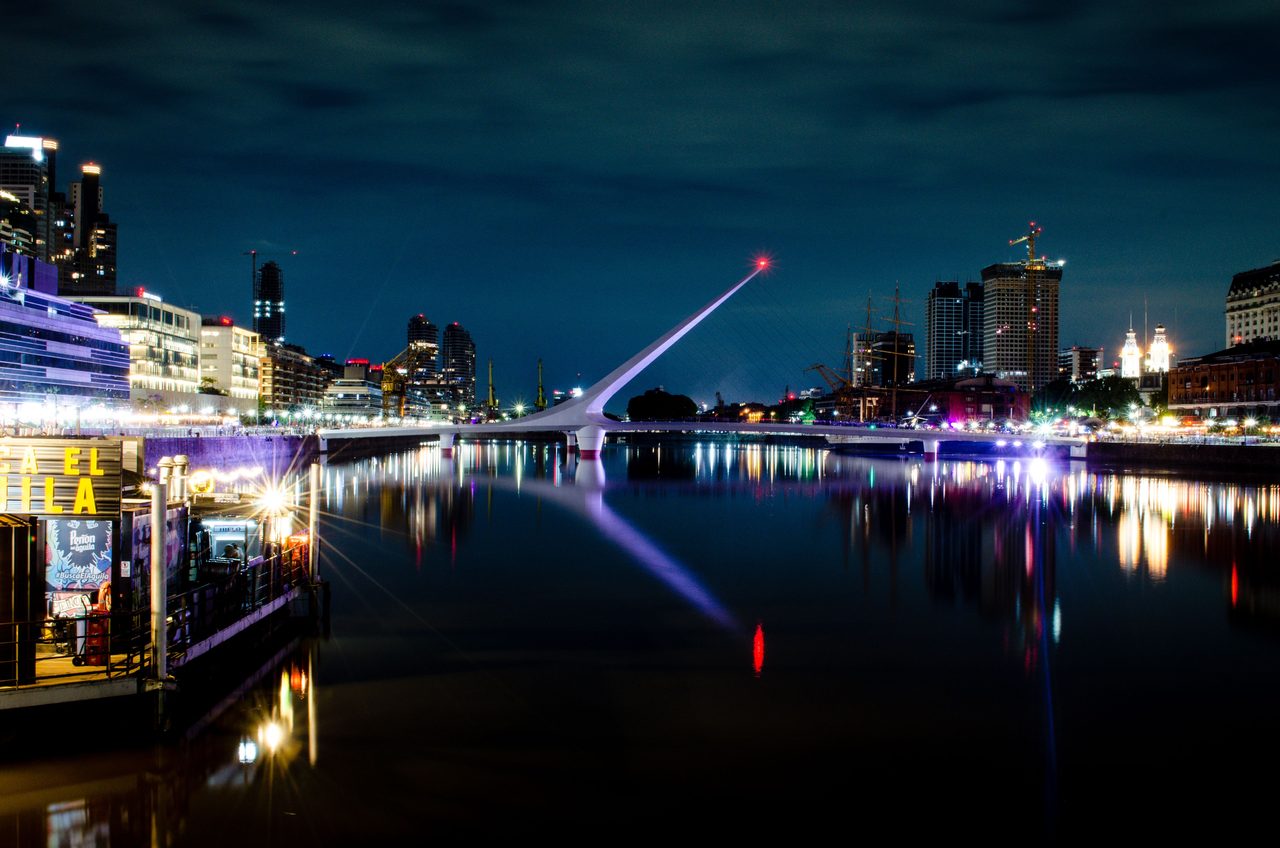
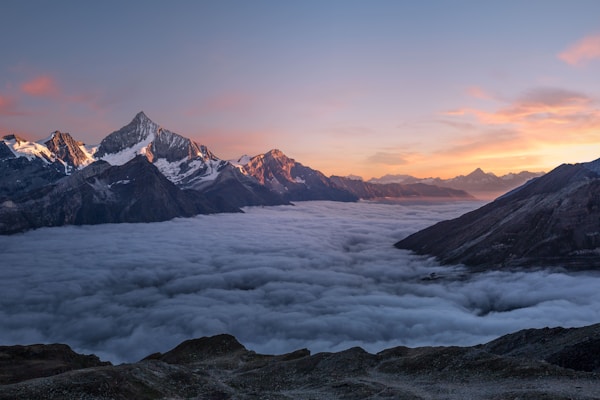
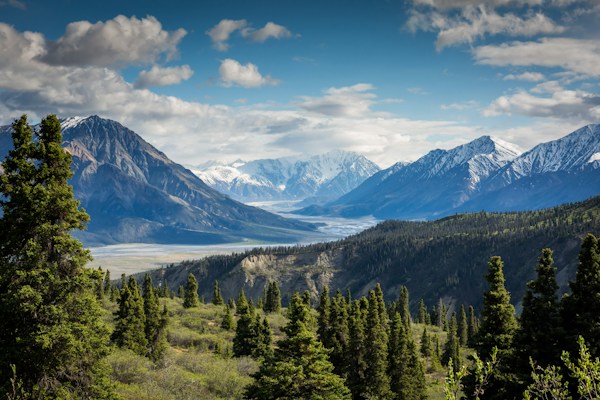
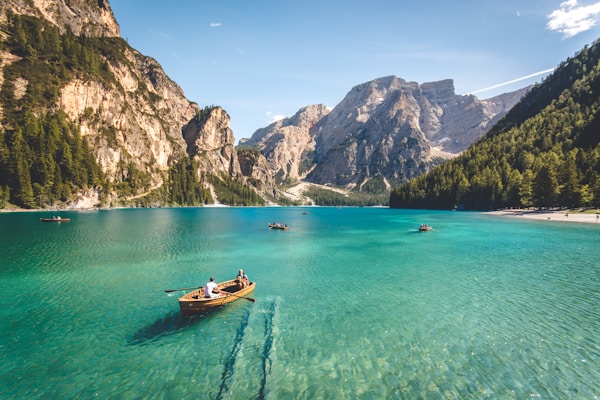
Buenos Aires Province is Argentina's most populous and economically significant province, stretching from the Rio de la Plata estuary to the Atlantic Ocean and the Pampas grasslands. Home to the provincial capital La Plata, the glamorous beach resort of Mar del Plata, the rolling Tandil hills, and the Sierra de la Ventana mountains, the province offers an extraordinary diversity of landscapes and experiences.
Buenos Aires Province is the heartland of Argentina, encompassing vast Pampas grasslands, an 1,800 km Atlantic coastline, the Ventana mountain range, and some of South America's most vibrant cities. La Plata, the planned provincial capital, features stunning neo-Gothic architecture and world-class museums, while Mar del Plata draws millions of Argentine vacationers to its famous beaches each summer. The province is the cradle of gaucho culture, and traditional estancias offer visitors an authentic taste of Argentina's pastoral heritage.
The 26 destinations our editors recommend — from iconic landmarks to under-the-radar finds.
Catedral de La Plata
One of the largest and most magnificent neo-Gothic cathedrals in the Americas, this architectural masterpiece was begun in 1884 and took over a century to complete. Its twin 120-metre towers dominate the La Plata skyline and the interior features stunning stained glass windows and intricate stonework.
Museo de Ciencias Naturales de La Plata
One of the most important natural history museums in Latin America, housed in a stunning Renaissance-style building set in Bosque de La Plata park. The museum holds world-class collections of fossils, including full dinosaur skeletons, as well as exhibits on Argentine wildlife and indigenous cultures.
Mar del Plata Beaches
Argentina's most celebrated beach resort stretches along 8 kilometres of Atlantic coastline, with a variety of beaches ranging from lively Playa Bristol and Playa Popular to the calmer Playa Grande and exclusive Playa Varese. The city draws over 7 million visitors each summer, making it one of South America's top resort destinations.
Sierra de la Ventana
The Ventana mountain range rises dramatically from the Pampas plains in southwestern Buenos Aires Province, offering spectacular hiking, rock climbing, and wildlife watching. The Parque Provincial Ernesto Tornquist protects the most scenic areas, including the famous Window Rock (La Ventana) arch and the Abra de la Ventana pass.
Tandil Hills and Cerro El Centinela
The ancient granite hills of Tandil offer a dramatic landscape of rounded boulders and rocky outcrops rising from the Pampas. Cerro El Centinela features a cable car, adventure activities, and sweeping views, while the famous Piedra Movediza (balancing rock replica) has become one of the city's most iconic images.
Pinamar
A sophisticated Atlantic beach resort set among fragrant pine forests planted in the 1940s, Pinamar is one of Argentina's most fashionable seaside destinations. The town features elegant boutiques, excellent restaurants, and a string of beautiful beaches backed by sand dunes and pine trees.
Recommended itineraries
Pick a length, follow the route. Each itinerary balances headline sights with breathing room.
5-Day Buenos Aires Explorer
Day 1Arrive in Buenos Aires, explore city center
Day 2Visit top attractions and museums
Day 3Day trip to nearby highlights
Day 4Local markets and hidden gems
Day 5Final sightseeing, departure
7-Day Classic Buenos Aires
Days 1-2Buenos Aires city highlights
Days 3-4Regional exploration
Days 5-6Cultural immersion and local experiences
Day 7Return and departure
14-Day Ultimate Buenos Aires
Days 1-3Buenos Aires comprehensive city tour
Days 4-6Northern region exploration
Days 7-9Eastern highlights
Days 10-12Southern attractions
Days 13-14Return to Buenos Aires, departure
Where to stay in Buenos Aires
Three tiers, every traveller covered — from cost-conscious to flagship hotels.
Budget $30
Hostels, budget hotels, and guesthouses offer affordable stays without sacrificing experience.
Mid-range $80
Boutique hotels and well-located accommodations provide comfort and convenience at reasonable prices.
Luxury $250
World-class resorts and premium hotels deliver unforgettable experiences.
NH Gran Hotel Provincial
Mar del Plata · $$$
An iconic Art Deco landmark on the Mar del Plata seafront, this historic hotel has welcomed Argentine presidents and celebrities since 1950. The hotel features a stunning oceanfront casino, multiple restaurants, a spa, and rooms with sweeping Atlantic views.
A premier five-star beach hotel in Mar del Plata offering elegant rooms with panoramic ocean views, a rooftop pool, and a world-class thalassotherapy spa. The hotel's location on Playa Grande puts guests steps from Mar del Plata's finest beach.
A modern international luxury hotel set in Mar del Plata's lively Playa Grande area, offering spacious rooms, an indoor pool, and conference facilities. The hotel's rooftop bar offers exceptional views over the Atlantic Ocean.
A beautiful beachfront hosteria set among the famous Pinamar pine forests, offering elegant rooms, a garden pool, and direct beach access. The property exudes the distinctive Pinamar charm with its wood-and-stone architecture surrounded by fragrant pines.
Cafés, neighbourhood gems, and tasting menus worth the table reservation.
La Marca Parrilla
Argentine Parrilla · $$$
One of Mar del Plata's most celebrated steakhouses, La Marca serves impeccably grilled Argentine beef in an elegant setting. The restaurant's open fire grill, extensive wine list, and professional service make it the top choice for a special asado experience.
Chichilo Mariscos
Seafood · $$$
A legendary Mar del Plata seafood restaurant with decades of history, Chichilo is the place to eat the city's finest fresh fish and shellfish. The cazuela de mariscos (seafood stew) and langostinos al ajillo are unmissable.
El Rincon del Gaucho
Argentine · $$
A classic parrilla in San Antonio de Areco serving traditional gaucho-style asado in a rustic estancia atmosphere. The wood-fired grill produces some of the most authentic open-fire roasted beef outside of a private estancia.
Resto La Anunciacion
Argentine Contemporary · $$$
A sophisticated restaurant in a beautifully restored colonial mansion in San Antonio de Areco, serving creative modern takes on traditional Argentine cuisine. The tasting menu featuring local Pampas ingredients is extraordinary.
Taberna Baska
Basque-Argentine · $$
A historic Mar del Plata institution founded by Basque immigrants, Taberna Baska serves a unique fusion of Basque and Argentine cooking that reflects the city's immigrant heritage. The kokotxas (salt cod cheeks) and txangurro (spider crab) are house specialties.
El Establo
Parrilla · $$
A beloved traditional parrilla in La Plata that has been feeding hungry university students, politicians, and working families since the 1960s. Known for its enormous portions, excellent value, and the best blood sausage (morcilla) in the province.
Well-connected by bus and train networks from Buenos Aires city; Route 2 highway is the main artery to the coast
Long-distance Bus
Extensive intercity bus network connecting all major towns
Cost: $5-20
Car
Recommended for exploring the Pampas and mountain areas
Cost: $40-80/day rental
Train
Roca line from Buenos Aires to La Plata and coastal towns
Cost: $2-8
Budget breakdown
Daily spend by tier in USD, broken out by category.
Category
Budget
Mid-range
Luxury
Accommodation
$15
$40
$150
Food (per day)
$8
$20
$60
Transportation
$4
$10
$25
Activities
$3
$10
$15
Daily total
$30
$80
$250
Best time to visit Buenos Aires
Weather through the year in Argentina
Best timeShoulderWorth avoiding
Average daytime temperature in °C. Figures are for Argentina.
Essential travel tips
Book beach accommodation months in advance for January
Learn basic Spanish phrases — English is less common outside main cities
Carry cash as ATMs can be unreliable in smaller towns
Rent a car to fully explore the Pampas and mountain regions
Hidden gems
Off-the-beaten-path corners most travellers miss.
Balneario Orense
A tiny, almost undiscovered beach village south of Necochea with dramatic coastal cliffs and wild Atlantic beaches.
Southern Buenos Aires Province coast
Estancia El Ombu de Areco
One of the most authentic gaucho estancias in the province, offering horseback riding, asado lunches and an overnight stay in 19th-century ranch buildings.
Near San Antonio de Areco
Claromeco
A quiet family beach resort where a river meets the sea, with excellent fishing and a relaxed pace completely unlike the busier resorts.
Buenos Aires Province Atlantic coast
Safety information
INFO
Keep valuables secure on crowded beaches — Playa Bristol and other popular Mar del Plata beaches attract pickpockets during peak season. Leave valuables at your hotel and only bring what you need to the beach. Use a waterproof pouch for essentials.
INFO
Be aware of rip currents on Atlantic beaches — The Atlantic coast of Buenos Aires Province has strong rip currents, especially at exposed beaches like Necochea and some sections of Mar del Plata. Only swim at beaches with lifeguards (bandera verde = safe; amarilla = caution; roja = no swimming). Never swim alone.
INFO
Use official taxis or ride-share apps — In Mar del Plata and La Plata, use radio taxis called from hotels or restaurants, or use Cabify or inDriver apps. Avoid unlicensed taxis (piratas) which may overcharge or pose safety risks.
INFO
Avoid displaying expensive electronics and jewelry — Walk with awareness in city centers, particularly in La Plata and Mar del Plata. Keep smartphones in your pocket rather than displayed in your hand. Avoid wearing expensive jewelry when exploring on foot.
INFO
Exercise caution in peripheral neighborhoods of La Plata and Mar del Plata — The main tourist areas and city centers are generally safe, but the outer suburbs and some industrial areas of these cities can have higher crime rates. Stick to central areas and ask locals or hotel staff which areas to avoid.
INFO
Be prepared for extreme summer heat and sun — Summer temperatures regularly exceed 35°C on the coast and in the interior Pampas. Use high-SPF sunscreen, drink plenty of water, and seek shade during the hottest hours (12PM-3PM). Heatstroke can be a real danger for children and elderly travelers.
INFO
Take care on rural roads and Route 2 in holiday season — Route 2 to Mar del Plata is notorious for accidents, particularly on Fridays and Sundays in January when millions of porteños travel to and from the coast. Avoid peak travel times, obey speed limits, and never drive while tired.
INFO
Carry a photocopy of your passport — Argentine law requires carrying ID at all times. Carry a photocopy of your passport rather than the original when sightseeing. Police may ask to see identification.
INFO
Check beach safety flags before entering the water — All beaches in Buenos Aires Province use a standardized flag system: green (safe), yellow (caution, swim near shore), and red (no swimming). Jellyfish blooms (aguavivas) are common in summer and can cause painful stings.
INFO
Be cautious when changing money — Use official casas de cambio or your bank card for currency exchange. Avoid street money changers (arbolitos) despite potentially better rates — scams and counterfeit bills are common. Be discreet after withdrawing cash from ATMs.
INFO
Register your accommodation with your consulate if on a long trip — For extended stays, register your trip with your home country's consulate in Buenos Aires city. Keep emergency consular contact information easily accessible.
INFO
Take hiking safety seriously in Sierra de la Ventana — The Parque Tornquist trails can be demanding and weather changes rapidly in the mountains. Always register your hike at the park entrance, carry water, wear appropriate footwear, and don't hike alone on longer trails. Inform your accommodation of your plans.
Frequently asked questions
Do I need a visa to visit Buenos Aires?
Entry requirements follow Argentina rules. Requirements vary by nationality, so check with your nearest embassy or the official immigration website before traveling.
What currency is used in Buenos Aires?
The currency in Buenos Aires is the Argentine Peso (ARS). ATMs are widely available in cities and tourist areas. Credit cards are accepted at most hotels and restaurants, but carry cash for markets and smaller establishments.
What language is spoken in Buenos Aires?
The main language(s) spoken in Buenos Aires: Spanish. In tourist areas, English is generally understood. Learning a few basic phrases in the local language is appreciated by locals.
What are the top attractions in Buenos Aires?
The top attractions in Buenos Aires include Catedral de La Plata, Museo de Ciencias Naturales de La Plata, Mar del Plata Beaches, Sierra de la Ventana, and Tandil Hills and Cerro El Centinela. Each offers a unique experience, from historic landmarks to natural wonders.